
Why You Should Create a Limited Menu for Your Restaurant

Why You Should Create a Limited Menu for Your Restaurant


Gina Lucia

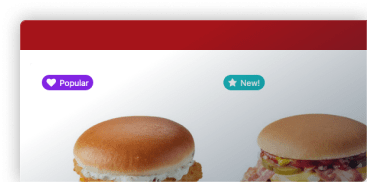
Want to learn and understand the benefits of creating a limited menu for your restaurant business? If yes, you’re in the right place.
Creating a limited menu lets you offer customers the best of the best dishes in your restaurant. The benefits that follow include streamlined operations, consistent quality, and a more focused dining experience for customers.
👋 In this guide, we’ll walk you through the benefits and strategies for creating a limited restaurant menu.
In this guide, we’ll cover:
- What is a limited menu (including the similarities and differences with a secret restaurant menu)?
- The benefits of offering a limited menu for a restaurant.
- Strategies for creating your own limited restaurant menu.
Let’s begin by understanding what a limited menu is in detail.
Get Your Restaurant Business Online With Orderable
Orderable is a user-friendly WordPress plugin that adds online ordering to your restaurant website.
Add your dishes, create your online ordering menu, customize your delivery schedule, and manage orders with ease.


What is a limited menu for restaurants?
A limited menu is a menu that contains fewer menu items than the traditional, extensive menu.
Generally, these menus focus on a specific type of cuisine, theme, signature dishes, seasonality, culinary concept, etc. This explains why they offer fewer choices.
For example, a limited menu can include profitable or best-selling dishes. The menu can be designed around a specific season, traditional cuisines like Italian and Chinese, or special occasions like holidays, anniversaries, etc.
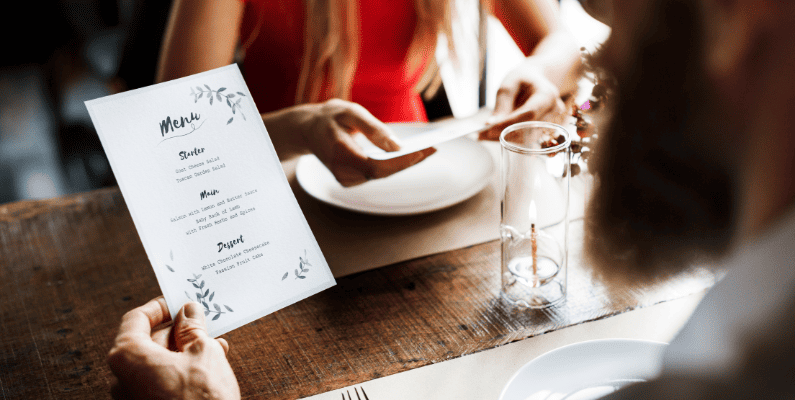
But there are other types of limited menus based on:
- Dietary restrictions or preferences: like vegetarian menus.
- Menu type: like a single-page menu or cycle menus that rotate regularly.
- Price or meal course: like a prix-fixe menu or a table d’Hote menu that often includes beverage pairings.
Restaurants use limited menus in various situations, such as busy periods, soft openings, grand openings, or other special events, with a specific goal in mind. For example, to streamline kitchen operations, ensure consistent food quality, or achieve other goals depending on your restaurant type.
Before we get into the benefits, how does it compare with a secret restaurant menu?

What is a secret restaurant menu?
A secret menu is an unadvertised food or beverage by a food establishment. It isn’t readily available to all customers, like a limited menu. And as the name suggests, you won’t see these items listed on a menu for the public to order. Only a select few, like regulars who follow your business closely, are aware and place orders.
Regulars can spread the word if their secret menu order is a hit and bring new friends over. This creates a wider circle of the secret-knowers.
Who’s doing it right?
One of the popular secret menus that did well is the McDonald’s BigMcChicken (Big Mac with chicken patties). The land, sea, air burger (beef, fish, and chicken patties) and the McGangBang (McDouble with a McChicken inside). Or Taco Bell’s ‘The Superman,’ a cheesy double beef burrito topped with extra potatoes, sour cream, guacamole, and crispy tortilla strips.
Anyways, the main purpose of a limited menu is to streamline operations and improve efficiency by focusing on specific cuisines, themes, etc. Secret menus focus more on whisper campaigns, generating buzz, exclusivity, and word-of-mouth marketing.
Secret menus are slightly less static than limited menus, which regularly change based on seasons, events, or special occasions like holidays.
How similar are limited and secret restaurant menus?
Both menus provide fewer choices. The limited menu offers a curated, public selection, while the secret menu includes unadvertised items.
Despite this difference, both types of menus focus on providing unique options that may not be available in a traditional menu format.
Overall, their goal is to enhance customer experience and create a sense of exclusivity and intrigue among customers. But the way they do so differs.
With all these in mind, why are smaller menus beneficial to a restaurant?

What are the benefits of offering a limited menu for a restaurant?
The principle behind a smaller menu is that sometimes, offering less is more. This is especially smart for new or small restaurants because starting out can be overwhelming.
You don’t need to offer everything under the sun, but focus on what you do well. It’s beneficial.
The following are some of the benefits you’ll reap by providing a limited menu:
Prevents decision fatigue
Think about it from the customer’s perspective. If a customer is handed a 10-page menu with 50 different dishes, they’ll spend more time figuring out what to eat than enjoying the dining experience. A smaller menu stops customers from having menu fatigue by giving them a few great choices.
📈 Remember that 85% of customers don’t know what they’re having for dinner until hours before mealtime. You can leverage this with a limited menu and help diners decide what to eat quickly.
This can be a great way to control the customer experience for a new restaurant — fewer choices mean quicker decisions and happier guests.
It increases your table turnover rate
Offering limiting menu options can also increase your table turnover rate since customers aren’t stuck on what to order. Smaller menus shorten the time customers spend ordering food at their tables.

A limited menu improves operational efficiency
Not every kitchen has the equipment, space, or to handle an extensive menu, even if they want to. Simplifying your menu can help ensure that the dishes you serve are ones that your kitchen can handle efficiently with less friction. With fewer dishes to prepare, things usually move faster, and there’s less room for mistakes.
This is particularly helpful for new or small restaurants with limited staff. A limited menu is easier to manage in these settings because the kitchen and staff are less overwhelmed with too many options.
Reduces food waste
The more dishes you offer, the more ingredients you need to stock, which can lead to waste if your dishes don’t sell quickly. A limited menu lets you focus on fewer ingredients that overlap. This allows restaurant management to rotate stock faster, reduce waste, and provide fresh, high-quality dishes.
In other words, a smaller menu streamlines inventory management. Better inventory management often results in lower food costs and higher profit margins. Read this guide on calculating food cost percentages for your menu.
📈 Studies show that operators who do weekly inventory turnover calculations add between 2% and 10% to their bottom line.
A limited menu helps control costs
Managing a limited menu also saves on other costs like storage, labor, equipment, supplies, and food inventory costs. These cost savings can significantly boost your bottom line by spending them on campaigns like marketing and promotions.
Generally, controlling these costs can impact your restaurant’s profitability positively.
High food quality control
With fewer menu items to prepare, chefs can focus on perfecting each dish and recipe. This includes sourcing higher-quality, fresh ingredients for consistent food quality. Developing signature dishes that can become your restaurant’s hallmark. Better menu descriptions, thematic cohesion, and more.
Customers can be easily drawn to dine with you again and again if you reflect this on your menu.
Creating a limited menu can help you gain clarity on your restaurant concept. It improves customer experience. It reflects your brand. The benefits of a smaller menu are endless.
Up next, we’ll walk you through strategies for creating a limited menu and reap even more benefits.
Strategies for creating your own limited restaurant menu
If you like the look of the benefits, then it might be worth creating your own limited restaurant menu. The following strategies can help.
1. Add your limited menu to an online ordering platform
Again, one of your biggest promotional pieces is the restaurant menu. If it’s online, it even becomes a huge deal.
📈 The American Diners Report said that 85% of diners look up a restaurant’s online menu before they can visit or even order.
Because of this, ensure that your limited menu is available on your website for online ordering.
Direct online ordering platforms like Orderable don’t only add a menu to your website. It also lets you create limited menus that can convince customers to easily browse and order their favorite dishes conveniently.

Why use the WordPress plugin Orderable?
Orderable adds a robust online ordering platform directly to your website. It includes a range of features required to help you manage all restaurant orders, local pickup, and delivery services.
But for customers to easily order from you, it provides ready-made menu designs that neatly organize your food items in a limited menu. The menu layouts are fully customizable with colors, fonts, high-quality food images, menu descriptions, prices, add-ons, allergen & nutritional info, dietary and promotional labels like limited-time offers, etc.
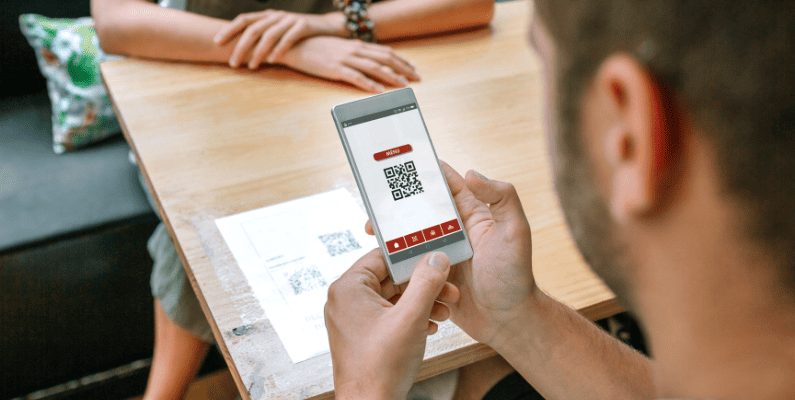
Instead of printing new menus, Orderable lets you make this newly-created menu available on your tables also using QR codes.
Customers can scan these QR codes with their smartphones to pull up the menu, select and customize their order, and pay.
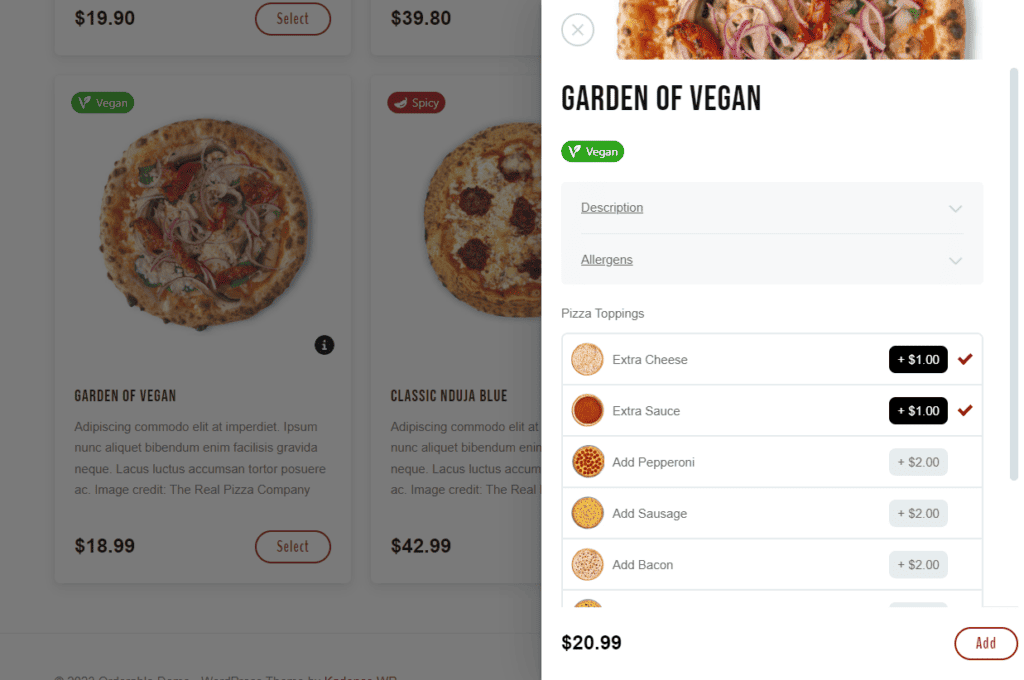
The benefits of using Orderable for your limited menu
The following are the benefits of using Orderable to create and add limited menus to your restaurant website:
- Easy menu management. Orderable allows you to easily create, modify, and manage a limited menu. Like adjusting accurate item descriptions, prices, and availability as needed.
- The menus are optimized for online ordering. It lets you create clear and concise online menus that reduce decision fatigue and increase the likelihood of impulse orders.
- Real-time menu updates. You can instantly update your menu on the website in real-time. This is particularly useful for limited menus, where items may change frequently due to availability, seasonality, or promotions. The changes reflect instantly.
- Fully customizable menu design. You can tailor the look and feel of your limited menu to fit your restaurant’s branding with colors, fonts, etc.
- Mobile-friendly interface. The menus have an easy-to-use app-like design to make the ordering experience a breeze for mobile devices.
- Increase your average order value. With Orderable, you can boost your food sales with upselling and cross-selling features like order bumps, tip prompts at checkout, and product add-ons.

Overall, Orderable seamlessly integrates with WordPress websites. It adds a limited menu to your existing WordPress site without extensive technical setup or coding experience.
2. Focus on signature dishes
If your restaurant has signature dishes, make them the highlight of your menu.
Signature dishes are typically the dishes your dining establishment is known for. They reflect your brand identity and culinary style and keep customers coming back for more. These dishes can be your best sellers, the most profitable menu items, or some of your most creative creations.
Strategically place these items in positions customers look at first, such as the top, center, or end of each section.
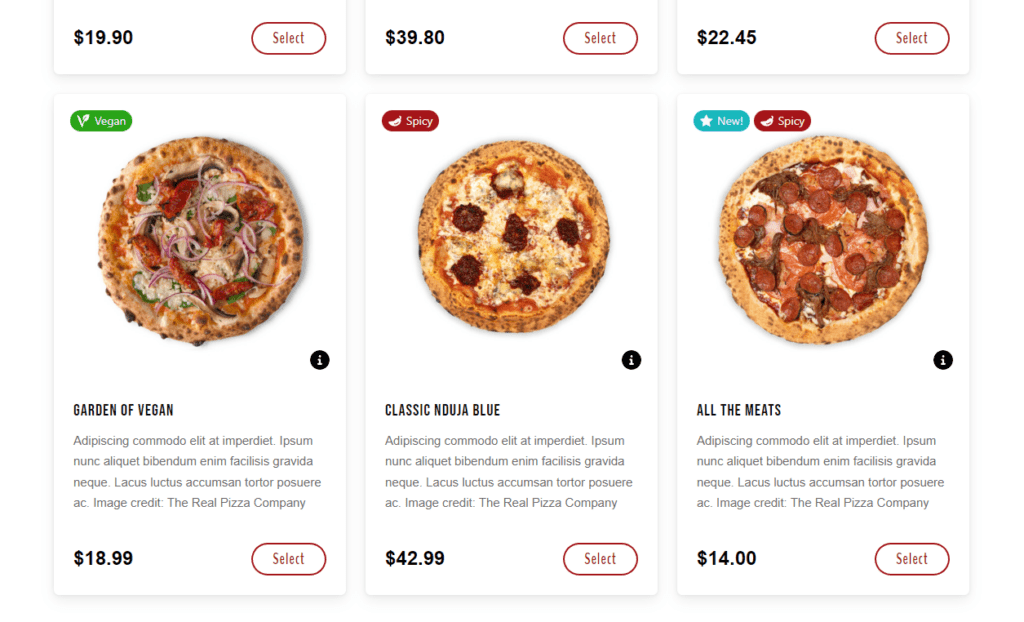
How Orderable brings focus to your signature dishes
Orderable allows you to identify and highlight these dishes with product labels like chef’s specials, best-selling dishes, etc. Use simple menu descriptions of the ingredients to share with customers what they are ordering and what they expect to receive.
Note: Use simple explanations like Free Range Chicken Breast with Lemon, Capers & Artichoke. Say what the dish is, where it comes from, or how it was raised, and bullet point the stronger flavors in the dish.
💡 Check out this guide of 10 small restaurant menu items to add this year.
Narrowing down to signature items generally helps you build a reputation around core offerings that customers can associate with.
Get Your Restaurant Business Online With Orderable
Orderable is a user-friendly WordPress plugin that adds online ordering to your restaurant website.
Add your dishes, create your online ordering menu, customize your delivery schedule, and manage orders with ease.
3. Leverage ingredients that overlap
Overlapping ingredients can be used in multiple dishes across a menu. Select menu items with common ingredients and significantly reduce the variety of products you need to stock.
These ingredients let you streamline your inventory management and operations by:
- Reducing waste. Since the same ingredients are used in different dishes, it minimizes leftovers and spoilage.
- Simplifying prep. Fewer ingredients mean your kitchen staff can work more efficiently. This speeds up service and ensures consistency.
- Lowering costs. You can buy key ingredients in bulk and save on purchasing and storage.
- Maintaining variety. Even with a limited menu, customers still see different options without feeling restricted.
Essentially, by focusing on ingredients that overlap, you can offer a focused, high-quality menu while keeping operations lean and efficient.

4. Consider seasonality when planning your limited menu
This involves using locally sourced food ingredients that are currently in season. They tend to be fresher, tastier, and often more affordable.
So, incorporate them in your seasonal menu design to showcase the best of the season’s ingredients. Then, create a captivating theme around it. Consider the flavors, colors, and traditions associated with the current season.
The theme should reflect the essence of the season and serve as a creative inspiration for your menu items, from appetizers to desserts. But keep the menu concise.
- Gather inspiration from various sources, such as cookbooks, food magazines, and culinary trends. Attend food festivals. Explore local markets.
- Rotate dishes periodically based on what’s in season to offer new and interesting options.
- Don’t overhaul the entire menu. Consider keeping your most successful dishes on the menu year-round.
Most importantly, don’t forget to promote your seasonal menu every time you roll it out.
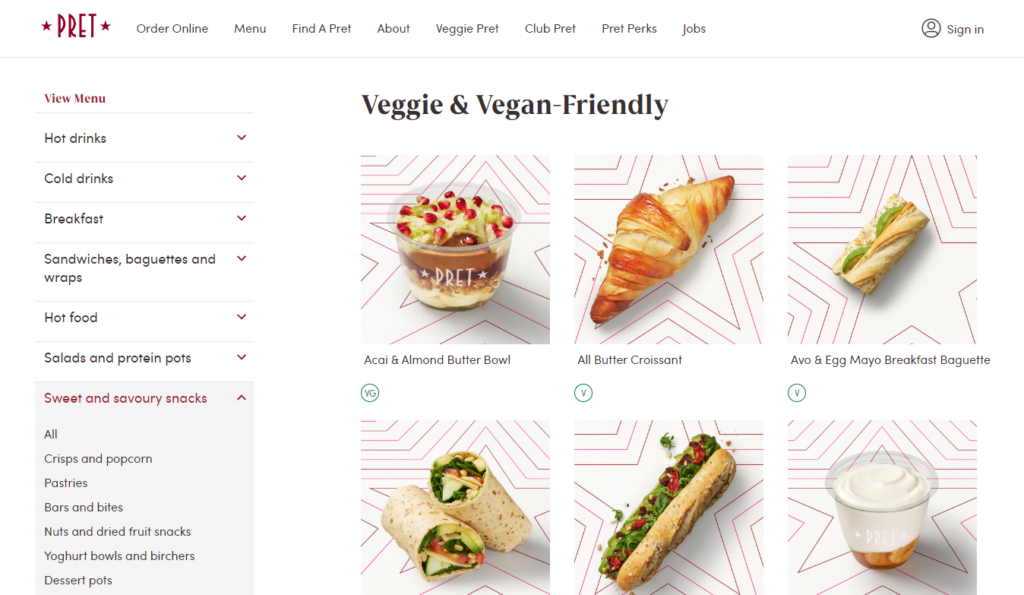
5. Maintain balance
Maintaining balance in a limited menu means you can still offer variety and cater to the different tastes and dietary preferences of the guests.
This balance involves:
- Variety of options. Offering dishes for different food courses or categories, such as appetizers, main courses, sides, and desserts, while keeping the choices focused.
- Accommodating dietary considerations. Including options for various dietary preferences, like vegetarian, vegan, gluten-free, or kid-friendly dishes, to ensure that different customer needs are met.
- Unique flavor profiles. Providing a range of flavors, textures, colors, cooking styles, and temperatures of your dishes. For example, you can pair a crunchy salad with a creamy soup, a hot entree with a cold dessert, or a bright fruit with dark chocolate. Balancing the flavors will help you create a menu that is diverse and delicious.
Why should you maintain balance in a limited menu?
The goal is to attract a diverse clientele and enhance the dining experience. Generally, a successful restaurant knows what its guests want in order to create an inclusive but small menu. One that doesn’t overwhelm the kitchen either.
Note: So, before you can create a balanced limited menu, know your audience first. Who are you catering to? What are their expectations, preferences, and restrictions? You can use surveys, RSVPs, or feedback forms to gather this information beforehand.

6. Test new dishes through specials
This is a low-risk way to try out new ideas, see how customers respond to new flavors/ingredients, and make adjustments based on what customers like.
Instead of permanently adding a new item to the menu, test it out first. Introduce new dishes as specials or limited-time offers to create excitement and urgency among customers. Then, collect feedback using comment cards left on tables, direct conversations, or online surveys for guests to share their thoughts.
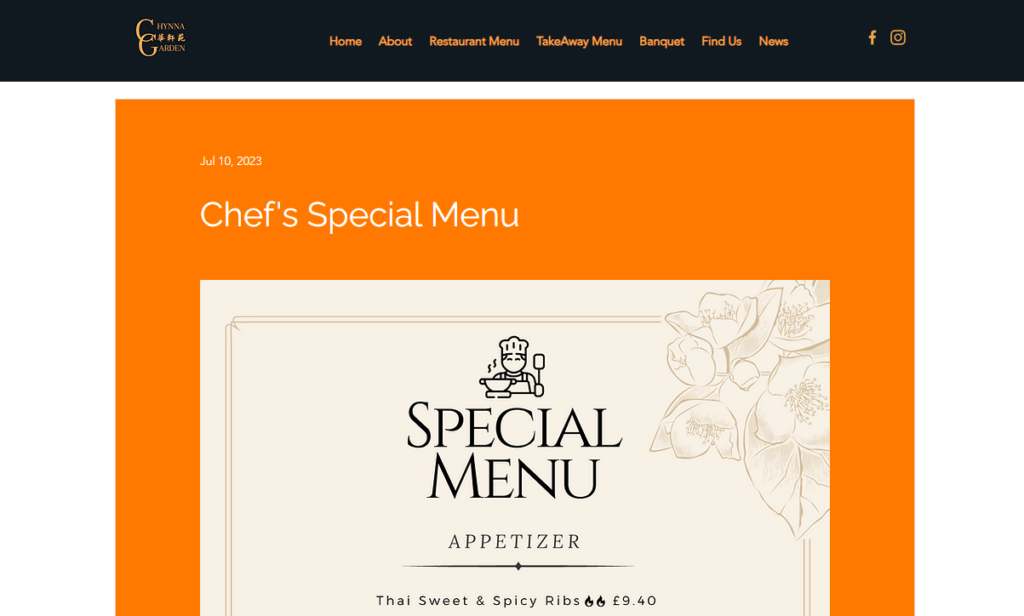
From this feedback, you can quickly gauge customer interest in the dish before committing to small menu changes. Basically, if the special dish is well-received, it might earn a spot on the menu. Less popular or underperforming items can be rotated out of your core menu offerings.
The feedback you’ve gathered can also help you refine components like the recipe, presentation, or the pricing of the new dish.
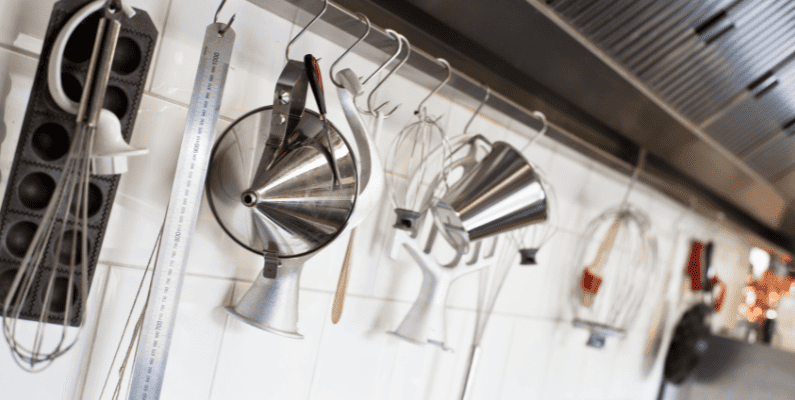
7. Streamline kitchen processes
The limited menu should have simple dishes that are easy to prepare and can be made quickly in the kitchen. This will make the kitchen more efficient, particularly during busy periods or peak hours.
When the menu includes easy-to-execute items, the kitchen staff can also work more cohesively and with less pressure. Consequently, there will be fewer mistakes and delays in serving the food.
For instance, when the team is working on multiple orders at a go, having dishes that follow consistent and simple preparation methods allows for quicker turnaround times. This not only ensures that customers get their meals faster, but it also improves overall customer satisfaction.
Avoid complex dishes
It’s also important to avoid overly complex dishes that require specialized equipment or lengthy prep times. Complex recipes can disrupt the flow of the kitchen, as they often demand more attention and resources. This can slow down the service. At the same time, it increases operational costs due to additional labor, ingredients, and potential waste.

8. Price strategically
When pricing your menu, set prices that reflect the value of your dishes while ensuring profitability. Setting prices that reflect value involves considering factors like your food costs, overhead expenses, cost of ingredients, direct costs, profit margins, preparation times, etc.
Of course, if a dish is made with high-quality ingredients and finesse, it’s reasonable to charge more because customers perceive greater value. However, consider your target market when it comes to pricing items.
Do they live in a high-income area? Or do most of your customers come from a budget-conscious neighborhood?
Be flexible with your pricing
But to play safe, offer a range of price points to accommodate different budgets. For example, include some affordable dishes, such as simple appetizers or quick bites. It lets budget-conscious diners enjoy your restaurant without overspending.
At the same time, they feature higher-end offerings, like gourmet entrees or premium desserts. It gives those customers who are willing to spend more an opportunity to indulge in a more upscale dining experience.

9. Use menu engineering
This technique allows you to identify and categorize which dishes contribute most to profit and which sell well, are less popular, or are more costly. After that, you can decide what to promote, modify, or even remove from the menu.
For example, if you have a dish that’s inexpensive to make but highly popular with customers, you should promote it more prominently. Conversely, items that are costly to prepare and don’t sell well may need adjusting or replacing.
In addition, use visual cues like highlighting or placing boxes around certain dishes to draw customers’ attention to the items you want to promote. These cues make it easier for customers to spot these choices – or direct diners to your most profitable menu options.
📈 In short, menu engineering ensures that even with a limited menu, you maximize both customer satisfaction and restaurant profitability. It can help you grow your sales by up to 15%.
Get to grips with limited restaurant menus today
So there we have it. The benefits of a limited menu to a restaurant plus the strategies of creating your own.
If you’re running a restaurant, it’s time to fully understand and effectively implement the concept of limited menus in your restaurant. By focusing on fewer, high-quality dishes, you’ll not only make things easier in the kitchen but also create a better dining experience for your customers.
Streamlined menus cut down costs, improve operational efficiency, and allow you to deliver top-notch food consistently. It’s a strategy worth mastering to stay competitive in the restaurant industry and be profitable.
And when you’re ready to simplify the online side of things, Orderable is the plugin you need.
It adds a robust online ordering system to help you manage orders via a customizable online menu optimized for taking orders easily.
Get Your Restaurant Business Online With Orderable
Orderable is a user-friendly WordPress plugin that adds online ordering to your restaurant website.
Add your dishes, create your online ordering menu, customize your delivery schedule, and manage orders with ease.
Gina Lucia is our in-house Content Manager at Orderable. She writes articles, user guides, technical documentation, and creates videos on everything WooCommerce and Orderable.
Gina has been working in the WordPress/WooCommerce space since 2012 when she developed WordPress websites for clients large and small.
For the past 8 years, she’s been writing about everything WordPress and WooCommerce, becoming an expert in what makes a WooCommerce store succeed.
When not writing, Gina loves to tend to her vegetable garden, read, or travel to mainland Europe.
Don’t miss out on the latest Orderable news!
Sign up for our newsletter to receive the latest news from the blog, you’ll get pinged every week with a digest of the latest updates.
[fluentform id=”6″]

Related Articles
Why You Should Use a WordPress Food Ordering Plugin for Your Restaurant
Local Restaurant Marketing: 8 Tips and Strategies

Online Food Ordering Trends to Watch in 2026
Get Your Restaurant Online With Orderable
The WooCommerce plugin designed to help restaurants take orders online – with no added fees!
View Pricing