
What is a Soft Opening for a Restaurant? (2026 Guide)

What is a Soft Opening for a Restaurant? (2026 Guide)


Gina Lucia

Want to know what a soft opening for a restaurant is and see if it’s the best way to open your new restaurant location this year? This guide is here to help.
👋 A soft opening prepares you for a successful grand opening of your new business location before settling into normal restaurant operations. In this article, we’ll walk you through everything you need to know about a soft opening and some tips on how to put one together.
We’ll cover the following:
- What a soft opening means (what it involves and how long it lasts).
- The benefits of a soft opening to a new restaurant business.
- Tips for putting together a soft opening for your restaurant business.
Let’s start from the ground up by defining a soft opening.
Get Your Restaurant Business Online With Orderable
Orderable is a user-friendly WordPress plugin that adds online ordering to your restaurant website.
Add your dishes, create your online ordering menu, customize your delivery schedule, and manage orders with ease.


What does soft opening mean?
What is a soft opening for a restaurant?
A soft opening is a trial run where a restaurant opens to a limited group of guests before its official launch. It allows the team to test food prep, service flow, equipment, and customer experience in a lower-pressure environment.
This soft launch may happen days, weeks, or even a month before the official opening date depending on the type of restaurant and its goals.
During this time, you can invite specific guests to experience and provide constructive feedback on the food, service, and atmosphere. It’s an opportunity for the restaurant management to check if all operations, from the back-of-house to the front-of-house, are running smoothly.

Of course, issues can arise during this process. For example, issues with slow service, mistakes in orders, or problems with your equipment. This is the time to iron out any operational wrinkles before the big day arrives.
But what does a soft opening in a restaurant really entail? Let’s break down this basic description further for additional context.
Free Download: Restaurant Business Plan Template
Want to start your restaurant business without jumping through heardles? Our free restaurant business plan template will walk you through the steps.

What does a restaurant’s soft opening involve?
What happens during a restaurant soft opening?
A restaurant soft opening typically includes four key elements: a limited audience, a controlled environment, operational testing, and feedback collection. Each of these plays a role in helping the business prepare for a successful full launch.

1. Limited audience
Often, a soft opening is an invitation-only event. It is limited to a select group of people rather than opening your doors to the general public.
The guest list usually includes restaurant owners and staff’s friends and family to dine at the restaurant. It is also open to local business owners, influencers, media representatives, and more. These people can get your restaurant’s name out there by word of mouth or through their social media platforms.
In addition, the crowd size is controlled to keep the soft opening event manageable. It isn’t widely advertised to the general public, so marketing is slightly reduced. Yes, you can reach out to local influencers and media, for example, to gain access to some of their local fan base. That’s a form of marketing.
However, the main goal is for the staff to focus on refining the dining experience rather than marketing.
This brings us to the next attribute of soft launch – operating in a controlled environment.

2. Controlled environment
The environment in a soft opening is slightly controlled but enough to simulate normal food business operations. Aside from its limited guest list, the restaurant operates with a limited menu, hours, etc.
Limited hours of operation
The restaurant may open only for a few hours a day. This could mean opening only for dinner service or a few hours during lunchtime. Some restaurants may operate on selected days of the week.
This controlled environment allows your staff to get comfortable with their new roles like food prep and serving customers, testing out the kitchen equipment, and identifying issues.
Note: Limiting the hours of operation can be a good option for restaurants that want to test their operations with a larger crowd but still maintain some control over the flow of customers.
Offer a simplified menu
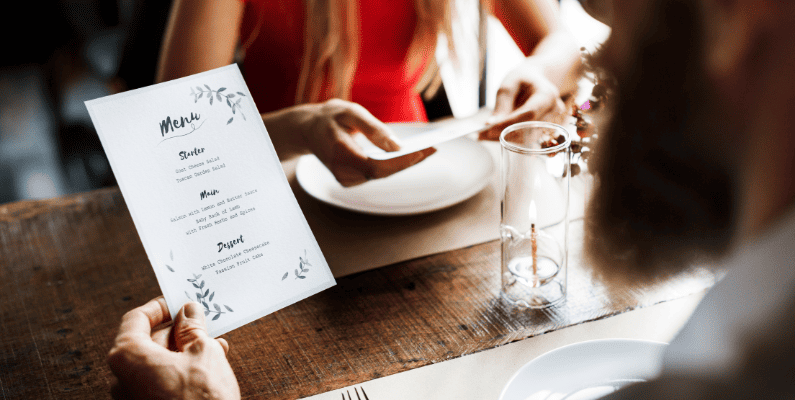
This limited menu typically features signature dishes. You can adapt this menu to include family-friendly options, accommodate dietary restrictions, and a few crowd-pleasers like grilled chicken, pasta dishes, burgers, etc. Generally, you decide what will be on the menu throughout the soft opening.
A simplified menu also allows the kitchen staff to focus on consistently and efficiently executing a smaller number of dishes. The front-of-house staff can also use this opportunity to practice their service flow, test the POS system, and familiarize themselves with the full menu again.

3. Operational testing
Operating with a guest list, limited menu, hours, etc, puts your staff to the test. Employees can use this opportunity to train themselves, practice their roles, and refine their skills in a real-world setting.
By the time you’re ready to launch, everyone will be comfortable with the restaurant operations, solving problems, and how to coordinate with one another in-house.
Whether it’s the kitchen staff perfecting food prep and timing or servers mastering the menu and effective table management. Most importantly, this hands-on experience is essential for building confidence before the official opening date.

Conduct critical system checks
A soft opening allows you to test and adjust all the equipment, processes, and workflows required to run daily restaurant operations smoothly.
For instance, let’s assume you’re soft opening a new restaurant branch very soon. One of the system checks could be to test if the current ordering system manages orders efficiently for this new location.
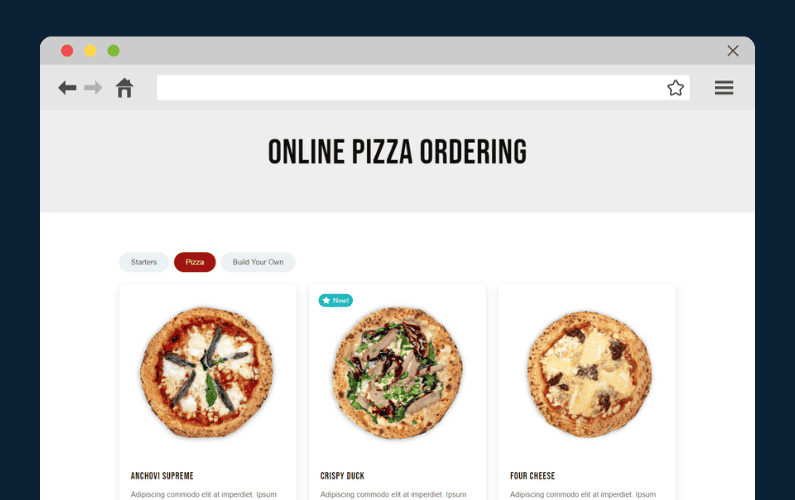
The WordPress plugin Orderable is the best tool for easily managing restaurant orders. It keeps your online ordering system simple by adding your new restaurant to a website.
What is Orderable?
What is Orderable?
Orderable is a WordPress plugin that lets restaurants set up commission-free online ordering. It supports table ordering, pickup and delivery, location selection, order customization, and more, without relying on third-party platforms.
This system allows customers to place orders through your website or directly from their tables. Orderable also lets you add a new restaurant location to the ordering system. So you can easily manage restaurant orders and customize delivery/pickup services for the new location from one website.
The following are some key Orderable features to test after soft opening a new restaurant and adding it to this plugin.

How to use Orderable during your restaurant’s soft opening
When soft launching your new restaurant, Orderable can help you streamline operations and gather accurate performance data.
Here’s how:
- Enable online ordering
Let guests place pickup or delivery orders directly on your website, no third-party fees. - Coordinate takeout and delivery
Set custom delivery and pickup hours. Test how your kitchen handles concurrent dine-in and delivery orders.
- Set up QR code table ordering
Add QR codes to each table so customers can order without waiting for a server. Orders are automatically assigned to the correct table.

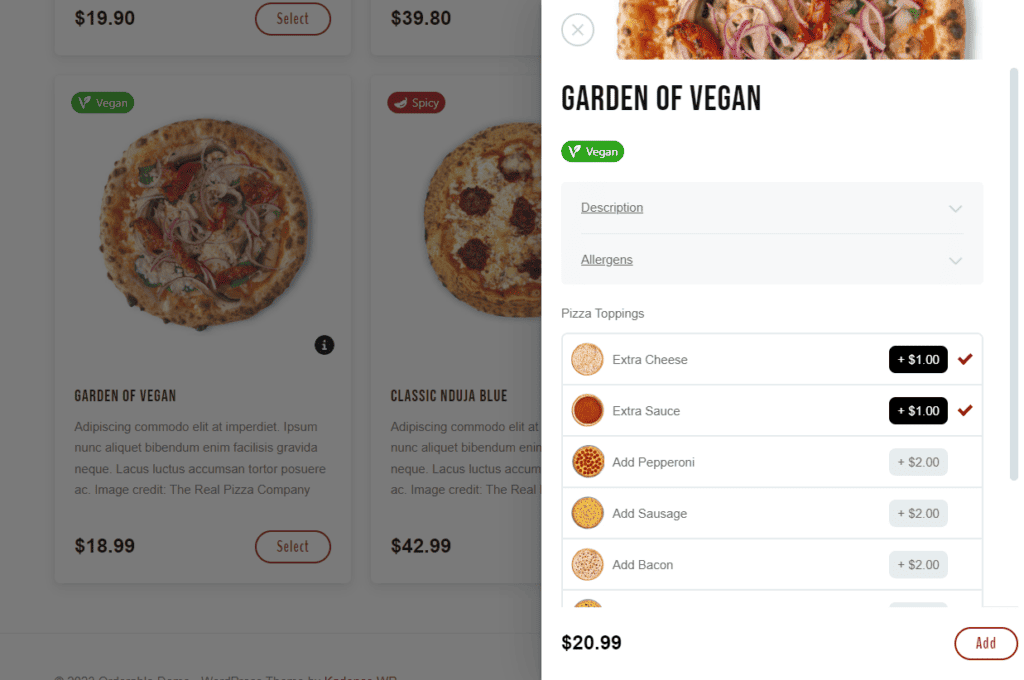
- Test order customization
Let guests customize dishes with toppings or sides. Show allergen and nutritional info as part of the experience. - Monitor live orders in the kitchen
Use the Orderable live order screen to track and manage real-time kitchen activity.

- Process payments seamlessly
Accept card, mobile, or cash payments using WooCommerce’s built-in integrations. - Customize delivery options per location
Set different hours, rules, and service areas for each new branch from one dashboard. - Allow customers to find nearby locations
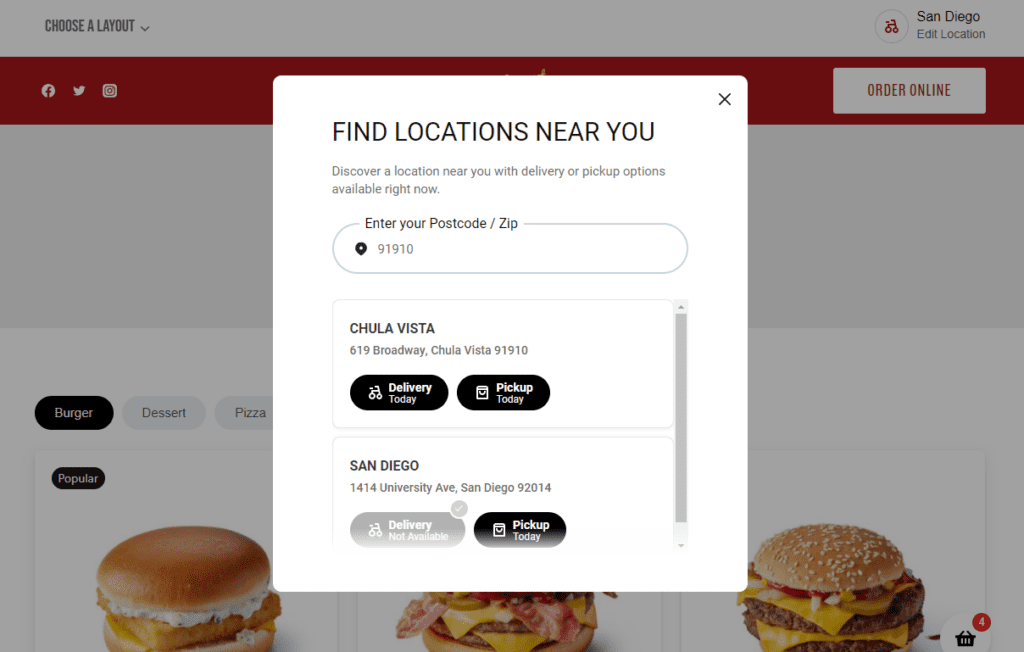
Use Orderable’s postcode-based location picker to help guests find and order from their closest location.
4. Feedback collection
Guests at a soft opening know they are part of a trial run. You can treat them to a sneak peek of exclusive restaurant dining, and in return, they can provide valuable feedback on the food, service, and overall experience.
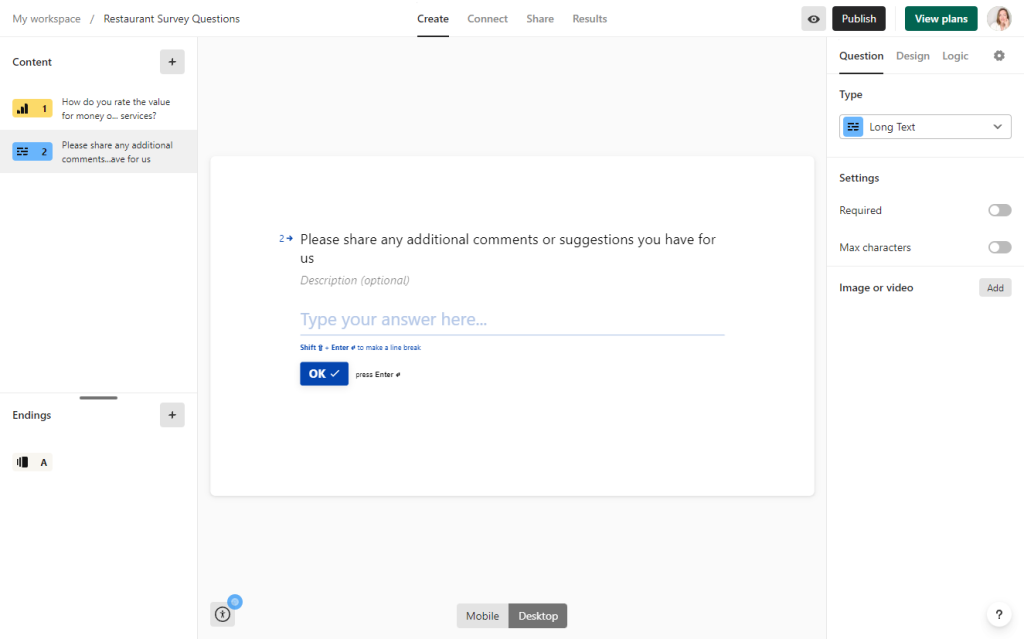
Use comment cards, questionnaires, or online restaurant surveys to collect feedback from your guests. Or hold informal discussions. This kind of customer feedback is invaluable in identifying areas for improvement and refining your kitchen operations based on what customers want to see. Besides, if your eye misses something out of place, they can point it out.
Not to mention, your employees can also share their insights on operational challenges and areas for improvement. This is also their chance to train themselves to collect verbal feedback and observe guest’s reactions.
We still haven’t touched on one critical aspect of a soft opening: how long should they run?

How long do soft openings last?
A soft launch is usually set with an official opening date in mind. It can last a single night, a few days, weeks, or even months. Typically, the length of a soft opening event depends on various factors. For instance, it depends on your budgeting, business size, complexity of operations, staff training needs, etc.
Hosting a single-night soft launch can be more affordable and create a lively atmosphere by bringing many people to your restaurant. However, collecting enough feedback in such a short time is challenging.
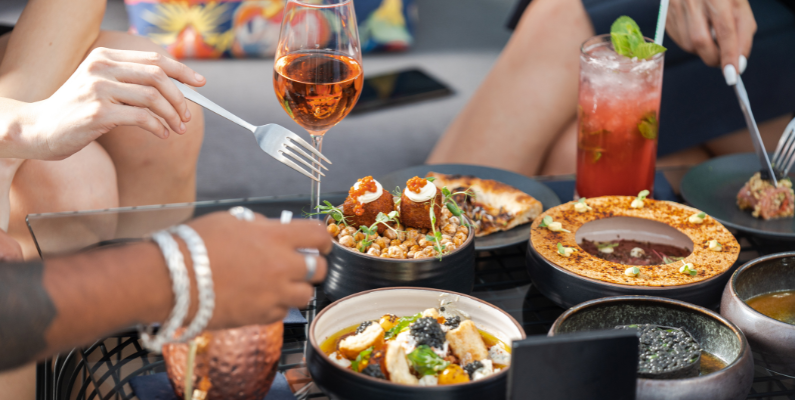
If you want useful feedback, you can extend the duration of your soft opening as follows:
- Short-term. This duration lasts only a few days, often spanning a weekend. This is common for smaller establishments or businesses that want a quick trial period and make rapid adjustments.
- Medium-term. It lasts a week or two. This is typical for many restaurants and businesses. This period allows for sufficient time to test various aspects of operations and make necessary adjustments.
- Long-term. In some cases, soft openings can last several weeks to a month. This is more common for larger establishments or businesses that want a full trial run.
This period provides ample time to do extensive testing and collect feedback from a broader range of customers.

Examples of soft opening durations for different types of restaurant
Let’s see how soft opening durations would play out for different types of restaurants:
- Small café. A local café might conduct a soft opening over a weekend or for 3-4 days. The focus is on testing the menu and service flow. This is to confirm if everything works well under pressure.
- Mid-sized restaurant. A new mid-sized restaurant might opt for a 1-2 week soft opening. This time frame provides adequate time to train staff, perfect menu execution, and make operational adjustments based on customer feedback.
- Large fine-dining restaurant. A large or high-end restaurant might have a soft opening lasting 3-4 weeks or more. This allows these establishments to ensure every detail, from the kitchen to front-of-house service, meets their high standards.
Next, let’s compare a soft opening vs a full opening.

What’s the difference between a soft and grand opening?
While a soft restaurant opening is a trial run for a new business, a full opening is the official launch of that restaurant.
This is when you open your doors to the general public with full hours, a complete menu, and the expectation that everything is ready. It’s the grand debut. The marketing and promotional efforts are in full swing, and the restaurant aims to make a strong first impression on the wider community.
The main focus of a soft opening is improving. Its objective is collecting and implementing feedback. The primary focus of a grand opening is to attract (and earn) new customers.
Unlike a soft opening, a full opening is typically a one-day or one-week affair. It’s designed to build buzz and draw in loyal customers before settling into normal restaurant operations.
Soft openings can last several days or even weeks, depending on your goals. Generally speaking, most restaurateurs describe a soft opening as a dress rehearsal for a grand opening event.
That being said, what are the benefits of a soft opening?

What are the benefits of a soft opening for a new business?
The benefits of a soft opening include the following:
1. Identify and fix issues
Long wait times, kitchen workflow issues, service delays, and equipment malfunctions can dampen the mood at your grand opening. A soft opening can reveal these issues and ways to fix them. This will prevent them from arising when your big day arrives.
Plus, it offers an excellent opportunity to access customer reactions to the menu. Then, make accurate menu adjustments before the grand opening.
2. Staff training and adjustment
During a soft launch, the entire staff gains hands-on experience in their roles. Everyone gets a chance to practice their skills and get used to the daily operations in a real-world setting. With practice, they can avoid mistakes, build confidence, and be their best on your official opening date.
📈 This increases customer satisfaction as well. 85% of customers are satisfied with their dining experience when staff are well-trained and knowledgeable about the menu and services.
Most importantly, the staff will learn to communicate and work together as a team.

3. Build buzz and anticipation
Inviting local influencers, food bloggers, and loyal customers can create a sense of exclusivity and encourage word-of-mouth marketing. If they enjoy their stay, they can hype your business and help attract new customers.
Make no mistake. Word-of-mouth marketing is more effective than any other kind of marketing.
📈 Nielsen found that 84% of customers all over the world trust recommendations from friends and loved ones.
Additionally, hosting soft openings allows you to connect with the local community members by inviting the local press and other local business owners. Doing this opens doors for partnerships, word-of-mouth recommendations, and other forms of support and networking.

4. Reduce opening day pressure
Smoothing out operational kinks at a soft opening can reduce the pressure and chaos at your grand opening. You can also tweak your restaurant’s logistics to see if, for example, your floor plan can comfortably accommodate a full house.
Soft openings also enable you to gradually increase operations and staffing levels over time rather than starting at full capacity right away. By doing so, you can build confidence in your staff and smoothly transition to full capacity by the time of the grand opening.
Now that you know what a soft opening is, what it involves, and how long it can last, up next, we’ll look at strategies for planning one.
Tips for putting together a soft opening for your restaurant business
The following are some tips and strategies to help you prepare for an effective soft opening.
1. Set clear objectives for your soft opening
What do you hope to achieve through a soft launch?
Is it to test specific menu items, collect feedback, train staff, or test online ordering? Generally speaking, setting a target puts you in the right direction. Research shows that setting achievable goals can boost staff performance by 90%.
Having a clear objective can help you determine the duration of the soft opening. For instance, If you want to confirm everything works well under pressure, you can quickly gauge this with a one-weekend soft launch.
But to test all aspects of a new restaurant, such as various menu items, peak and off-peak service times, multiple staffing scenarios, etc., you’ll need multiple weeks to do this effectively.
Defining your objectives will also help you measure the success of your soft opening event in the long run.

2. Invite the right people
Curating a guest list is a crucial step in planning a soft opening event. But who should be on the guest list?
Begin by identifying must-have attendees. This includes your family, close friends, key business partners, local influencers, industry professionals, local business owners, or the local press. These are people who can get others talking about your business.
📈 A new customer you acquire by word-of-mouth has a 16-25% higher lifetime value than those you acquire from other sources.
Who should you invite to a soft opening?
Restaurateurs invite:
- Family and close friends: because you can easily follow up with them to get constructive feedback. They’re far more likely to become brand ambassadors.
- Local business owners (and local press): Inviting them lets restaurants connect with the local community.
It is easier to partner with your neighbors for potential co-marketing campaigns in the future. So, build those relationships now!
- Influencers. If they love your concept, you’ll receive a positive written review. Plus, influencer mentions on social media platforms can generate a massive buzz and attract potential customers.
📈 Studies show that 92% of customers trust influencer marketing over traditional advertising.
Note: Family and friends are more forgiving of mistakes because they don’t want to hurt your feelings. Influencers, on the other hand, are less forgiving. This can put pressure on your staff not to slip up.
Send invitations early
If you send late invitations, you’ll likely discover many of your guests have other plans. Some of the things you can include in the invite include:
- Time, date, and address.
- Menu pricing.
- Where to RSVP.

3. Create a realistic scenario
Creating a realistic scenario allows you to test your operational readiness in a controlled environment.
You can achieve this by simulating the conditions of a regular business day as closely as possible. For example, let’s assume your goal is to test how guests will respond to your menu pricing strategy.
You can offer the full menu prices as you would during a regular service. Or, for guest events, you can offer a special prix-fixe menu or a discount on the regular menu. Guests can pay full price for limited-hour soft openings, but you can provide a special promotion or discount to encourage a trial.
Doing this will allow you to monitor guest’s reactions toward your pricing and adjust your menu accordingly. Or identify dishes that are popular or avoided due to their prices.
4. Gather and act on feedback
Customer feedback contains opinions, suggestions, and criticisms of a customer about their experience with your food, service, and overall dining experience.
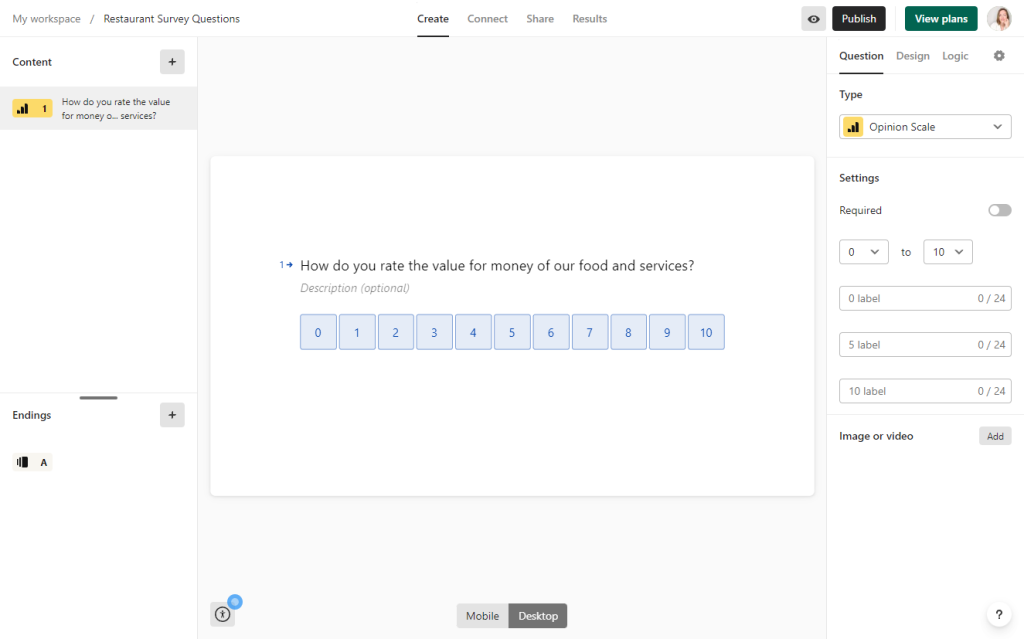
You can collect this information from guests using feedback forms, questionnaires, comment cards, and informal restaurant surveys. Or, ask them directly and record it somewhere. These methods, however, should cover areas such as food quality, customer service, ambiance and comfort, menu pricing/options, etc.
Collecting such information can help you understand customers’ needs, identify areas for improvement, and act accordingly to prepare for a successful grand restaurant opening.
Similarly, hold debriefing sessions with the entire staff during a soft opening. Then, discuss what went well and what needs improvement. Doing this can help you identify strengths that can be reinforced and weaknesses that need to be addressed. Besides, debriefing sessions encourage open communication among team members and can boost their morale and confidence.

5. Refine and adjust
Finally, use the feedback from your soft opening to make targeted improvements to your restaurant.
For example, if customers feel that certain dishes are too expensive or not flavorful enough, adjust the prices or tweak the recipes. Train your staff to improve the workflow if the service could be faster or more organized. Additionally, immediately correct these issues if you notice anything out of place, such as inconsistent portion sizes, unclear signage, or inefficient kitchen operations.
Making these adjustments will ensure your restaurant is fully prepared to provide a top-quality experience when it officially opens.
FAQs about restaurant soft openings
A soft opening is a trial launch where a new restaurant opens to a limited audience before the official grand opening. It allows staff to practice, workflows to be tested, and feedback to be gathered in a lower-pressure environment.
Soft openings can last anywhere from one night to several weeks. The ideal length depends on your goals. A weekend might be enough to test menu flow, while a multi-week soft opening allows for deeper training and refinement.
Yes, in most cases. Charging full or discounted prices helps simulate real operating conditions and gather useful feedback on pricing. Some restaurants may offer free meals to friends or family, but this depends on your objectives and budget.
Test everything from kitchen equipment, online ordering systems, and staff coordination to food quality and menu pacing. Use this time to iron out issues in a live environment before your full launch.
Yes, and it’s a great way to prepare for real demand. Tools like Orderable let you set up online, table, and delivery ordering so you can test your full ordering workflow before the big day.

Create your restaurant soft opening
Creating a restaurant soft opening lets you test your operations and refine your service before the grand opening.
During this event, you can gather constructive feedback, build buzz and anticipation, and ensure your team is ready for the big day. This guide covers different aspects of a successful soft opening event including some tips on planning and executing one. If you notice issues with your ordering process (or experience) within your new establishment, Orderable could be your solution.
It allows you to manage restaurant orders for separate new business locations from a single, main restaurant website. This includes setting up QR code table ordering for your tables in all your business locations.
Overall, this plugin brings together all features that streamline your customer’s ordering experience around dine-in tables and online. It also makes it easier for your staff to take orders accurately and speed up food service.
Get Your Restaurant Business Online With Orderable
Orderable is a user-friendly WordPress plugin that adds online ordering to your restaurant website.
Add your dishes, create your online ordering menu, customize your delivery schedule, and manage orders with ease.
Gina Lucia is our in-house Content Manager at Orderable. She writes articles, user guides, technical documentation, and creates videos on everything WooCommerce and Orderable.
Gina has been working in the WordPress/WooCommerce space since 2012 when she developed WordPress websites for clients large and small.
For the past 8 years, she’s been writing about everything WordPress and WooCommerce, becoming an expert in what makes a WooCommerce store succeed.
When not writing, Gina loves to tend to her vegetable garden, read, or travel to mainland Europe.
Don’t miss out on the latest Orderable news!
Sign up for our newsletter to receive the latest news from the blog, you’ll get pinged every week with a digest of the latest updates.
[fluentform id=”6″]

Related Articles
Why You Should Use a WordPress Food Ordering Plugin for Your Restaurant
10 Benefits of Online Ordering for Restaurants in 2026

How to Find and Talk to Restaurant Influencers in 2026
Get Your Restaurant Online With Orderable
The WooCommerce plugin designed to help restaurants take orders online – with no added fees!
View Pricing