
How to Analyze Restaurant Competition in 2026

How to Analyze Restaurant Competition in 2026


Gina Lucia


If you’re looking to understand how to analyze your restaurant competition, this guide is for you.
As a restaurant owner, you know firsthand how competitive the restaurant industry is. Because of this competition, you might be struggling to stand out. Or you’d just like to know how you can improve your business. Analyzing your competitors will inform you of who you’re up against and what steps you can take to move forward.
If you’re unsure how to find and analyze your competitors effectively, we’ve got you covered.
In this guide, we’ll walk you through:
- How to identify your restaurant competition.
- How to collect and analyze key information on them.
- How to use this information to improve your restaurant business and stay ahead of the competition.
Get Your Restaurant Business Online With Orderable
Orderable is a user-friendly WordPress plugin that adds online ordering to your restaurant website.
Add your dishes, create your online ordering menu, customize your delivery schedule, and manage orders with ease.


How to find and analyze restaurant competition
In the restaurant world, competition isn’t hard to find. With over a million restaurants in the US alone, it’s something every owner has to navigate, no matter how established their business is.
Even if your current sales are steady, it’s worth regularly checking what other restaurants are doing. Not to imitate them but to better understand your market and spot opportunities you might otherwise miss.
That’s where a proper competitive analysis comes in. And no, it’s not just about visiting a few local spots to see what’s on the menu. Done well, this process gives you a clearer picture of how your business fits into the wider landscape and where you can improve.
Let’s break down how to do it, starting with identifying exactly who your competitors are.
Step 1: Identify your competitors
Before you can analyze your restaurant competition, you need to know who they are. This means getting a clear picture of the other businesses serving the same audience as you.
Start by looking at restaurants or food delivery services that offer a similar menu or dining experience. If they’re targeting the same type of customer, they’re worth paying attention to.
It’s important to consider both local competitors in your area and online businesses that serve your region. Depending on your setup, you might be competing with nearby dine-in spots, ghost kitchens, or national delivery-only brands that offer a similar style of food.

1. Local competitors (brick-and-mortar)
These are restaurants in your area that serve the same or similar cuisine. You’re likely sharing customers with them, especially if you’re targeting the same price point or dining style.
But it’s not just other burger joints or sushi bars you need to pay attention to. Local restaurant competition can be broader than that.

Spotting less obvious restaurant competition
Imagine you run a fast food burger place. Your immediate competitors might seem obvious – other burger restaurants nearby. But what about the taco truck around the corner? Or the pizza place offering lunch deals?
They might not sell the same food, but they’re still attracting the same customers during the same moments. This is often referred to as “share of occasion.”
In other words, you’re not just competing based on what you serve but when and why people are eating.
That could include:
- Quick weekday lunches.
- Late-night bites.
- Sit-down dinners with friends.
To really understand your local restaurant competition, look at all the places your customers might go during those key moments, not just the ones with a similar menu.
Now, let’s look at how to identify those competitors clearly.

How to identify your local competitors
Your most obvious competitors are the nearby restaurants offering similar cuisine. You probably already know a few just from being part of the local scene. But a little online digging goes a long way for those that aren’t as visible.
Here are some useful platforms to help you find them:
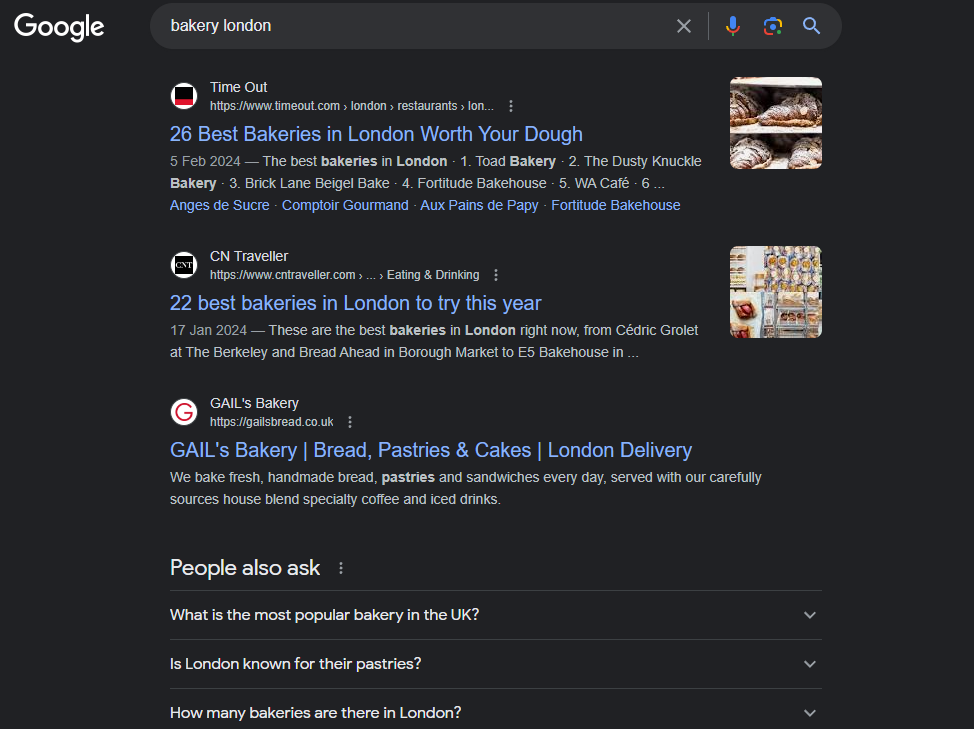
Google Search
A quick search is often all it takes. Around 64% of businesses have claimed their Google Business Profile, which means many of your competitors will show up when someone searches for restaurants nearby.
Try searches like “Italian restaurants near me” or “best sushi spots in [your city]” to see who appears.
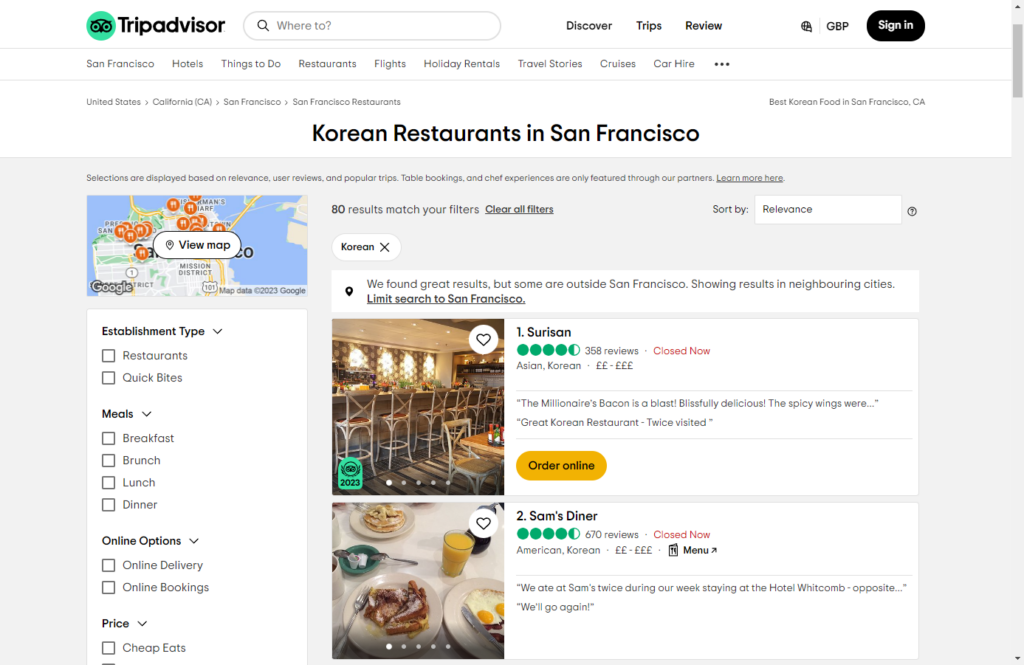
Online review platforms
Sites like Yelp and TripAdvisor are helpful for discovering similar restaurants in your category. Browse the top-rated or most-reviewed places in your area, and pay attention to those with a similar menu, vibe, or customer base.
Food delivery apps
Platforms like Uber Eats and DoorDash list active restaurants by cuisine, popularity, and location. These apps give you a real-time look at who’s delivering in your area, how they position their food, and what kinds of deals or promotions they’re offering.
Social media platforms
While Instagram’s map feature is gone, hashtags still work well for discovery. Search tags like #finediningNYC or #burgersinLA to find other restaurants with similar offerings in your area. Social media is also useful for seeing how competitors present themselves and engage with customers online.

2. Online competitors (if you offer delivery or takeout)
If your restaurant offers delivery or takeout, your competition isn’t limited to your local area. You’re also up against other food businesses, sometimes outside your immediate region, that are targeting the same types of customers.
To find these online competitors, you can use many of the same platforms you used to identify local ones:
Food delivery apps
If your restaurant is listed on services like Grubhub or DoorDash, explore how your food category shows up. Try searching as a customer would. For example, type in “Thai food” or “vegan meals” and see which restaurants consistently rank near the top. These are likely the most visible competitors in your space.
Restaurant review sites
Review platforms like Yelp and TripAdvisor let you browse top restaurants by category without applying a location filter. This gives you a broader view of who’s trending in your niche across different markets.
Social media activity
Search hashtags related to your cuisine on platforms like Instagram or TikTok. Look at which restaurants are frequently tagged or reshared in those posts. These are often the brands with strong online visibility and customer engagement, two factors that matter in the delivery and takeout space.
Once you’ve gathered your list of competitors, the next step is to organize them into categories. This will help you compare and analyze them more effectively.

Step 2: Categorize your competitors
Organizing your competitors into categories makes the analysis process more focused and useful. It’s not just about what they serve or who they serve. There are other factors that can help you make more meaningful comparisons.
Here are a few criteria you can use to categorize them:
Restaurant concept
Consider the overall style of the business. Are they a fast-casual chain, a fine dining restaurant, or a food truck? Looking at their concept helps you compare their business model to yours.

Service model
Take note of how they serve customers. Do they offer dine-in only, or are they set up for takeout, delivery, and online ordering? This can affect who they reach and how they operate.
Price point
Are their prices in line with yours, or do they cater to a different spending range? Understanding how they price their food can tell you a lot about their target audience and positioning.
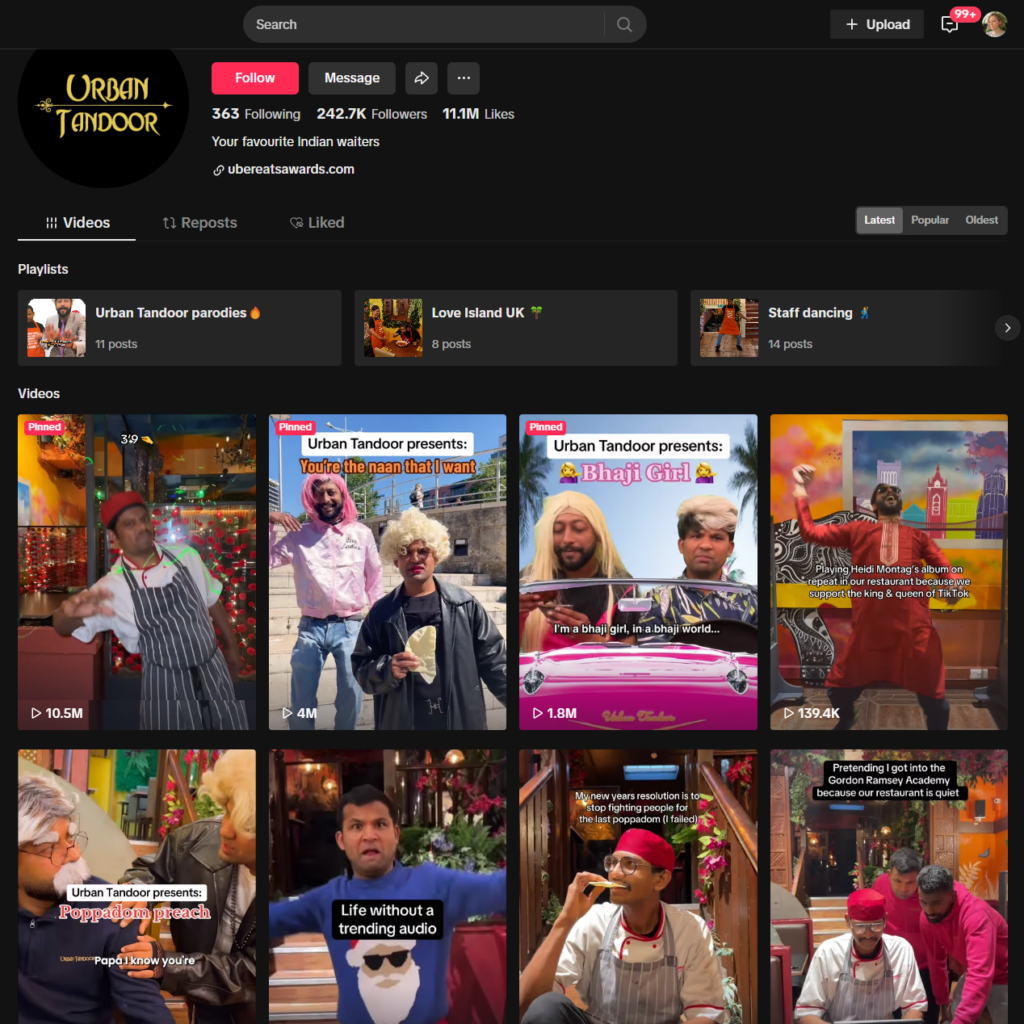
Marketing and promotion
Look at how they attract and retain customers. Do they rely on social media? Do they offer loyalty programs, discounts, or seasonal campaigns? Compare their approach with your own to see where you might stand out or fall behind.
Using these criteria, you can begin to group your competitors into clear categories. This will make it easier to compare strategies and spot areas for improvement in your own business.
Direct competitors
These are restaurants that closely mirror your own. They offer similar menu items, operate with the same service model, and price their food at a similar level. In other words, you’re competing for the exact same customers.
For example, if you run a burger joint, another burger spot in your area selling similar burgers at a similar price would be a direct competitor.

Indirect competitors
These businesses serve the same customer base but offer a different type of cuisine. If you run a coffee shop, a nearby bakery might be considered an indirect competitor. Both attract customers looking for a quick snack or casual bite, even if the menu differs.
In the case of a burger joint, indirect competitors could include taco stands, food trucks, or pizza places. Any spot competing for the same dining moments.

Niche competitors
Niche competitors serve a specific segment of your market. They don’t try to appeal to everyone, but they go deep in one area.
Using the burger joint example, a vegan burger restaurant would be a niche competitor. While they may not compete for your entire customer base, there’s overlap, especially for those seeking plant-based options.
To keep things organized, use a spreadsheet tool like Google Sheets or Airtable. You can log competitor names, locations, categories, and any other details you plan to track.
Depending on your workflow, you can create one combined spreadsheet or use individual tabs or files for each competitor.
Now that you’ve grouped your restaurant competition, it’s time to dig deeper into what they’re doing and how you can learn from it.

Step 3: Collect key data
Now that you’ve identified your competitors and sorted them into categories, it’s time to start gathering useful information about them.
This step is where you move from general observations to specific insights. It’s the first real opportunity to understand what each competitor is doing and how you can set your business apart.
There’s no shortage of places to look, but knowing where to focus will save you time and give you a clearer edge. In this section, we’ll walk you through what to look for and where to find it. Our goal is to help you go beyond surface-level details and uncover insights that can actually shape your strategy.
Here’s how to dig into the details and start building a fuller picture of your restaurant competition.

1. Menu and pricing
A competitor’s menu is one of the most valuable resources you can review. In most cases, you’ll find it on their website. If it’s not available there, head over to platforms like Yelp or TripAdvisor. Customers often post photos of menus, especially when they’re impressed or disappointed.
Review their menu closely
Start by identifying their best sellers. Are there items marked as “fan favorites” or “most popular”? Take note of how these dishes are presented. Do they use product labels or a dedicated section to highlight them?

Next, look for features that make their menu stand out:
- Differentiators. Are they adding a unique spin to classic dishes? Do they highlight locally sourced or organic ingredients?
- Specials and seasonal items. Are they introducing limited-time offers or jumping on food trends?
As you go through, compare their menu to your own. What are they offering that you’re not? What gaps could you fill, and where might you have the edge?
Check the menu prices
Check how they price their appetizers, mains, and desserts. Get a sense of their pricing range by noting the highest and lowest prices in each category.
Pay close attention to how your pricing stacks up against theirs. Are they charging more for a similar dish? Are they undercutting you on price?
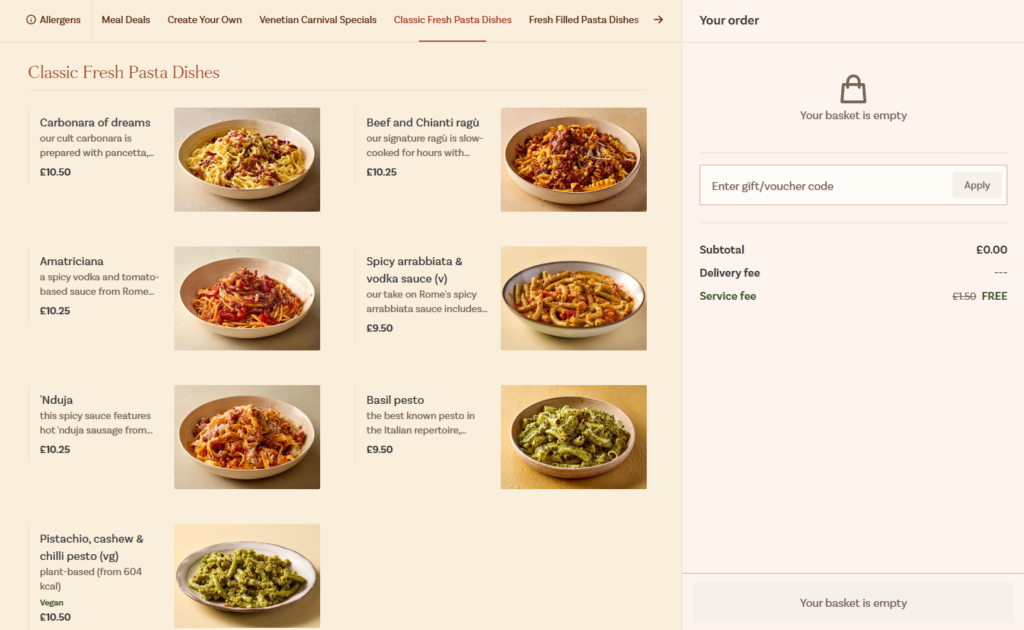
You should also look at how they structure their pricing:
- Are they bundling items into meal deals?
- Do they use psychological pricing, like $12.99 instead of $13?
- Are there limited-time discounts or promotions?
This kind of detail can give you useful insights into how your competitors are positioning themselves.

2. Customer experience
One of the most effective ways to assess the customer experience your competitors provide is to experience it for yourself. Visit nearby restaurants by dining in or ordering takeout, and pay attention to the details. This gives you a view into what isn’t obvious from their website or social media.
There are two key things to focus on:

Who they’re serving
Take a moment to observe the type of customers coming through the door. What’s the general age range, group size, or vibe? Are they individuals grabbing a quick bite, families, or groups of friends? Compare this to your own customer base and note any similarities or differences.
How their staff behave
Watch how employees interact with customers. Are they welcoming and attentive? Do they make an effort to upsell drinks, desserts, or specials? Also, notice how well the team works together behind the scenes. It says a lot about how the place is managed.
Altogether, this helps you form a clear picture of the kind of dining experience they’re offering.
Read customer reviews
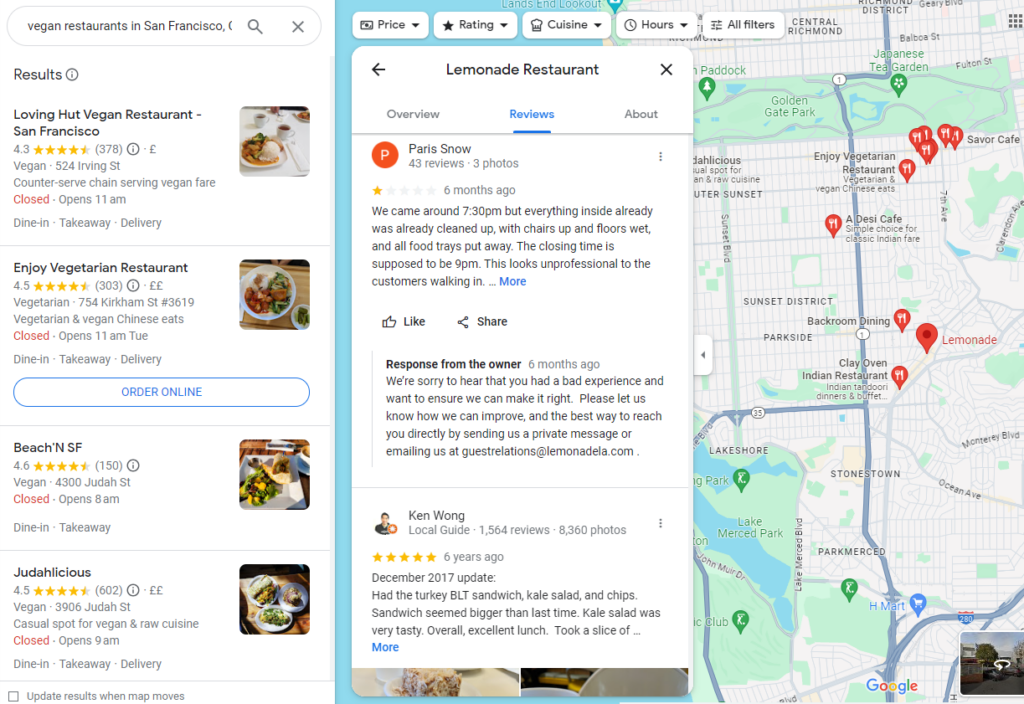
Only a small percentage of restaurants respond to reviews on platforms like Google. That’s a missed opportunity for them and a useful one for you.
Head to sites like Google Reviews, Yelp, or Zomato to see what people are saying. Look for patterns in praise or complaints. You’ll often find clues about menu favourites, poor service experiences, or slow delivery times.
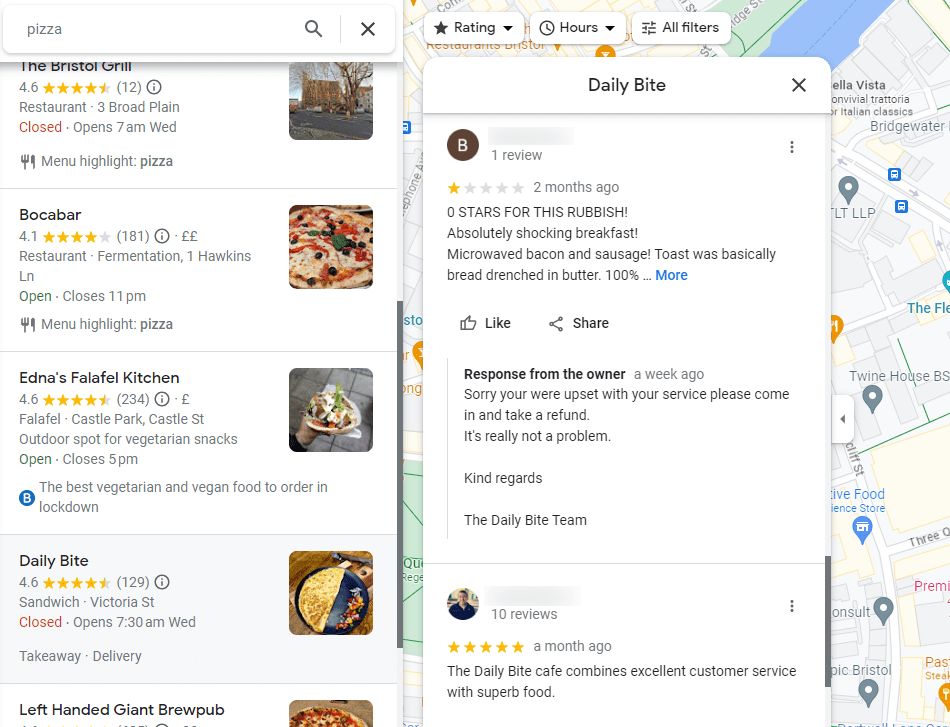
Also, check social media. Comments on posts can reveal unfiltered feedback that might not make it to review sites. Pay special attention to how your competitors respond to negative feedback, if they respond at all. Their customer service approach, or lack of one, can be a key differentiator for your own brand.
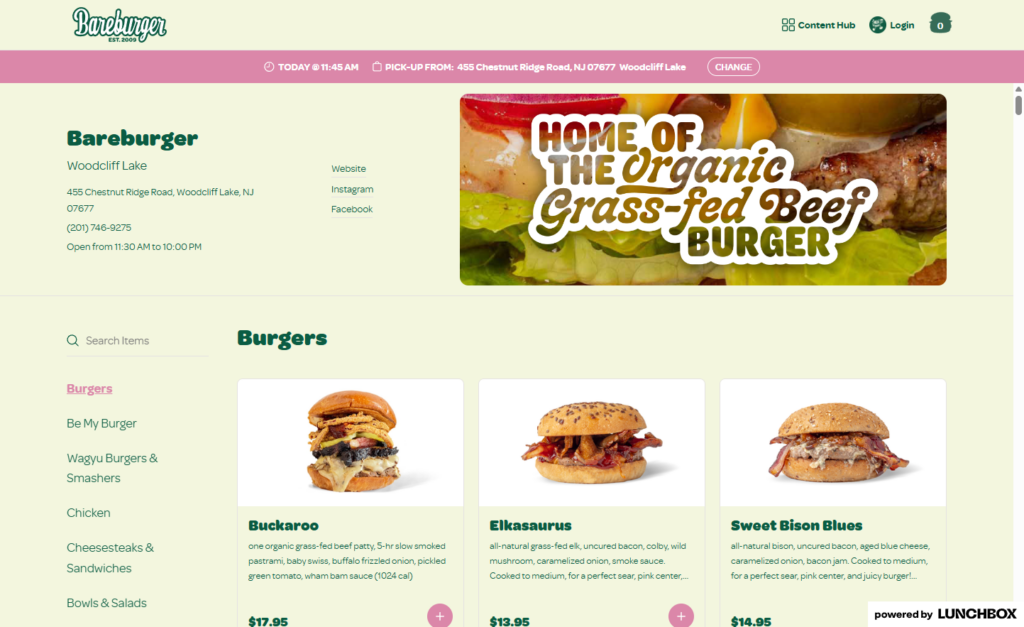
3. Online presence: How do your restaurant competition present themselves online?
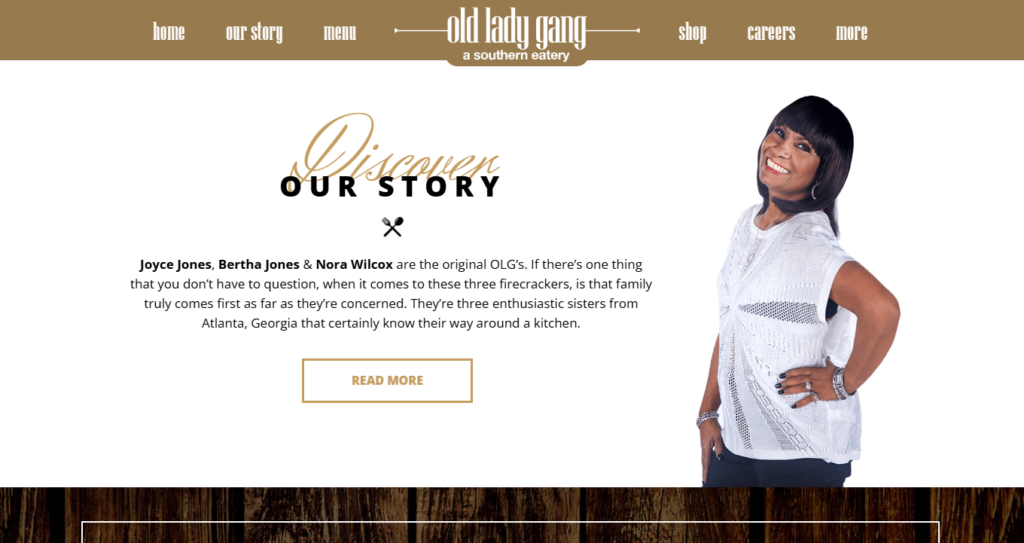
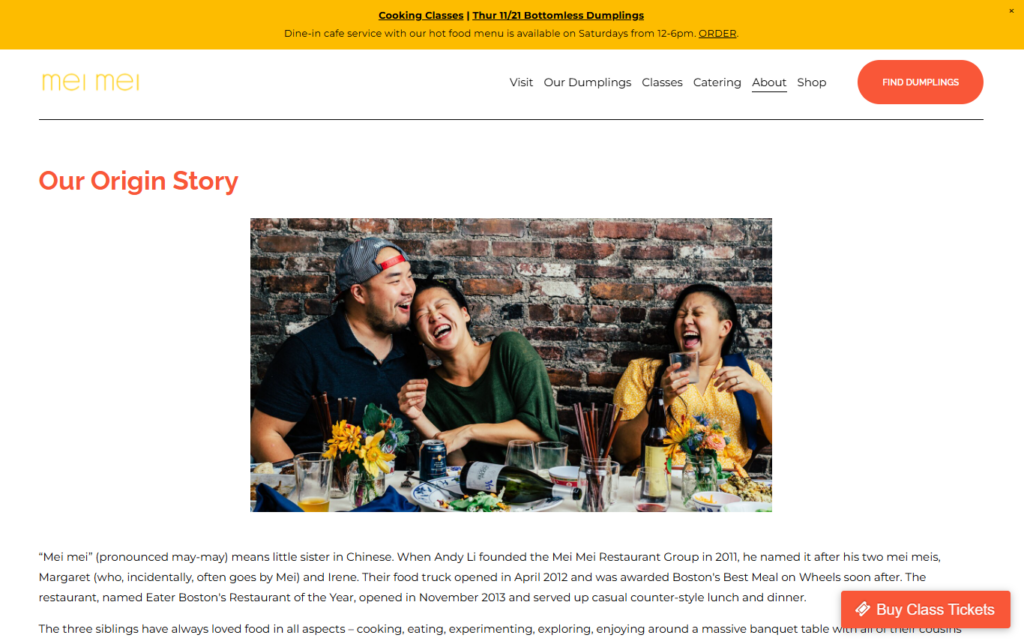
Your competitors’ online presence can reveal a lot about how they position their brand, who they’re targeting, and what they value most. Start by visiting their website and paying attention to how they present themselves.
Visual focus
What do they lead with? If the homepage highlights close-ups of food, they’re likely emphasizing taste and quality. If decor or ambiance takes center stage, the focus may be more on the in-person dining experience.
Key messaging
Take note of the phrases that appear across multiple pages. Repeated terms like “farm-to-table,” “sustainably sourced,” or “family-owned” often point to a brand’s unique selling proposition and values. This messaging helps you understand what they think will resonate most with their audience.
Keep in mind that the design, language, and structure of a competitor’s website are all clues to how they want to be perceived.

Social media strategy
Next, take a look at their social media profiles.
Focus on:
- How frequently they post.
- The types of content they share (photos, videos, customer testimonials, behind-the-scenes content).
- Engagement metrics like likes, comments, and shares.
Pay special attention to which posts get the most traction. This gives you insight into what their audience responds to.
Also ask: Are they using social media to actively attract new customers, or are they mainly promoting limited-time offers and seasonal dishes?
Email marketing
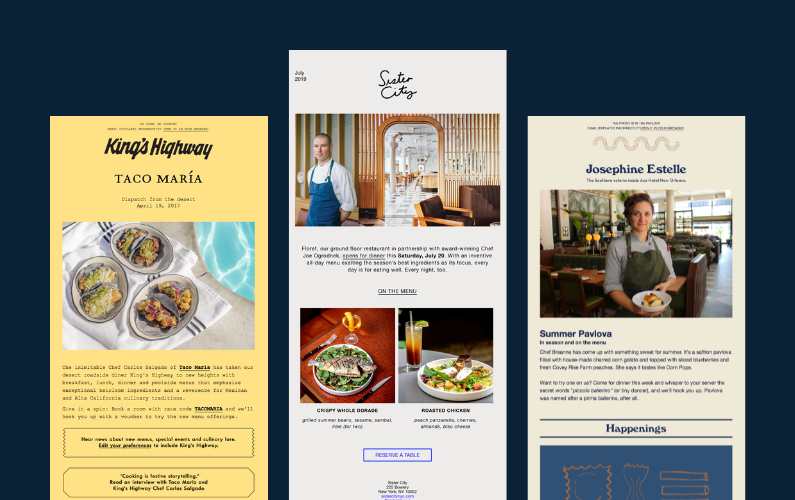
If they have a newsletter, sign up. This is one of the easiest ways to see how they engage with their audience directly. Take note of the tone, frequency, and types of messages they send. Are they promotional, educational, personal?
Once you’ve gathered enough information, you’re ready to move on to the final step: analyzing what you’ve found and deciding what to do with it.
Step 4: Analyze your findings
Once you’ve gathered all the key information, it’s time to make sense of it. By now, you’ve likely come across restaurants that are thriving in your space, and you’ve identified some of the strategies they’re using to succeed.
But simply copying what works for them isn’t enough. Your goal isn’t to replicate their approach. It’s to understand what’s driving their success, spot the gaps they’ve missed, and find opportunities that align with your own strengths.
That’s where analysis comes in.
Let’s go over a few methods you can use to interpret your findings and turn them into actionable insights.

1. SWOT analysis for each competitor
A SWOT analysis is a simple but powerful framework for evaluating a competitor’s Strengths, Weaknesses, Opportunities, and Threats. It’s widely used across industries and for good reason. Businesses that use this type of structured analysis are significantly more likely to hit their goals.
For restaurant owners, it offers a clear way to break down what’s working for your competitors, where they fall short, and where you might find your edge.
Let’s look at how this might work using a fictional example: an Italian bistro in your area.
Strengths
Start by identifying what your competitor does well. These are the factors that give them an advantage in the market.
In the case of an Italian bistro, strengths might include:
- High-quality, authentic dishes.
- A warm, inviting atmosphere.
- A loyal customer base that returns regularly.
Weaknesses
Next, note where they fall short. These are the areas where customers might feel underserved or where you can do better.
For example, you might observe:
- Slow service during busy hours.
- No online ordering option (only phone orders).
- A website that doesn’t work well on mobile.
- A menu that doesn’t highlight best sellers or accommodate dietary preferences.
Opportunities
These gaps you could fill are often uncovered through the weaknesses you just listed. Opportunities give you a chance to differentiate your restaurant.
Sticking with our example, this could include:
- Offering a seamless online ordering system.
- Designing a mobile-friendly website.
- Showcasing gluten-free, vegan, or low-carb items to attract health-conscious diners.
Threats
Finally, look at what makes this competitor a serious player. What could they do, or already do, that threatens your market share?
This might be:
- A signature dish that keeps potential customers coming back.
- Strong word-of-mouth or brand recognition in the area.
- High visibility through social media or partnerships.
Note: If you haven’t already completed a SWOT analysis for your own restaurant, it’s worth doing that next. Comparing your findings side by side will help you pinpoint areas for growth and strategy. You can check out our full guide on SWOT Analysis for Restaurants to get started.

2. Restaurant competitive analysis matrix
A competitive matrix is another valuable tool for sizing up your restaurant against others in your area. It gives you a side-by-side view of where each business stands and helps you spot clear differences, strengths, and gaps.
To build one, create a simple table that includes columns for:
- Cuisine
- Price range
- Location
- Customer ratings
- Unique selling points (USP)
Then, list each competitor and fill in the details. This format makes it easy to compare restaurants at a glance and see where you might stand out or where you’re falling behind.
You don’t need to build these tables from scratch, either. Tools like Dovetail offer competitive matrix templates you can customize to save time.
Once you’ve put together your matrix and reviewed your SWOT analysis, you’ll have a much clearer picture of your local landscape. From there, you can identify what sets your restaurant apart and decide where to focus your efforts.

Step 5: Identify your competitive advantage
Restaurant competition isn’t something to fear. In fact, it’s often a sign that there’s strong demand. Think about busy streets lined with cafés, burger joints, or pizza places. Clearly, there’s room for more than one.
The key is having something that makes you different. Once you’ve finished analyzing your competitors, your next step is to define that difference.
This is your competitive advantage. The unique selling point that sets your restaurant apart.
It might be:
- A signature dish no one else offers.
- An unbeatable customer experience.
- A standout online ordering system.
- A clear commitment to dietary preferences or local sourcing.
Whatever it is, it should be something your competitors aren’t doing, or not doing well. Once you’ve identified it, make sure it’s woven into everything from your menu to your marketing strategy. That’s what turns research into real-world results.

Find what sets you apart
Once you’ve compared your SWOT analysis to those of your competitors, you’ll start to see your unique selling points, the things you offer that others don’t, or the areas where you simply do it better.
Ideally, these should align with your restaurant’s existing strengths. They’re what make you the obvious choice for your target customers.
Your restaurant competition edge might come from:
- A signature dish or standout ingredient.
- A seamless online ordering experience when others still rely on phone orders.
- Friendly, consistent service that leaves a lasting impression.
- A commitment to local sourcing or sustainable practices.
- Menu options are tailored to specific dietary needs, like gluten-free or plant-based.
- A well-organized, easy-to-navigate menu makes ordering simple.
These are just a few examples. What matters most is that you find the advantage that’s authentic to your brand and valuable to your customers. Then, lean into it. Make it part of your messaging, your service, and your everyday operations.
Position your brand to compete
Once you’ve identified what makes your restaurant different, it’s time to put that insight into action.
Positioning your brand effectively comes down to three key things:
- Delivering a top-tier customer experience.
- Lean into what sets you apart.
- Using competitor insights to spot and act on new opportunities.
Start with customer experience
No matter how good your menu or marketing is, it won’t matter if the customer experience falls flat. Whether someone’s dining in, ordering delivery, or picking up takeout, every interaction should be smooth, friendly, and memorable.
For dine-in customers, it starts with training your team. Your staff should know how to welcome guests, handle service issues professionally, and create a warm atmosphere.
If you need help improving your front-of-house experience, check out our guide on How to Improve Restaurant Customer Service.
For delivery and takeout, your online ordering setup is key, and this is where tools like Orderable come in.

Make online ordering seamless with Orderable
If your restaurant website runs on WordPress, Orderable gives you everything you need to build a smooth, reliable ordering experience. It’s built specifically for food businesses, so it focuses on what matters most to your customers.

With Orderable, you can offer:
- A straightforward ordering flow that keeps things simple from start to finish.
- Mobile-friendly design so customers can easily order from their phones.
- Delivery and pickup time slots that give customers control and flexibility.
Behind the scenes, Orderable makes it easy for you to build eye-catching menus, manage live orders, and keep everything running smoothly. That means less time chasing down tickets, and more time serving happy customers.
If you’re serious about improving the online side of your customer experience, this is a smart place to start.
Get Your Restaurant Business Online With Orderable
Orderable is a user-friendly WordPress plugin that adds online ordering to your restaurant website.
Add your dishes, create your online ordering menu, customize your delivery schedule, and manage orders with ease.
Double down on what sets you apart
Once you’ve identified your edge, it’s time to amplify it. Let’s say your signature dish is the thing that draws people in. You don’t have to stop at offering it. Find ways to make it more engaging, more personalized, and more profitable.
Use Orderable to offer customizations with product add-ons
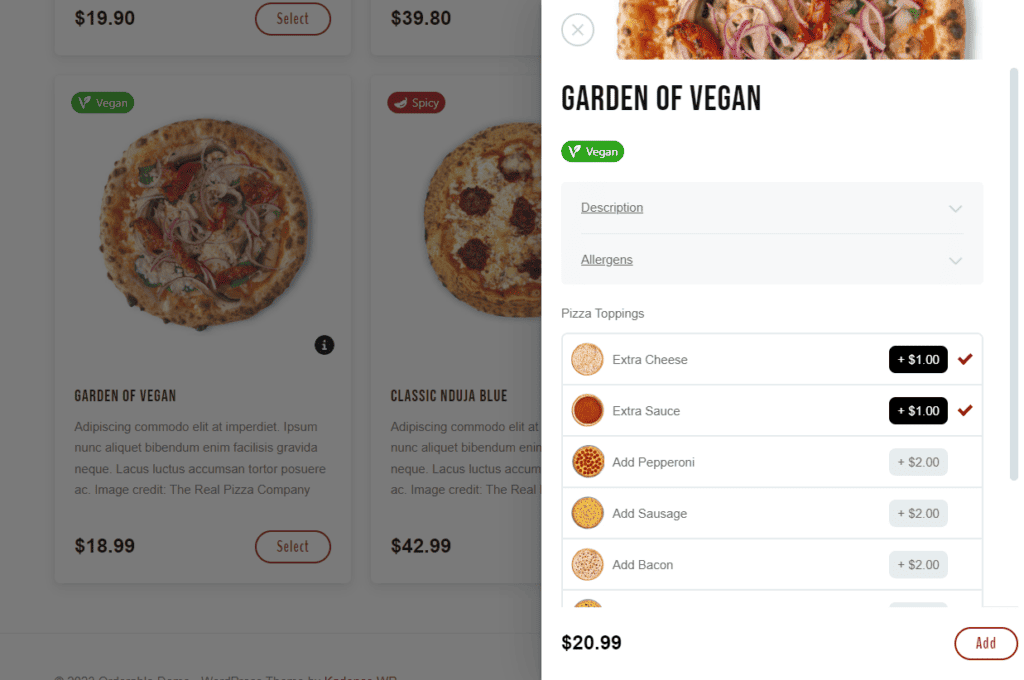
Orderable’s product add-ons feature makes it easy to give customers more control over their orders.
For your signature dish, this means you can:
- Let customers add or remove toppings or sides. For example, they can add extra pepperoni, swap in plant-based cheese, or add a side of garlic knots if it’s a pizza.
- Offer multiple portion sizes so they can order a lunch portion or a shareable size.
Each add-on can be priced individually, which helps increase your average order value while giving customers more of what they want.
Cross-sell with order bumps
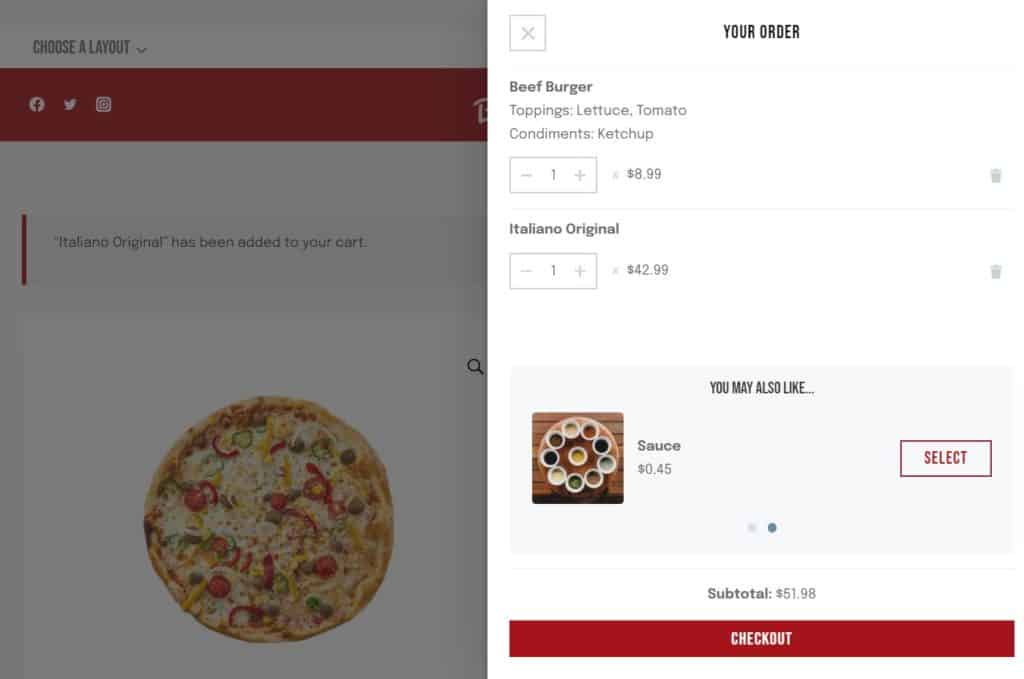
Orderable also includes built-in order bumps, so you can suggest the perfect add-ons before checkout. If someone’s ordering a pizza, you can recommend pairing it with a drink, dessert, or side dish like buffalo wings, without disrupting the flow of their order.
It’s a subtle but powerful way to boost revenue and improve the customer experience.

Fill the gaps your restaurant competition are missing
Your SWOT analysis likely uncovered some missed opportunities. Maybe one of your top competitors has slow service during busy hours. That’s your chance to stand out.
With QR code table ordering, you can speed things up and modernize the way customers order.
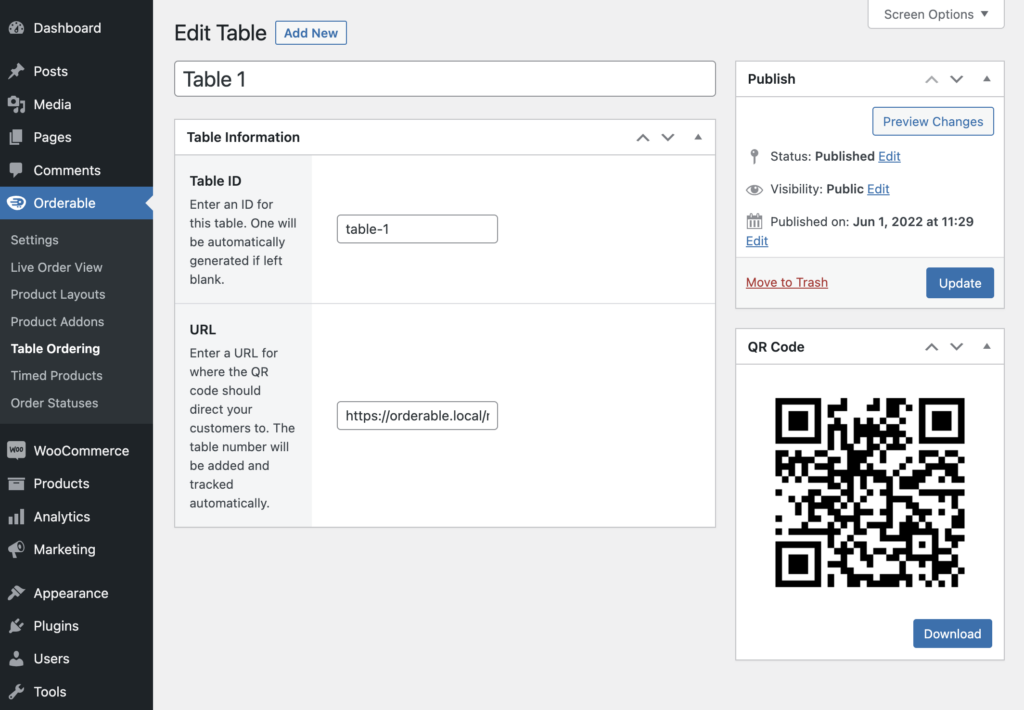
Here’s how it works:
- Use Orderable to generate QR codes for your tables.
- Customers scan the code with their phone, view the menu instantly, and place their orders.
- Orders are sent straight to the kitchen, reducing wait times and improving efficiency.
Step 6: Monitor and adapt
Competitive analysis isn’t something you do once and check off the list. The restaurant industry moves fast. New competitors pop up, trends shift, and customer expectations change. If you want to stay competitive, you need to stay alert.
This means keeping an eye not just on your competition, but on your own performance too.
Regular tracking
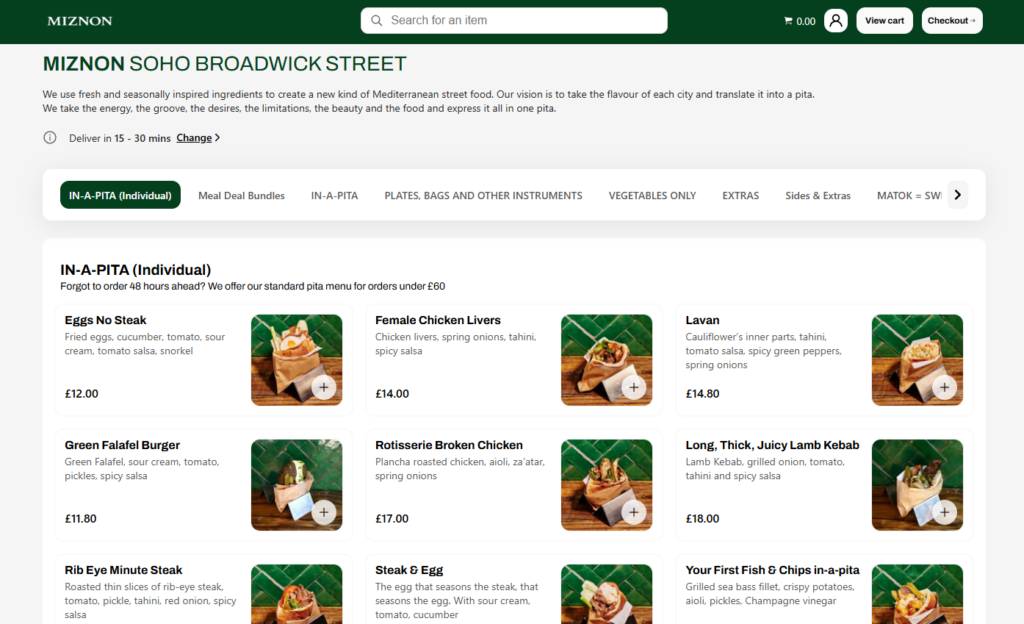
A full competitor review once or twice a year is a good place to start. But in between, make it a habit to loosely monitor:
- Changes in local menus and pricing.
- Promotions or offers on delivery apps.
- Competitor reviews and social media engagement.
And while you’re at it, don’t forget to track feedback about your own restaurant. Watch what customers are saying in reviews, on social, and through direct feedback so you can spot potential issues early.
Adapt and optimize
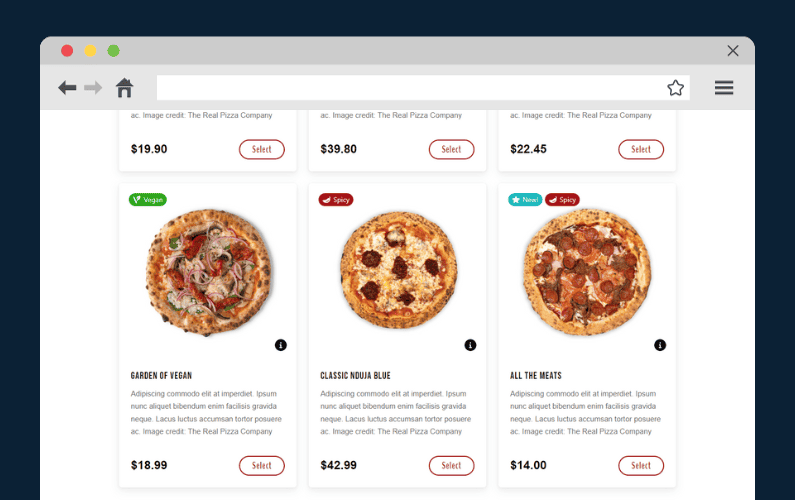
When you see clear changes in the market, don’t wait to react. Take action.
For example:
- If competitors raise prices and customers don’t flinch, it might be time to review your own pricing strategy.
- If a new player is attracting your audience, step up your restaurant marketing to re-engage your customer base.
- Consider launching a loyalty program to keep current diners coming back.
Adaptability is your best defense in a fast-moving industry. Keep your finger on the pulse, and make decisions that position your restaurant to thrive, not just now, but in the long run.
Stay ahead of your restaurant competition today
Understanding your competition is essential if you want your restaurant to grow sustainably. Even if things are going well, ongoing competitor analysis helps you stay sharp and adapt before problems arise.
In this guide, we’ve broken down the full process. From identifying competitors to gathering meaningful insights and using that data to strengthen your position.
We also covered how to highlight your unique strengths and take action with tools like Orderable to improve your online ordering experience and drive more revenue.
Use this as your go-to playbook for competitive research. And remember, the most successful restaurants don’t just watch the competition. They learn from it, evolve, and lead.
Get Your Restaurant Business Online With Orderable
Orderable is a user-friendly WordPress plugin that adds online ordering to your restaurant website.
Add your dishes, create your online ordering menu, customize your delivery schedule, and manage orders with ease.
Gina Lucia is our in-house Content Manager at Orderable. She writes articles, user guides, technical documentation, and creates videos on everything WooCommerce and Orderable.
Gina has been working in the WordPress/WooCommerce space since 2012 when she developed WordPress websites for clients large and small.
For the past 8 years, she’s been writing about everything WordPress and WooCommerce, becoming an expert in what makes a WooCommerce store succeed.
When not writing, Gina loves to tend to her vegetable garden, read, or travel to mainland Europe.
Don’t miss out on the latest Orderable news!
Sign up for our newsletter to receive the latest news from the blog, you’ll get pinged every week with a digest of the latest updates.
[fluentform id=”6″]

Related Articles
Why You Should Create a Limited Menu for Your Restaurant
10 Online Menu Inspiration Ideas
Email Marketing for Restaurants: A 2026 Guide
Get Your Restaurant Online With Orderable
The WooCommerce plugin designed to help restaurants take orders online – with no added fees!
View Pricing