
How to Do SWOT Analysis for Restaurants in 2026

How to Do SWOT Analysis for Restaurants in 2026


Roxana Claudia


If you’re looking to perform a SWOT analysis for restaurants, this article is here to help.
In this guide, we’ll break down the steps to conduct a thorough SWOT analysis for your restaurants. No matter if you’re starting a new restaurant, or you’re an experienced restaurant owner, this guide is for you.
Here’s what we’ll cover:
- Identifying strengths: Discover what separates your restaurant from the rest and how to use that to your advantage.
- Recognizing weaknesses: Pinpoint areas of improvement to enhance your operations and customer experience.
- Exploring opportunities: Uncover new trends and market gaps that your restaurant can exploit.
- Assessing threats: Understand external factors that could negatively impact your business and how to plan for them.
Understanding your business’s strengths, weaknesses, opportunities, and threats (SWOT) is important for making informed decisions and staying competitive in the ever-evolving restaurant industry.
Running a restaurant comes with unique challenges, from fluctuating customer preferences to tough competition and economic uncertainties.
Many restaurant owners struggle to identify the key areas that need improvement and recognize potential growth opportunities. This is where a SWOT analysis becomes an invaluable tool.
👋 By the end of this article, you’ll understand how to use the SWOT analysis to drive your restaurant’s success in 2026 and beyond.
Let’s first talk about a SWOT analysis for your restaurant and how you can benefit from making one.
Get Your Restaurant Business Online With Orderable
Orderable is a user-friendly WordPress plugin that adds online ordering to your restaurant website.
Add your dishes, create your online ordering menu, customize your delivery schedule, and manage orders with ease.


What is a SWOT analysis?
A SWOT analysis is a strategic planning tool used to identify and evaluate the internal and external factors that can impact a business’s success.
💡 SWOT stands for Strengths, Weaknesses, Opportunities, and Threats.
Think of it as a business plan for restaurant owners. Conducting a SWOT analysis is an easy and visual way to get a snapshot of their business’s current state and put together growth and improvement strategies.
What is a SWOT analysis for restaurants?
- Strengths. These are the internal attributes and resources that your restaurant excels at. Such as a loyal customer base, unique menu offerings, prime location, or exceptional service.
- Weaknesses. These internal factors might be holding your restaurant back. Including outdated equipment, limited restaurant marketing efforts, low food quality, and employee turnover.
- Opportunities. These are external factors that your restaurant could capitalize on to enhance growth and profitability. Such as emerging food trends, new customer segments, favorable economic conditions, or untapped marketing channels.
- Threats. External factors that could potentially harm your business include increased competition, changing consumer preferences, high food costs, and regulatory changes.
Understanding these business components allows you to make informed decisions, prioritize initiatives, and create actionable plans that align with your restaurant’s goals. It’s a proactive approach to staying ahead in the competitive landscape.
Now that we understand a SWOT analysis and why it’s crucial for your restaurant, let’s move on to making one.

How to do a SWOT analysis for restaurant this year
In this section, we’ll guide you through performing your own SWOT analysis for restaurant by breaking down each letter/component.
Working through this process will help you gain valuable insights into your restaurant’s current position and identify strategic actions to keep a competitive advantage.
💡 The examples provided here are just starting points. You may find the need to add or remove factors as you delve deeper into your specific situation.
Step 1: Strengths
In this section, we’ll focus on identifying your restaurant’s strengths. Those internal factors that give you a competitive edge.
Recognizing these strengths will help you understand what you’re doing well and how to leverage these to improve your restaurant’s success.
Here are some things you might potentially want to track under strengths for your restaurant SWOT analysis.
Menu innovation
Assess the uniqueness and appeal of your menu options. Consider specialty dishes, seasonal items, and dietary options such as vegan or gluten-free choices.
Think about how your menu stands out from competitors and meets your customers’ expectations.
Questions to ask include:
- Do you offer unique or signature dishes that draw in customers?
- How often do you update your menu to reflect current food trends?
- Are you accommodating dietary restrictions and preferences effectively?
👋 Want to expand your restaurant menu? Give our restaurant menu ideas guide for some inspiration.
Quality of food and ingredients
Look into the freshness, taste, and presentation of your dishes. High-quality ingredients can significantly impact the dining experience and customer satisfaction. Consider the supply chain so that you source from local suppliers while maintaining a certain level of sustainability.
Questions to consider:
- Are your ingredients fresh and of high quality?
- Do you have relationships with reliable local suppliers?
- Is the presentation of your dishes consistently appealing?
Customer service
Consider the level of hospitality, responsiveness, and personalization your staff offers to diners, both in-person and through online interactions. Excellent customer service can create memorable experiences that encourage repeat business.
Questions to consider:
- How friendly and responsive are your staff members?
- Do you offer personalized service that makes customers feel valued?
- How efficient and helpful are your online and phone interactions?
Brand reputation
Review customer reviews, ratings, and feedback to determine whether you have a strong brand. A strong reputation can be a major asset in attracting new customers.
Studies show that 72% of customers are willing to share their guest experience if they’re asked in person. Usually, this feedback tends to be honest because the dining experience is still fresh in their mind.
Questions to consider:
- What are customers saying about your restaurant online?
- Do you have a high rating on review platforms like Yelp or Google?
- How do you handle and respond to customer feedback?
👋 Want to get to grips with restaurant reviews? Give our how to respond to negative reviews guide a read.
Location
Analyze the accessibility, visibility, and attractiveness of your restaurant’s location. A prime location can drive foot traffic and make your restaurant a convenient choice for customers.
Questions to consider:
- Is your restaurant easily accessible and visible to potential customers?
- How much foot traffic does your location receive?
- Does your location align with your target demographics?
By thoroughly examining these areas, you’ll be able to highlight the strengths that set your restaurant apart from the competition.
Now that you’ve identified your strengths, let’s move on to the next step: recognizing your weaknesses.

Step 2: Weaknesses
In this restaurant SWOT analysis section, we’ll focus on identifying your restaurant’s weaknesses. Those internal factors that may hinder your success.
Recognizing these weaknesses is crucial for developing strategies to improve your operations and customer experience.
Here are some things to stay on top of.
Operational efficiency
Identify areas where operational processes and operational costs can be streamlined or improved. Seamless operations are important for maintaining quality and service standards.
Questions to consider:
- Are there bottlenecks or inefficiencies in your kitchen operations?
- Do you frequently run out of stock or have excess waste?
- Are your employees adequately trained and knowledgeable about their roles?
Online presence
Evaluate the effectiveness of your restaurant’s website, social media profiles, and online ordering platforms. A strong online presence is essential for attracting and engaging customers.
Questions to consider:
- Is your website user-friendly, mobile-optimized, and informative?
- Are your social media profiles active and engaging?
- Are your online ordering systems easy to use and reliable?
Customer experience
Assess potential shortcomings in the overall dining experience. Making sure the customer has a positive experience is key to them coming back and leaving you a positive review. The same cannot be said for poor customer service.
Questions to consider:
- Are customers experiencing long wait times for seating or service?
- Do you have sufficient seating to accommodate peak times?
- Is the quality of service consistent across different shifts and staff members?
Marketing strategies
Review the reach, effectiveness, and ROI of your current marketing efforts. Effective marketing is essential for attracting new customers and keeping existing ones. It’s even more important if you want to tap into a new market.
Questions to consider:
- Are your ads reaching the right audience and generating results?
- Are your promotions and discounts driving traffic and sales?
- Do you have effective loyalty programs that encourage repeat business?
👋 Looking to create a marketing plan for your restaurant? Give our restaurant marketing plan guide a read.
Competitive positioning
Recognize areas where your restaurant may lag behind competitors. Understanding your competitive position can help you identify opportunities for improvement.
Questions to consider:
- Is your menu diverse enough to appeal to a broad audience?
- Are your prices competitive while still maintaining profitability?
- Does the ambiance of your restaurant meet customer expectations?
- Are you using modern technology to enhance operations and customer experience?
By identifying these weaknesses, you can take proactive steps to address them, ultimately improving your restaurant’s efficiency, customer satisfaction, and competitive standing.
Now that you’ve identified your weaknesses, let’s move on to the next step: exploring your opportunities.

Step 3: Opportunities
This section will focus on identifying opportunities and external factors your restaurant can capitalize on to drive growth and success.
Recognizing these opportunities in your restaurant SWOT analysis will help you stay proactive and innovative in your approach to business development.
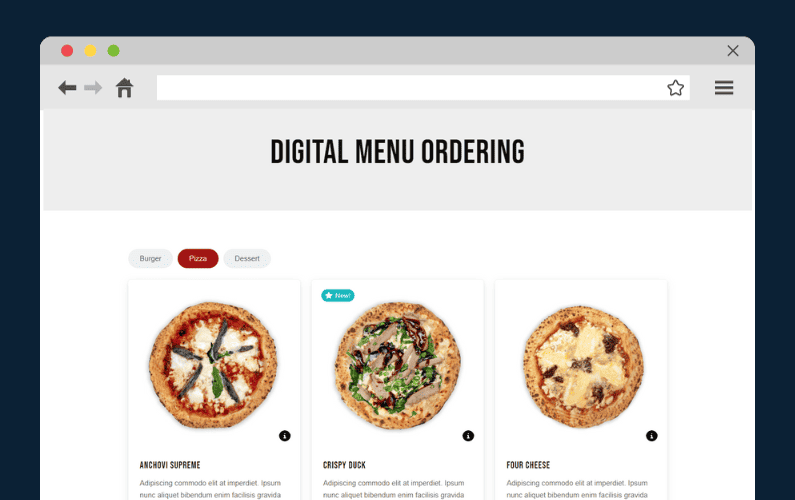
Online ordering and delivery
Take advantage of the market conditions. Customers are looking for convenience, so consider expanding or optimizing your online ordering and delivery services.
For instance, using a plugin like Orderable, if your restaurant website uses WordPress, can allow you to introduce online ordering, delivery, table ordering, and more.
With Orderable, you can:
- Set up online ordering. With Orderable, you’ll be able to create an online ordering menu (that you can customize). Customers can use this menu to order food for delivery, pickup, or table ordering.
- Easy order management. Orderable has an in-built live order page where you’ll be able to see incoming orders, change their status, and send customers updates depending on the state of their order.
- Increase revenue. Orderable comes built with revenue-boosting features that will help you to increase sales online. Customers can customize menu items with add-ons, cross-sell additional dishes, or add a tip option to the checkout.
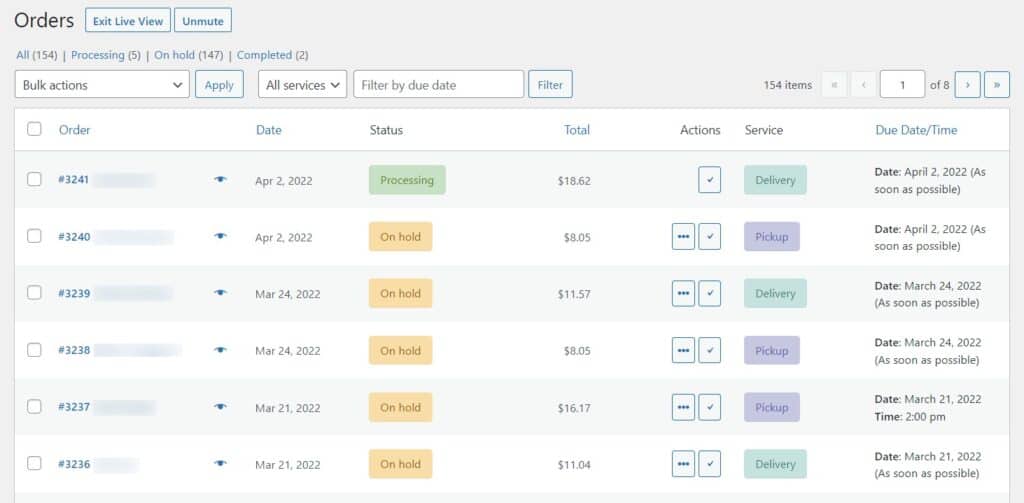
These are just a few of Orderable’s features. Orderable also gives you the ability to completely customize your delivery schedule, add product labels, nutritional information, timed products, and so much more.
Integrating with Orderable represents a significant opportunity within your restaurant’s SWOT analysis.
Get Your Restaurant Business Online With Orderable
Orderable is a user-friendly WordPress plugin that adds online ordering to your restaurant website.
Add your dishes, create your online ordering menu, customize your delivery schedule, and manage orders with ease.
Technology integration
Explore opportunities to leverage technology for various aspects of your restaurant operations. Technology can enhance efficiency and customer experience.
Questions to ask yourself:
- Are you using software to manage reservations and table assignments efficiently?
- Do you offer contactless payment options for customer convenience?
- Are you utilizing customer data to create personalized marketing campaigns?
Community engagement
Engage with the local community to build a strong, loyal customer base. Community involvement can enhance your restaurant’s reputation and foster goodwill.
Questions to ask yourself:
- Are you creating partnerships with nearby businesses for mutual benefits?
- To increase visibility, do you sponsor or participate in local events?
- Are you involved in charitable activities that resonate with your community?
Menu expansion
Introduce new menu items and culinary trends to attract diverse customer segments and drive repeat business. Keeping your menu fresh and exciting can boost customer interest.
Questions to ask yourself:
- Are you regularly updating your menu with new dishes?
- Are you incorporating popular food trends into your offerings?
- Do you run themed promotions to create unique dining experiences?
Health and wellness trends
Cater to health-conscious consumers by offering nutritious options and transparent ingredient sourcing. This can attract a growing segment of health-focused diners.
Questions to ask yourself:
- Do you offer a range of healthy and nutritious menu items?
- Are you transparent about your ingredient sourcing and nutritional information?
- Do you provide menus that cater to common dietary restrictions and allergies?
By identifying and leveraging these opportunities, you can enhance your restaurant’s appeal, attract new customers, and foster loyalty among existing customers.
Now that we’ve explored your opportunities, let’s move on to the next step: assessing potential threats.
Step 4: Threats
This section will focus on identifying external threats that could harm your restaurant.
Recognizing these threats allows you to develop strategies to mitigate their impact and protect your business’s long-term viability.
Competition
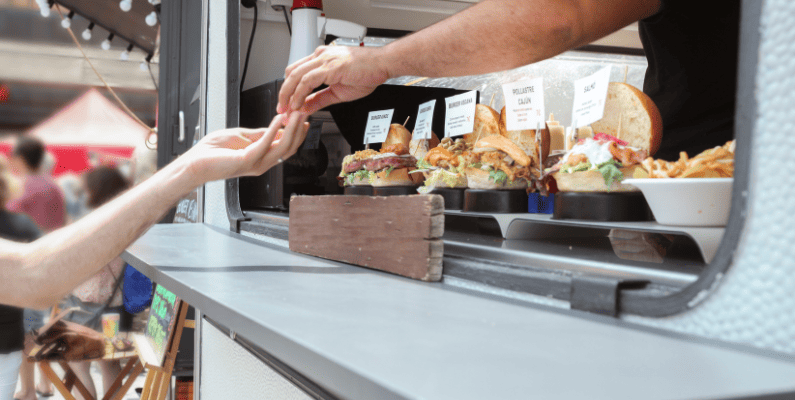
Identify direct and indirect competitors in the market. This includes other restaurants, food delivery services, and alternative dining options such as meal kits and food trucks.
Questions to ask yourself:
- Who are the other restaurants in your area that offer similar cuisine or dining experiences?
- How do food delivery services, meal kits, and food trucks compete for your customers’ dining dollars?
- What strategies are your competitors using to attract customers, and how can you differentiate your restaurant?
Economic factors
Consider the potential impact of economic downturns, inflation, or fluctuations in consumer spending habits on your restaurant’s revenue and profitability.
Questions to ask yourself:
- How could a recession or economic downturn affect your business?
- Are rising costs of ingredients and supplies squeezing your profit margins?
- How might changes in disposable income and consumer confidence impact dining-out trends?
Regulatory compliance
Stay informed about health and safety regulations, licensing requirements, and labor laws that may affect your restaurant’s operations and costs.
Questions to ask yourself:
- Are you compliant with local health codes and sanitation standards?
- Do you have all the necessary permits and licenses to operate legally?
- Are you adhering to labor laws regarding wages, working hours, and employee rights?
Online reviews and reputation management
Recognize the influence of online reviews, social media chatter, and viral incidents on your restaurant’s reputation and brand perception.
Questions to ask yourself:
- How do customers rate your restaurant on Yelp, Google, and TripAdvisor platforms?
- What are people saying about your restaurant on social media, and how are you engaging with them?
- Do you have a plan in place to handle negative reviews or viral incidents that could harm your reputation?
Public health concerns
Mitigate risks associated with foodborne illnesses, sanitation standards, and public health crises by implementing robust hygiene protocols and crisis management plans.
Questions to ask yourself:
- Do you follow best practices to prevent contamination and ensure food safety?
- Are your cleanliness and hygiene standards up to par to prevent health hazards?
- Do you have a plan to address public health crises, such as a pandemic, to ensure the safety of your staff and customers?
By thoroughly assessing these threats, you can develop strategies to mitigate their impact and safeguard your restaurant’s future.
Now that you’ve identified potential threats, you’ve completed the SWOT analysis for your restaurant.
Let’s wrap up and discuss how to use this analysis to drive strategic planning and decision-making.
Put your SWOT analysis for restaurants into place today
Now that you’ve completed a thorough SWOT analysis for restaurants, you’re equipped with valuable insights to guide your strategic planning and decision-making.
By understanding these elements, you can develop actionable strategies to capitalize on your strengths and opportunities, address your weaknesses, and mitigate potential threats.
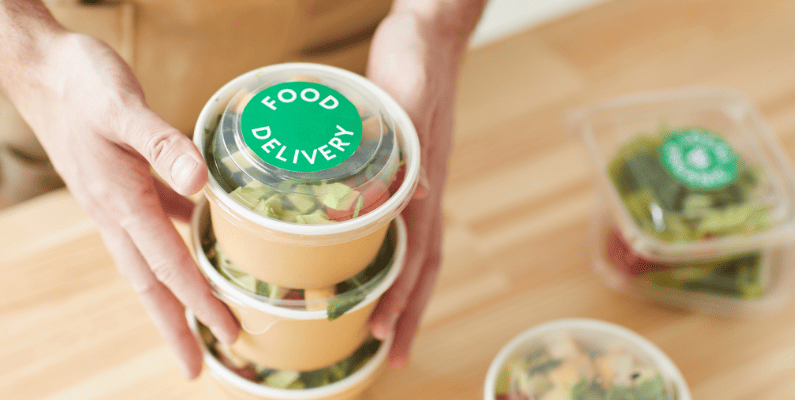
One key opportunity we discussed is enhancing your online ordering and delivery services. Using Orderable will streamline this process, offering convenience to your customers and potentially boosting your sales.
Orderable provides a user-friendly interface and seamless integration, making it easier than ever to manage online orders and deliveries efficiently.
Get Your Restaurant Business Online With Orderable
Orderable is a user-friendly WordPress plugin that adds online ordering to your restaurant website.
Add your dishes, create your online ordering menu, customize your delivery schedule, and manage orders with ease.
Roxana Alexandru is a self-employed instructional designer and content creator specializing in corporate training, e-learning, technical articles, and scripting. She has over a decade of experience working in multiple industries, such as Finance, IT, and product management, to name a few, which gives her a unique perspective on content creation. She has also written extensively on being an introvert, with many articles featured on Introvert, Dear. She is passionate about self-help, personal growth, and seeing life through various lenses. When she’s not thinking about writing, she’s venturing outside with her two kids and husband, often traveling to new places.
Don’t miss out on the latest Orderable news!
Sign up for our newsletter to receive the latest news from the blog, you’ll get pinged every week with a digest of the latest updates.
[fluentform id=”6″]

Related Articles

Introducing Orderable Multi-Vendor Compatibility

How to Do an Internal Restaurant Audit in 2026
Security Advisory: Vulnerability Resolved in Orderable
Get Your Restaurant Online With Orderable
The WooCommerce plugin designed to help restaurants take orders online – with no added fees!
View Pricing