
How to Improve Your Restaurant Customer Journey

How to Improve Your Restaurant Customer Journey


Roxana Claudia

If you want to enhance your restaurant customer journey and make huge improvements to your customer experience, this article is here to help.
The onboarding of your customers needs to be an easy and enjoyable experience if you want them to walk away satisfied and return to your restaurant. See it as a first-lasting impression.
Whether in the discovery phase or the post-dining experience, each step in the customer journey must meet your customer’s expectations, remove pain points, and stand out from competitors.
In this guide, we’ll cover:
- What a restaurant customer journey is.
- The main steps in the customer journey.
- Why the customer experience matters.
- Practical ways to improve your online and in-house customer journey.
Let’s start mapping!
Get Your Restaurant Business Online With Orderable
Orderable is a user-friendly WordPress plugin that adds online ordering to your restaurant website.
Add your dishes, create your online ordering menu, customize your delivery schedule, and manage orders with ease.


What is a restaurant customer journey?
A restaurant customer journey is a customer’s complete experience with your restaurant. If done well, it builds customer loyalty.
It includes every touchpoint, from discovering your restaurant to after their visit. This could happen online, through delivery apps, or in person.
By mapping out this journey, you can identify where improvements can be made to enhance the overall experience and improve customer satisfaction.
What are the steps in a restaurant customer journey map?
By understanding each phase of this journey, you can identify key touchpoints and improve the guest experience at every step.
Let’s walk through each phase with relevant examples so you can refine your customer journey based on your target customers.
1. Discovery
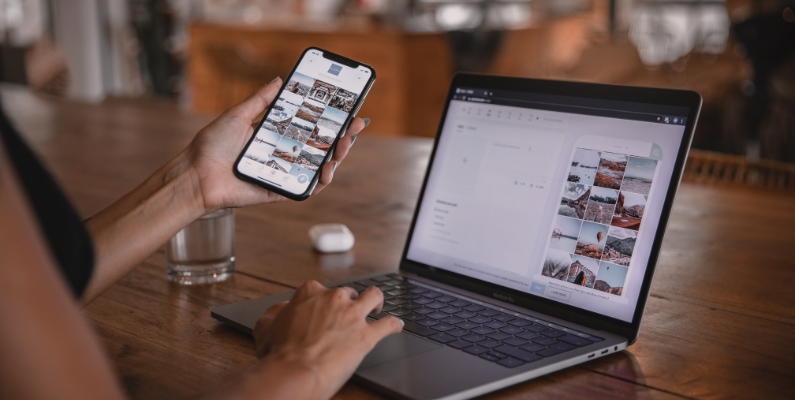
The discovery phase is when potential customers first learn about your restaurant. This can happen through online searches, social media, word of mouth, or local ads. Each method needs its own marketing strategy.
The goal is to grab your restaurant’s attention and attract the right demographics.
Here are some touchpoints:
- Social media posts.
- Google search results (SEO and Google My Business).
- Local advertising.
2. Decision
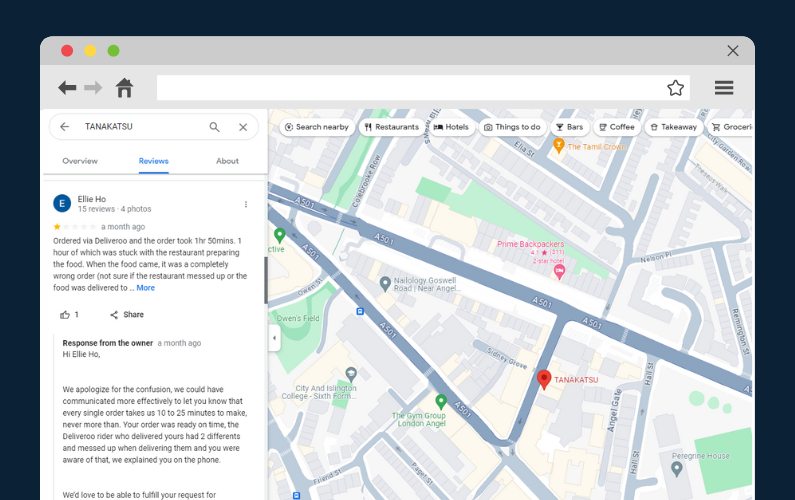
In this phase, customers choose whether to dine at your restaurant. They’re looking at your menu, reviews, pricing, and the overall appeal of your restaurant.
This is your opportunity to highlight what makes you stand out and convince them to choose you over competitors.
Here are some touchpoints:
- Online menu.
- Customer reviews and testimonials.
- Special promotions or offers.

3. Arrival/order placement
For customers ordering online, this phase involves placing their order through your website or mobile app. For those showing up at your door, it’s all about the atmosphere and initial impression.
Here are some touchpoints:
- Online ordering system/staff welcoming.
- Menu offerings (e.g., dietary preferences, meal categories).
- Order confirmation/seating arrangement.
4. Dining experience/delivery or pickup
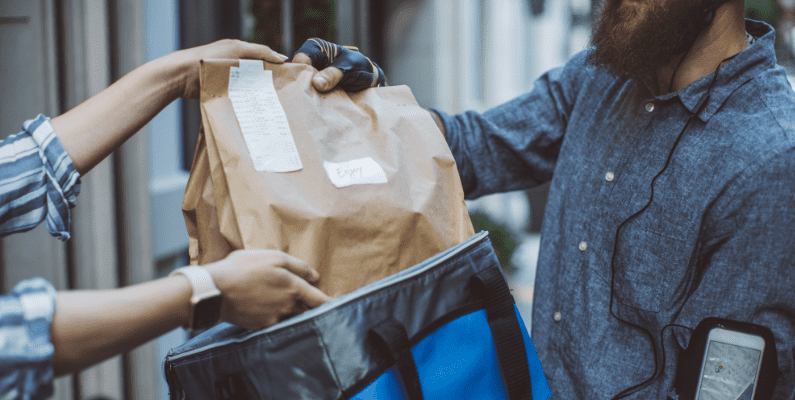
How customers interact with your food by dining in your restaurant or receiving their delivery or pickup order matters to them.
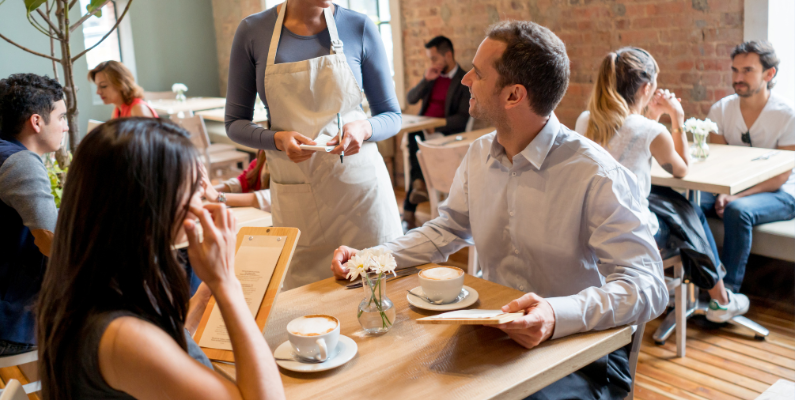
For in-house dining, great service and atmosphere are key. For delivery or pickup, efficiency, and packaging quality matter most.
Here are some touchpoints:
- In-house service or delivery logistics.
- Food quality and presentation.
- Ambiance (for dine-in).
5. Payment
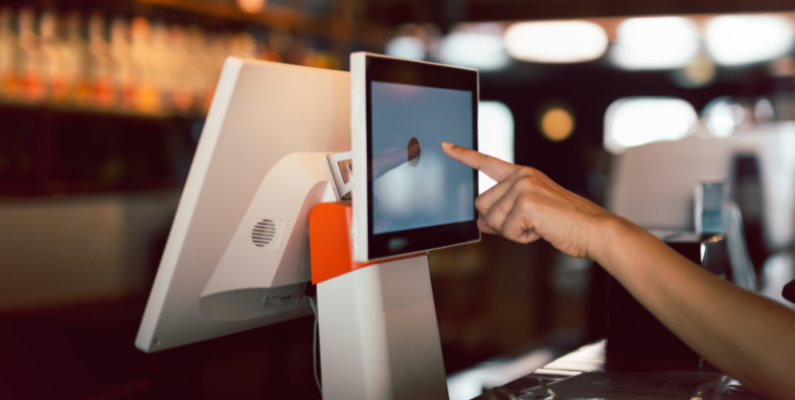
The payment process should be simple. Offering multiple payment methods with no surprise fees will help avoid frustration at this critical point in the journey.
Here are some touchpoints:
- Multiple payment options (e.g., cards, mobile payments, digital wallets).
- Transparent fees and clear billing.

6. Post-Experience
The post-purchase phase is an opportunity to turn satisfied customers into loyal ones.
Follow-up interactions like thank-you messages, feedback requests, and loyalty programs help keep customers engaged and encourage them to return.
Here are some touchpoints:
- Feedback requests (e.g., surveys or review invitations).
- Loyalty programs.
- Exclusive offers or promotions.
Each one of these steps in the restaurant customer journey map represents the key touchpoints where customers interact with your restaurant and form lasting impressions.
Now, let’s see why they are important to the success of your business.

Why does the restaurant customer experience matter?
When customers have a good experience every time they visit you, they’re more likely to keep returning, leave positive reviews, and spend more money.
Here are three big reasons why mapping out the customer experience is essential.
Increased customer retention and loyalty
Customers who enjoy their visits will likely return, spending more over time. Loyal customers don’t mind high prices as much. They’ll also often recommend the restaurant to friends and help increase sales.
📈 A positive experience also encourages repeat visits, which increases lifetime value. According to studies, a 5% increase in customer retention can lead to a 25% to 95% boost in profits, demonstrating the financial power of loyalty.
Better brand reputation
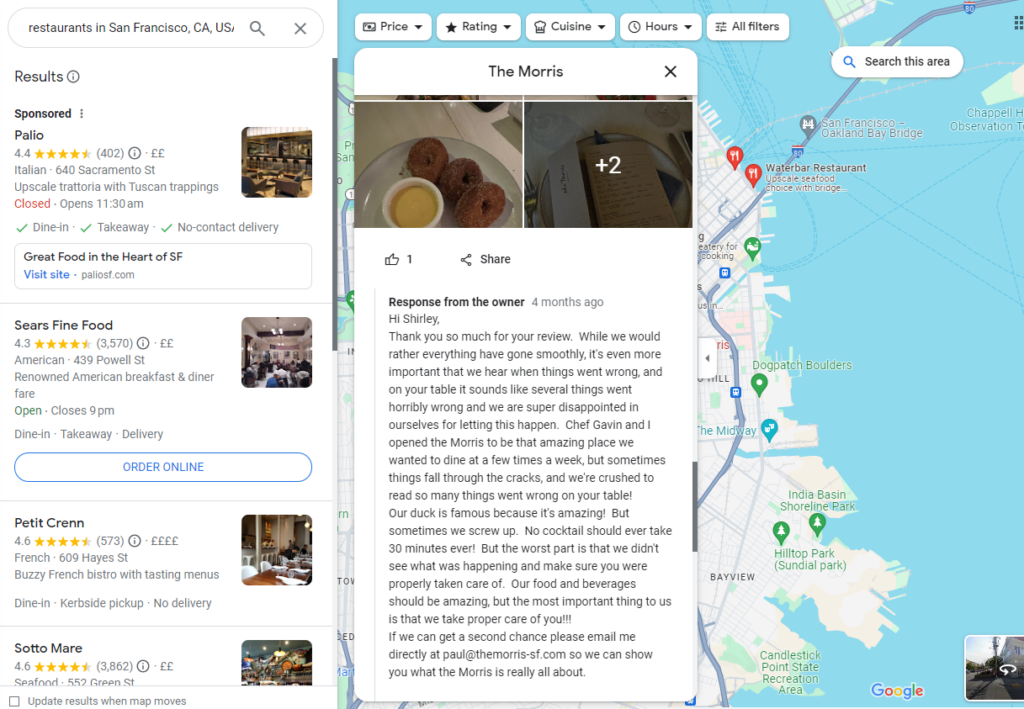
Happy customers talk about their experiences, leave good online reviews, and recommend your restaurant business to others. Since many people check reviews before trying a new restaurant, having positive feedback is crucial.
📈 For example, nearly half of people are more likely to eat at a restaurant with good reviews, and many will avoid a place if its ratings are low. 46% of consumers are more likely to dine at a restaurant after reading positive reviews, while 43% of potential customers will avoid a restaurant if its rating falls below 3 to 3.5 stars.
Increased customer spend
Customers who are happy with their experience are more likely to try new things on the menu. Including items that make the restaurant more money, like drinks and desserts. By ensuring each visit is enjoyable, a restaurant can increase how much money customers spend each time they dine.
In short, focusing on making sure customers have a great time helps the restaurant make more money and build a good reputation in the community.
How can I improve the customer journey in my restaurant online?
Making the online experience easy and enjoyable for customers is crucial. A smooth online process can increase customer satisfaction, encourage repeat visits, and streamline restaurant operations.
Here are a few straightforward ways to better the online experience.
1. Discovery: Increase online visibility
This step is about how new customers find out about your restaurant, whether through online searches, social media, or recommendations from friends.
It’s the start of your restaurant’s relationship with potential customers, and understanding their behaviors and preferences is key.
Here’s how to improve this phase:
- Restaurant website. Treat your website like a digital storefront. It’s often the first place potential customers go to check out your menu, location, hours, and other important details. Making sure your website is inviting and informative is crucial. With Orderable, you can display all these elements and more (as we will see in just a second). Orderable is a WordPress plugin designed to make online ordering easy and seamless for both you and your customers. It integrates directly into your WordPress website, allowing customers to browse your menu, customize their orders, and place them quickly without visiting a third-party platform.

- Social media posts. Social media platforms like Instagram, Facebook, and TikTok are crucial for spreading the word. They let you show off what’s unique about your restaurant’s food and atmosphere.

- Google search results (SEO and Google My Business). SEO helps your website show up in search results for relevant keywords (like “best Italian restaurant in [city]”). Google My Business is essential, too, as it displays your location, reviews, photos, and hours right in Google’s search results.
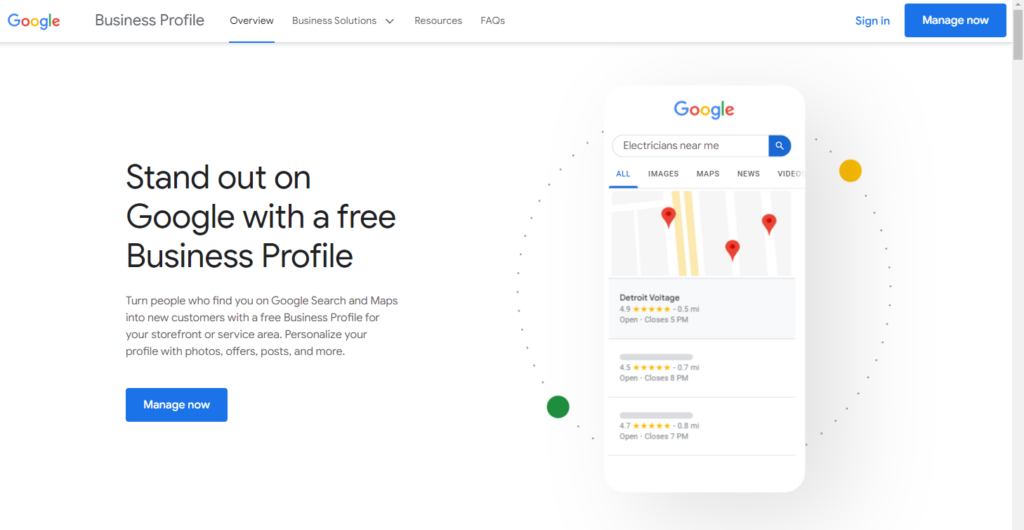
Focusing on these areas helps make your restaurant more visible and appealing to new customers, increasing the chances they’ll visit your site and choose your restaurant over others.
2. Decision: Simplify the choice
Once people know about your restaurant, the next step is for them to decide whether to visit or order from you. Understanding what influences their choices, like dietary needs, special deals, or reviews, is key to swaying their decision.
Here are some important points in the decision-making phase:
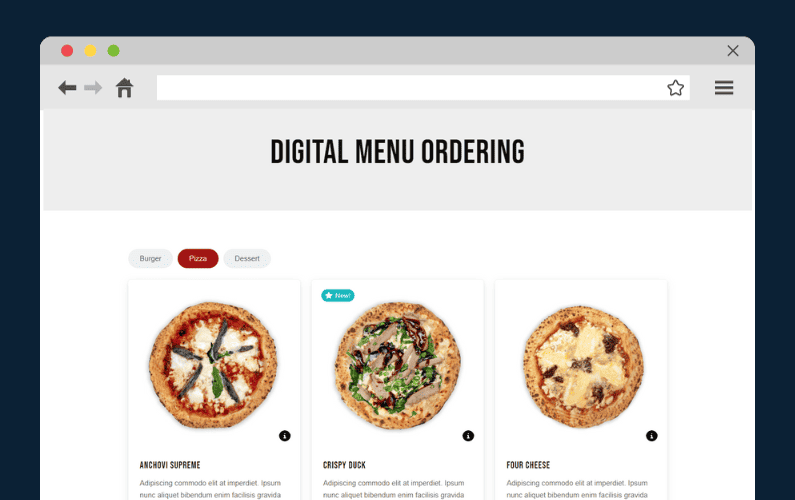
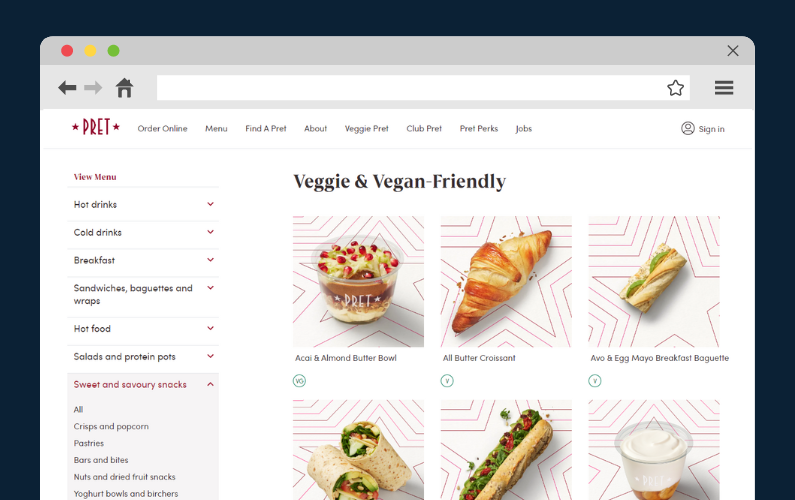
- Online menu. Your menu is a crucial tool. A clear and well-organized online menu with descriptions, prices, and dietary information helps customers quickly see if your restaurant fits their needs.
- Highlight best sellers and offers. Make sure the best-selling dishes and special offers are easy to find when customers arrive on your website. This can grab their attention and help them make a choice faster.
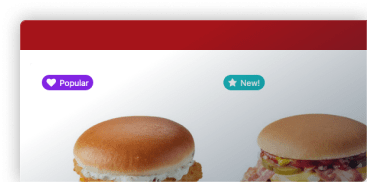
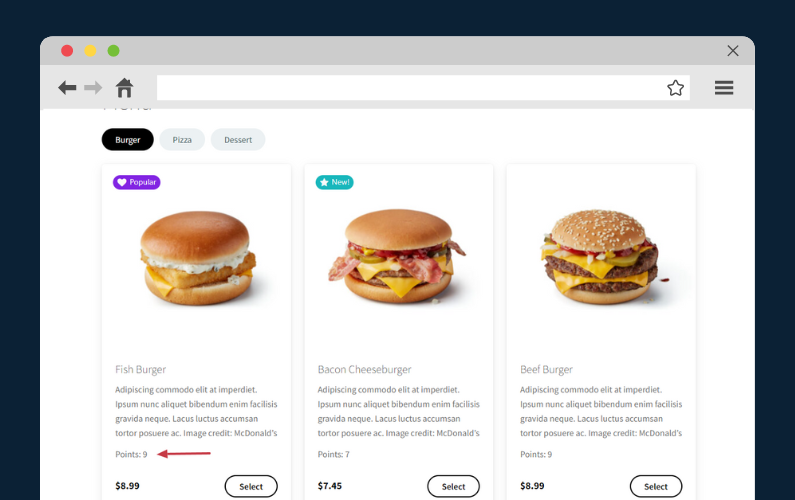
With Orderable’s product labels, you can immediately make it easier for customers to decide what they want to order, depending on their preferences.
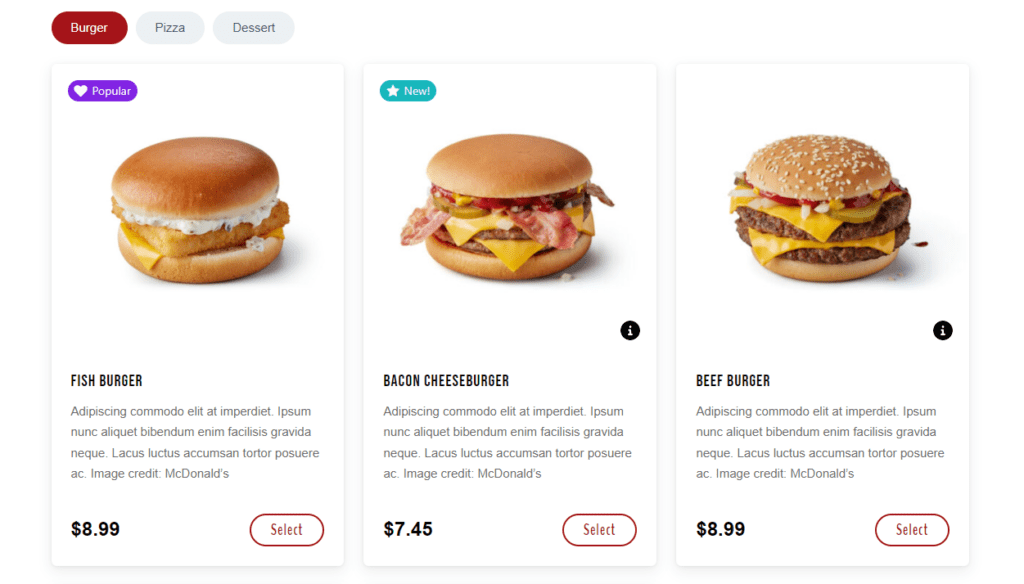
- Here are a few reasons why you need product labels:
- Dietary categories. Labels like vegan or gluten-free can guide customers with specific dietary requirements.
- Meal types. Filters for breakfast, lunch, or dinner help customers find appropriate dishes.
- Special tags. Highlight new dishes, limited-time offers, or popular choices to draw attention to particular items.
- Customer reviews. Reviews are often one of the first things potential customers look at. Positive feedback can quickly establish trust and prove your restaurant is worth trying.
By effectively using these tools to showcase what’s unique about your restaurant—from your menu to glowing reviews – you can turn interested visitors into paying customers.
3. Order placement: Make it seamless
Ensure a seamless and welcoming experience, whether customers walk into your restaurant or use your online ordering system, which is vital for making a great impression.
Here are some essential points during this phase:
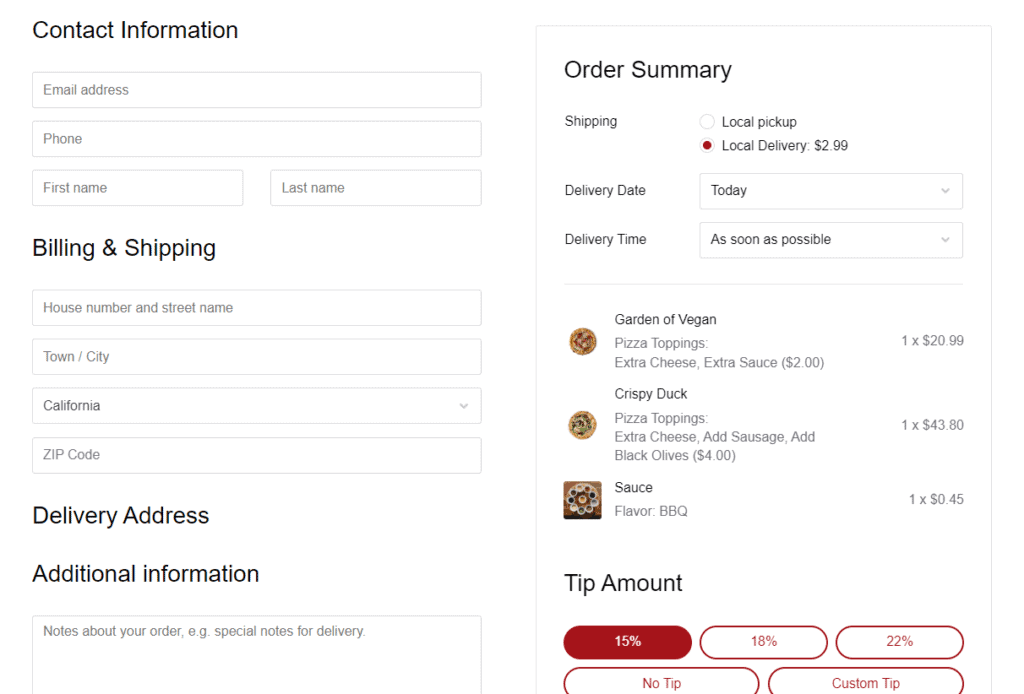
- Online ordering platform. Adding online ordering to your website can significantly increase sales. The easier it is to reserve a table or place an order, the more likely customers will choose your restaurant. With Orderable, you can offer that to your customers while reaping plenty of benefits.
- Here are some of the features Orderable has to offer:
- Integrates directly into your website without any coding required.
- Allows your customers to browse your menu (you can customize the layout).
- Customers can personalize and place orders quickly without visiting a third-party platform.
- Gives the customer a fast and hassle-free checkout process (reducing checkout abandonment).
- Order confirmation and notifications. Sending immediate confirmations and updates about order status (like delivery or pickup time) reassures customers and keeps them informed.With Orderable’s order notifications, you can send real-time updates to keep your customers informed and engaged.
- Custom order statuses to keep customers updated in real-time.
- Option to send notifications through various channels like WhatsApp or SMS.
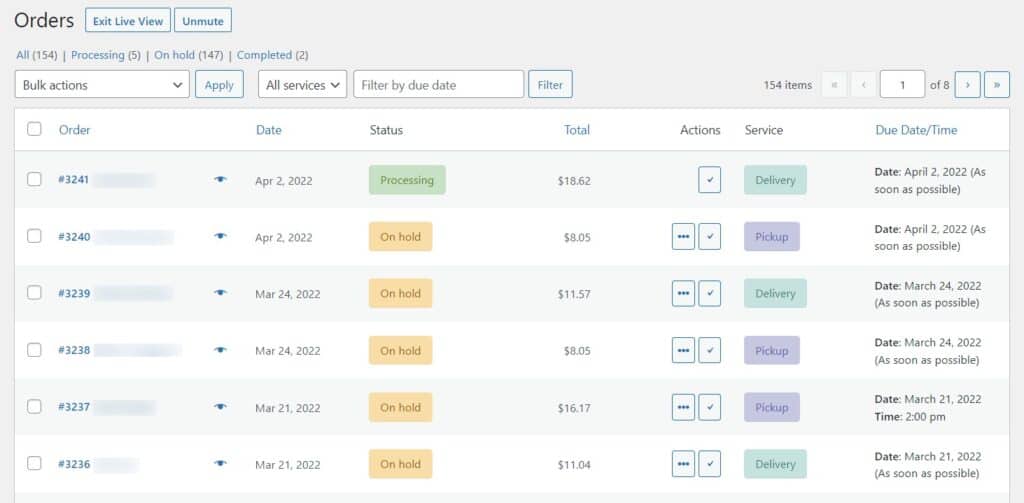
Focusing on these aspects makes the order placement stage less of a hassle and a pleasant experience, encouraging customers to return and help build long-term customer loyalty.
4. Delivery/pickup experience: Ensure efficiency
The moment customers receive their meal, whether through delivery or pickup, is crucial in your restaurant customer journey. Making this experience efficient and satisfying can leave a great impression.
Here are the key touchpoints during this phase:
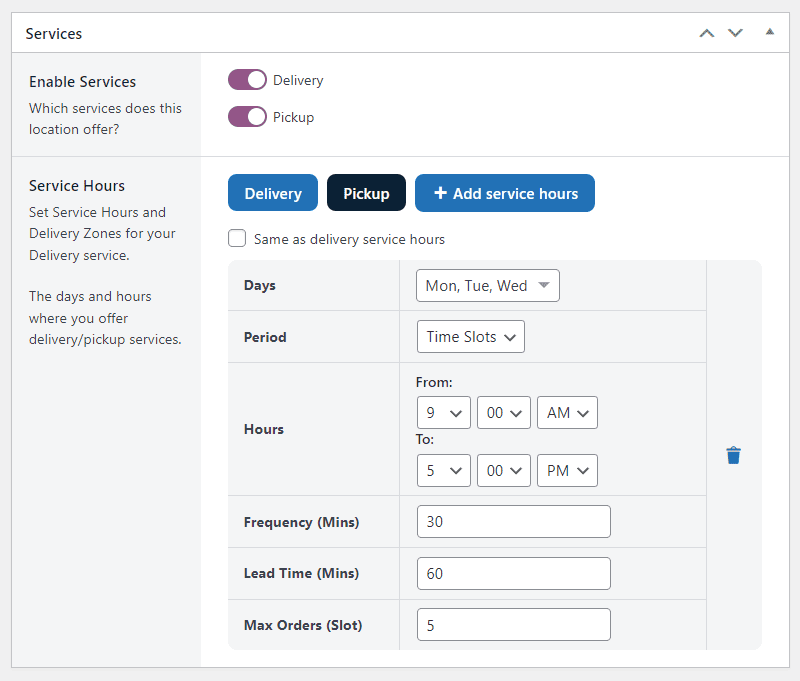
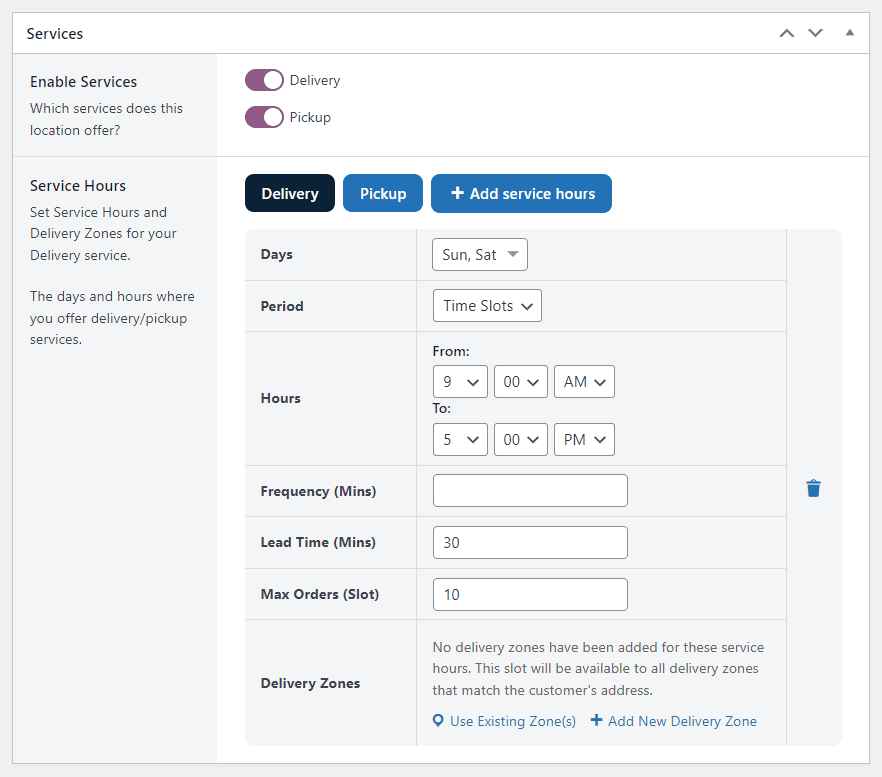
- Realistic delivery or pickup times. Offering precise delivery slots or allowing customers to choose an exact pickup time reduces wait times and ensures fresh food. Orderable will help you set clear time windows for pickup or delivery so your customers know exactly when to expect their meal. Here are some benefits to that:
- You can create pickup/delivery time slots or allow for ASAP pickup/delivery.
- You can automate time slot reminder emails for your customers.
- Order status updates and communication. It is crucial to keep customers informed with real-time notifications about the order status, like when it’s being prepared, on its way, or ready for pickup. This proactive communication helps manage expectations and mitigates disappointment in case of delays.
- Proper packaging for delivery and pickup. Good packaging maintains the food’s temperature, prevents spills, and keeps everything in place. Clear labels, particularly for orders with dietary restrictions or group orders, ensure that customers know exactly what they receive.
Offering accurate timing, real-time updates, and thoughtful packaging will leave a positive, lasting impression that encourages customers to return.
Get Your Restaurant Business Online With Orderable
Orderable is a user-friendly WordPress plugin that adds online ordering to your restaurant website.
Add your dishes, create your online ordering menu, customize your delivery schedule, and manage orders with ease.
5. Payment: Simplify and secure
The payment process is a vital part of the restaurant customer journey, often the final step before an order is completed. A smooth, secure, and clear payment process leaves a good impression and reassures customers.
Here are the main elements to focus on during the payment phase:
- Multiple payment methods. Offering various payment options ensures that customers can pick the most convenient method. This includes traditional methods like credit or debit cards and modern options like Apple Pay, Google Pay, and digital wallets like PayPal.
- Transparent fees and pricing. Avoid surprising customers with hidden fees or unclear costs. Unexpected charges like delivery fees, service charges, or taxes can frustrate customers and harm their trust in your service. It’s best to display all fees throughout the ordering process.
- Fast and secure checkout process. The checkout should be quick and secure. Eliminate the need for unnecessary data entry and reduce the number of steps required to finalize a purchase, ensuring a hassle-free transaction.
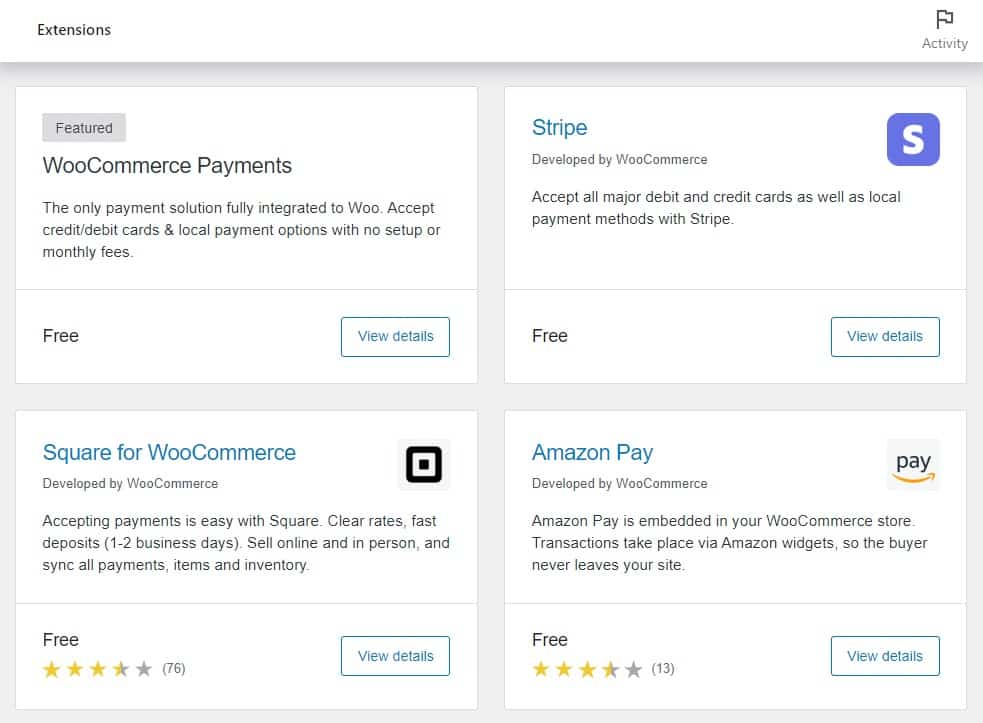
A seamless payment experience reflects positively on your restaurant, encouraging customers to return, confident they can rely on a straightforward and secure transaction.
6. Post-experience: Build loyalty
The post-experience phase is key to transforming first-time customers into regular patrons. A strategic approach to this phase encourages customers to return and share their positive experiences with others.
Here are some important aspects to consider during the post-experience phase:
- Request for feedback and reviews. Asking customers for feedback is crucial for improving your service and building social proof. A follow-up message asking for their thoughts can make customers feel valued and listened to, while positive reviews can attract new customers.
- Loyalty program invitations. A loyalty program can be a powerful tool to keep customers returning. Offering rewards like points for every purchase, discounts on future orders, or exclusive deals for members can motivate customers to continue choosing your restaurant.
- Exclusive offers and promotions. Sending exclusive or special offers after a customer’s visit is an excellent way to keep them engaged. These might include discounts on their next order, invitations to special events, or first dibs on limited-time menu items.
A well-planned post-experience strategy ensures customers remember your restaurant fondly and feel appreciated, which is essential for long-term success and growth.
How can I improve the customer journey in my restaurant?
Let’s look at your customers’ journey, considering whether they should visit your restaurant in person.
While much of your restaurant’s visibility begins online, it’s equally important to focus on local, in-person visibility to attract foot traffic and ensure your restaurant stands out in the community.
1. Discovery: Increase visibility
Boosting visibility is the initial step in attracting customers to your restaurant, aiming to make it a popular choice among diners.
Here are effective strategies to enhance visibility for your in-restaurant experience:
- Update and optimize your restaurant’s exterior. The outside of your restaurant is often the first thing potential customers will notice. Maintaining a clean, welcoming exterior with clear signage, good lighting, and attractive window displays can entice people walking by to come inside.
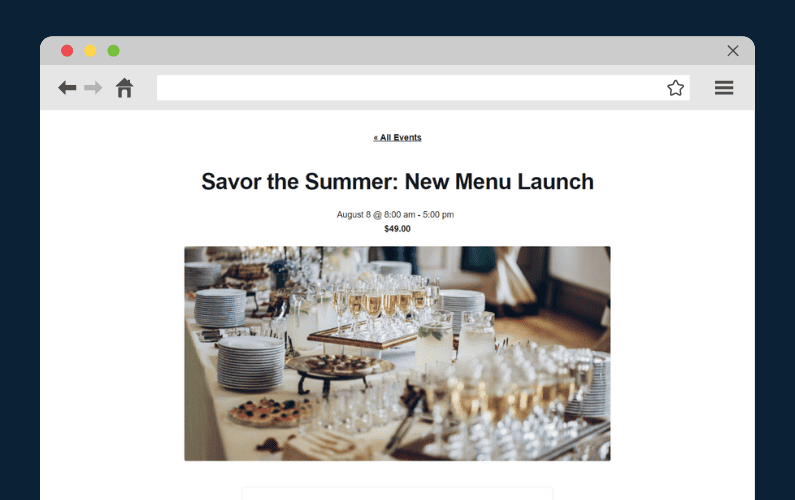
- Local community events. Participating in community activities, such as sponsoring events, hosting food tastings, or collaborating with local artists and musicians, can help your restaurant become a well-known spot in the neighborhood and attract new customers.
- Collaborate with local influencers or bloggers. Working with local influencers or bloggers to have them visit and promote your restaurant can generate excitement and draw in more visitors. Their reviews and social media posts can reach a broad audience and create a buzz around your dining experience.
Enhancing your physical presence and engaging with the community can increase foot traffic and introduce new diners to your restaurant.

2. Decision: Make It easy to choose you
Making it simple for customers to decide to dine at your restaurant involves presenting what sets your establishment apart and ensuring all details, from the menu to the ambiance, meet their expectations.
Here are effective ways to streamline the decision-making process for your customers:
- Clear and inviting menu display. A clutter-free menu with transparent pricing, descriptions, and dietary information helps customers quickly understand what you offer and decide if it suits their preferences.
- Flexible reservation or walk-in policies. Making it easy to dine at your restaurant is crucial. If you take reservations, streamline the booking process through your website, phone, or apps like OpenTable. For walk-ins, communicate expected wait times and seating policies (like updates on wait times and comfortable waiting areas), so customers feel encouraged to visit without second thoughts.
- Promote special offers and events. Highlight special deals like lunch discounts, themed dining nights, or happy hour specials. Ensure these promotions are well-advertised outside and inside your restaurant to catch the attention of potential diners.
By clarifying what your restaurant offers and making the choice as effortless as possible, you’ll attract more customers and encourage them to return, enhancing customer retention.

3. Reservation/arrival: Create a warm welcome
A smooth, friendly, and efficient reservation and arrival process is key to making customers feel valued and excited about their dining experience. It’s essential to make a positive first impression right from the moment they step inside.
Here are some strategies to ensure a warm welcome during the reservation and arrival phase:
- Easy and flexible reservation system. Provide a reservation system with flexible booking options and real-time availability to let customers easily schedule their visits. Ensure they receive immediate confirmation and timely reminders as their reservation date approaches.
- Deliver friendly, professional greetings. The host or greeter is often the first person customers interact with. Train your front-of-house staff to greet customers warmly, make eye contact, smile, and promptly acknowledge them as soon as they arrive.
- Accommodate special requests or preferences. Paying attention to special requests, such as seating guests in a quieter area, providing high chairs for families, or accommodating dietary needs, demonstrates that your restaurant is considerate and dedicated to ensuring a great dining experience.
Creating a warm welcome during the reservation and arrival phase ensures guests feel valued and comfortable when choosing your restaurant.

4. Dining experience: Make it count
The dining experience is central to your restaurant customer journey, combining quality food, attentive service, and the right ambiance to create memorable moments.
Here are crucial ways to enhance the dining experience:
- Train staff to be attentive, friendly, and knowledgeable. Servers should be trained to provide prompt and courteous service, anticipating customer needs without being overbearing. The polite and knowledgeable staff can enhance the dining experience, even when minor issues arise.
- Ensure timely and accurate order taking. Guests should be greeted and have their orders taken shortly after being seated. Implement systems to reduce order errors and encourage staff to double-check details, particularly for customized meals or special requests.
- Consistently monitor guest satisfaction. Simple gestures like asking if everything is to their liking, refilling drinks without being asked, or offering dessert options once the meal is finished help maintain a high service level.
By focusing on every detail during the dining experience, from the quality of the food to the staff’s attentiveness and the restaurant’s atmosphere, you create an environment where customers feel valued and cared for.
5. Payment: Make it simple and transparent
The payment process is the final step in the dining experience and significantly impacts your lasting impression on customers. Making this process straightforward and clear can ensure customers leave happy and are more likely to return.
Here are essential ways to streamline and ensure transparency during the payment process:
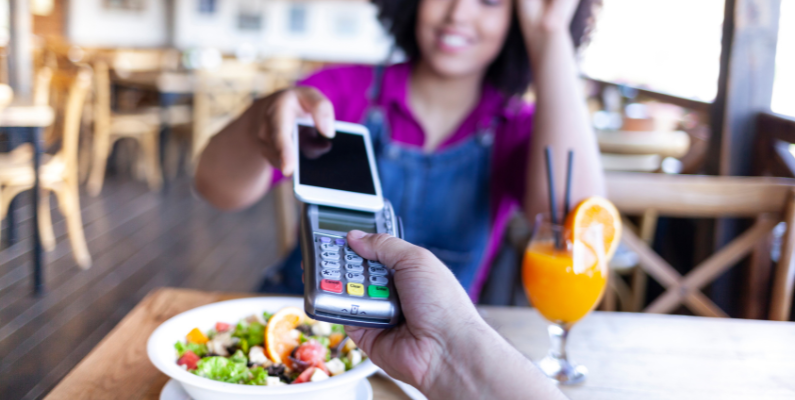
- Offer multiple payment options. Providing a variety of payment methods allows customers to choose the one that suits them best, whether it’s cash, credit, mobile payments, or digital wallets.
- Clear and itemized bills. A clear, itemized bill helps prevent misunderstandings and makes it easier for customers to review their charges. Each dish, drink, or service fee should be listed with corresponding prices.
- Gratuity options without pressure. If tipping is customary at your restaurant, make the process transparent and pressure-free. While suggesting tip amounts can guide customers, they should always be free to choose a custom amount or opt not to tip if that is their preference.
The payment phase should be as simple and transparent as possible to ensure a positive end to the dining experience. A smooth, hassle-free payment experience is crucial for customer satisfaction and encourages repeat visits.

6. Post-purchase: Encourage loyalty
The period after customers have visited your restaurant offers a significant opportunity to foster loyalty and encourage repeat visits. Maintaining a connection through thoughtful follow-ups, feedback requests, and rewards shows customers that you value their patronage.
Here are effective strategies to encourage loyalty after the dining experience:
- Send a personalized thank-you message. A personalized thank-you message can make customers feel appreciated and remembered. This message could include a special discount for their next visit or information about upcoming promotions or events at your restaurant.
- Request customer feedback or reviews. Asking customers to share their thoughts about their experience is a great way to show that you value their input. Empower them to leave feedback through a simple survey or a request to leave a review on platforms like Google, Yelp, or TripAdvisor.
- Engage on social media. Continuing the conversation with customers via social media is a great way to keep your restaurant at the top of your mind. Engaging customers in posts or sharing user-generated content, like photos of their dining experience, fosters a sense of community and makes them feel valued.
Focusing on these post-experience interactions can turn satisfied customers into loyal ones who are more likely to return and recommend your restaurant to others. The more customers feel valued, the more likely they will continue choosing your restaurant.

Get to grips with your ecommerce customer journey today
In this guide, we’ve walked through the essential stages of a restaurant customer journey and shared practical ways to elevate your online and in-person experience. From first discovery to post-dining follow-ups, each step offers an opportunity to enhance satisfaction and build loyalty.
With tools like Orderable, you can streamline your online ordering process, improve customer interactions, and ultimately increase revenue.
By creating a seamless online and in-house restaurant customer journey, you’ll meet and exceed customer expectations, driving your restaurant toward long-term success.
Start optimizing your customer journey today and watch your restaurant grow!
Get Your Restaurant Business Online With Orderable
Orderable is a user-friendly WordPress plugin that adds online ordering to your restaurant website.
Add your dishes, create your online ordering menu, customize your delivery schedule, and manage orders with ease.
Roxana Alexandru is a self-employed instructional designer and content creator specializing in corporate training, e-learning, technical articles, and scripting. She has over a decade of experience working in multiple industries, such as Finance, IT, and product management, to name a few, which gives her a unique perspective on content creation. She has also written extensively on being an introvert, with many articles featured on Introvert, Dear. She is passionate about self-help, personal growth, and seeing life through various lenses. When she’s not thinking about writing, she’s venturing outside with her two kids and husband, often traveling to new places.
Don’t miss out on the latest Orderable news!
Sign up for our newsletter to receive the latest news from the blog, you’ll get pinged every week with a digest of the latest updates.
[fluentform id=”6″]

Related Articles
Should You Offer Black Friday Restaurant Deals This Year?
5 Steps to Building a Professional Restaurant Website

How to Improve Restaurant Customer Service in 2026
Get Your Restaurant Online With Orderable
The WooCommerce plugin designed to help restaurants take orders online – with no added fees!
View Pricing