
How to Put Together a Restaurant Marketing Plan in 2026

How to Put Together a Restaurant Marketing Plan in 2026


Roxana Claudia

Looking to put together a restaurant marketing plan this year but don’t know where to start? This guide is here to help.
Writing an effective (and successful!) restaurant plan can be daunting, especially if you’ve never done one. However, having one can be the difference between keeping the status quo and boosting your restaurant’s visibility.
Knowing where to start can be the hardest part, so we’ve designed a guide to ease you into it and set you on the path to success.
We’ll walk you through:
- Identifying your target audience and understanding what they like.
- Using social media platforms to enhance your reach and engagement.
- Creating unique promotions and events that capture your audience’s attention.
- Using feedback and reviews to refine your strategy.
No matter if you’re a small business, new restaurant, or existing and established one, setting up your restaurant marketing plan is extremely important. So let us walk you through it.
Get Your Restaurant Business Online With Orderable
Orderable is a user-friendly WordPress plugin that adds online ordering to your restaurant website.
Add your dishes, create your online ordering menu, customize your delivery schedule, and manage orders with ease.


How to put together your restaurant marketing plan
Putting a marketing plan together is more than just brainstorming what will go into your newsletter. It’s about having a holistic and all-encompassing approach that seamlessly connects all the parts. Almost like having an entire business plan, but made up of only marketing goals.
Let’s build a solid structure to ensure your marketing strategy directly supports your overall business objectives. It will be a frustrating hit-or-miss game if the targets aren’t aligned properly.
How to format your restaurant marketing plan
Before you work on the details, you need a marketing plan template to house them. The tool you use for the format needs to suit the type of team you have and your comfort with using it.
Many restaurateurs find that a dynamic document, like a Google Doc or another type of collaborative spreadsheet, is easier to manage for real-time updates and team collaboration.
Others may prefer a more formal presentation style, such as a PowerPoint, especially when sharing strategies with potential investors or partners. Choose a practical format that suits you and your team.
Once you have your format in place, you can begin to fill it with detailed strategies.

Step 1: Set your restaurant marketing plan goals
Setting clear, measurable goals at the beginning of your marketing planning process is the most important step of all. Start with the end in mind and work your way back.
Define what success looks like to you
While this might feel extremely difficult to pinpoint, it helps visualize your desired outcome. Think of a few milestones you would love to reach along your business’s journey.
Consider the most important pillars: financial success, brand recognition, customer loyalty, and team satisfaction. For example, success might look like having a packed restaurant every weekend, amazing five-star reviews online, or having a culinary award given to you.
One way to expand on your vision is to ask yourself relevant questions related to your business, such as:
- What are my financial targets for the coming year?
- What customer metrics are important to my business?
- What methods will I use to enhance my restaurant’s visibility locally?
- What are my restaurant’s key challenges, and how can I address them?
- What are my community engagement and sustainability goals?
You can also conduct a swot analysis, where you pinpoint your Strengths, Weaknesses, Opportunities, and Threats to get a better overview of your restaurant’s current situation.
Set measurable objectives in place
Once you have a vision in mind, the next step is to break it down into measurable objectives. This will make it much easier to track and see whether you’re hitting the targets or falling short of them.
Measurable objectives should be specific, achievable, relevant, and time-bound (SMART criteria). For instance, rather than simply aiming to ‘increase sales,’ a measurable objective would be to ‘increase dinner sales by 15% within the next six months.’
Other examples include reducing customer wait times by 30% by the end of the quarter, growing your social media following by 500 new monthly followers, or enhancing customer retention by 15%.
These goals will guide all your restaurant marketing strategies because every goal should align with your broader business objectives.

Align your goals with the overall business strategy
It’s important to make sure that every effort contributes towards your big vision of your restaurant. This means that your marketing, operational, and financial planning efforts are tied directly to your long-term restaurant business goals.
For example, if your overarching strategy is to become the number one vegan restaurant in your city, your goals might be to implement eco-friendly practices, source ingredients locally, and market these efforts to attract the right audience.
Similarly, if expanding to multiple locations is a long-term goal, you might focus on automating your processes to make them easier to adapt and transfer to other locations.
You can now focus on your target customers with your goals clearly defined.

Step 2: Outline your target audience
Understanding your target audience is essential for any marketing strategy to be successful. This section will identify your customers, their dining preferences, and how best to reach them.
Analyzing demographic and psychographic data
Understanding your customer base’s demographic and psychographic characteristics will make your life easier when it comes to tailoring your marketing efforts. It will also attract the right customers.
- Demographic data includes age, gender, income, education level, and marital status. Analyzing this data helps you understand who your customers are so you can properly target them with relevant offers and menu items.
- Psychographic data, on the other hand, is lifestyle, values, attitudes, and interests. This type of data gives deeper insights into why customers may choose your restaurant, why they prefer the food they do, and how they view themselves and their preferences.
For instance, a restaurant might discover that its core customers are health-conscious individuals who value organic, locally sourced ingredients. The restaurant can then emphasize these in the menu and its marketing efforts.
Identifying customer preferences and expectations
To meet and exceed customer expectations, you must first understand what your customers value when making restaurant reservations.
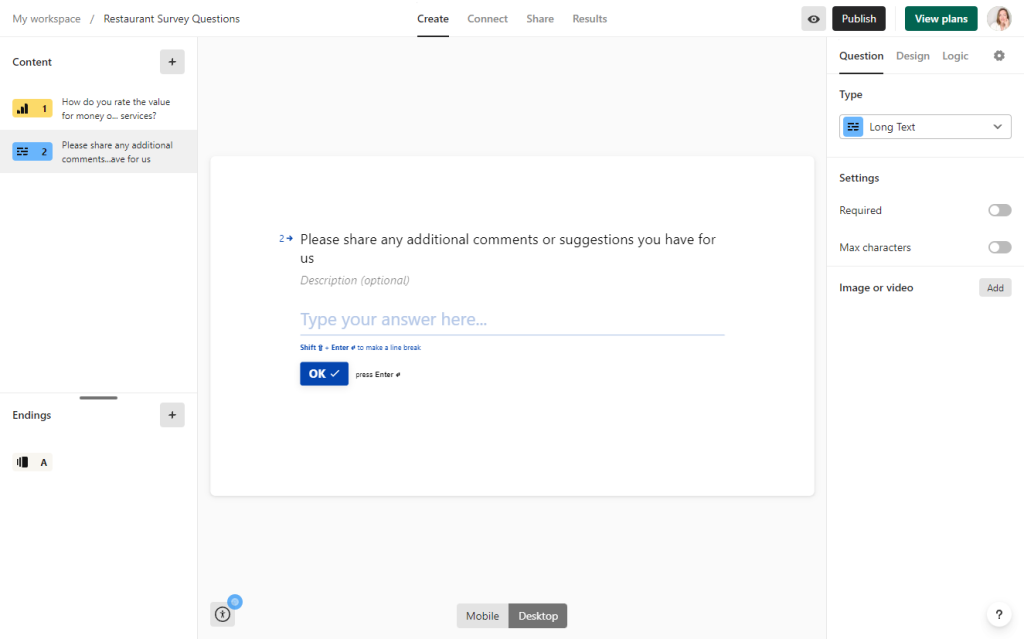
You can grab this information through direct feedback, social media channels, review analysis, and customer surveys. You can ask them what they like about your menu, if the prices are fair, what they think about the service, and the ambiance of your restaurant.
For example, if feedback shows that your customers value quick service and convenience, you might offer them an easy way to order by adding a dedicated takeout counter.
Knowing their preferences will help you enhance their satisfaction and loyalty.

Segmenting your market to tailor communications
Segmenting your market is about dividing your potential customer base into groups with similar characteristics. This strategy allows for more targeted and effective marketing communications.
You can break them down by demographic details, buying behavior, customer lifecycle, and psychographic criteria. For instance, one segment might include young professionals who prefer to eat out during weekdays for lunch, while another could consist of local families who are more likely to visit on weekends.
This makes personalizing your marketing and offers easier for each specific group. For example, sending out special offers for business lunch specials to young professionals and offering family combo deals on weekends.
Effective segmentation ensures that your marketing efforts are more focused, potentially increasing return on investment (ROI) and improving customer engagement.
📈 A study found that email marketing targeted to segmented groups had 14% higher open rates.
Step 3: Do some market research
This is the part where you stay ahead of your competitors and in line with your customers’ expectations. Market research will help you identify trends, recognize opportunities, and understand the threats facing your business.
This part of your restaurant marketing plan must be well-researched to get the best results. If you don’t understand what is happening in the market, you’ll always play catch up and lose sight of where your business is in relation to it.
Do a thorough competitor analysis
Researching your competitors is a key component in developing your restaurant marketing plan. If done properly, it will help you understand your position and pinpoint areas for competitive advantage.
By analyzing what your competitors are doing well and where they are falling short, you can discover opportunities to stand out. Look through their menu offerings, pricing strategies, marketing tactics, service quality, and technological innovations.
Additionally, observing how competitors adapt to market changes can provide valuable insights into effective practices and emerging challenges.

Identify the main trends
Stay relevant by keeping up with industry trends. This will also help you be ready to jump on new opportunities. Keeping a close eye on trends means monitoring consumer behavior, technological advancements, and economic factors that impact the restaurant industry.
Think about the growing popularity of plant-based diets and sustainable eating and the use of artificial intelligence in customer service and operations.
For instance, offering a digital menu and online ordering system during the COVID-19 pandemic. Keeping a pulse on trends allows you to adapt your business model to stay ahead of the curve.
Collecting feedback and improving customer satisfaction.
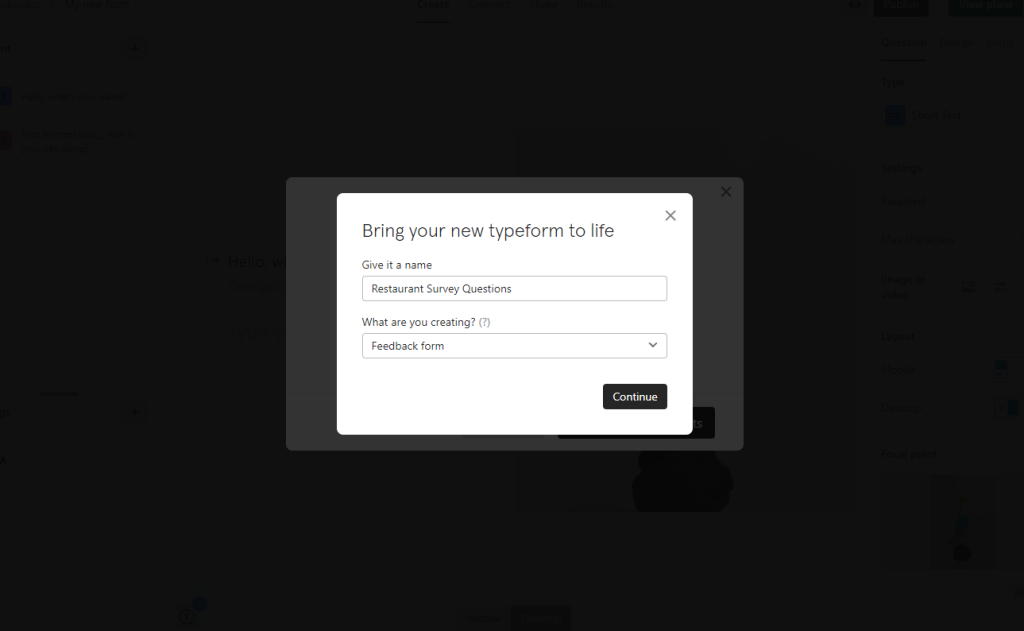
Collecting and analyzing customer feedback is crucial to keeping a pulse on the direction of your business. Customer feedback helps you see which areas of your restaurant need improvement and which are doing exceptionally well.
This feedback can be gathered through various channels such as online reviews, social media, customer surveys, and direct communication during service.
What is most important is to find a tool or a system that helps you collect and review incoming feedback so you can easily pinpoint what customers have to say about their experience with your restaurant (and then make the necessary adjustments).
For example, if customers frequently comment on the wait times, you might consider optimizing your staffing or kitchen processes to improve efficiency.
With this data, you can craft marketing strategies that resonate with your target market.
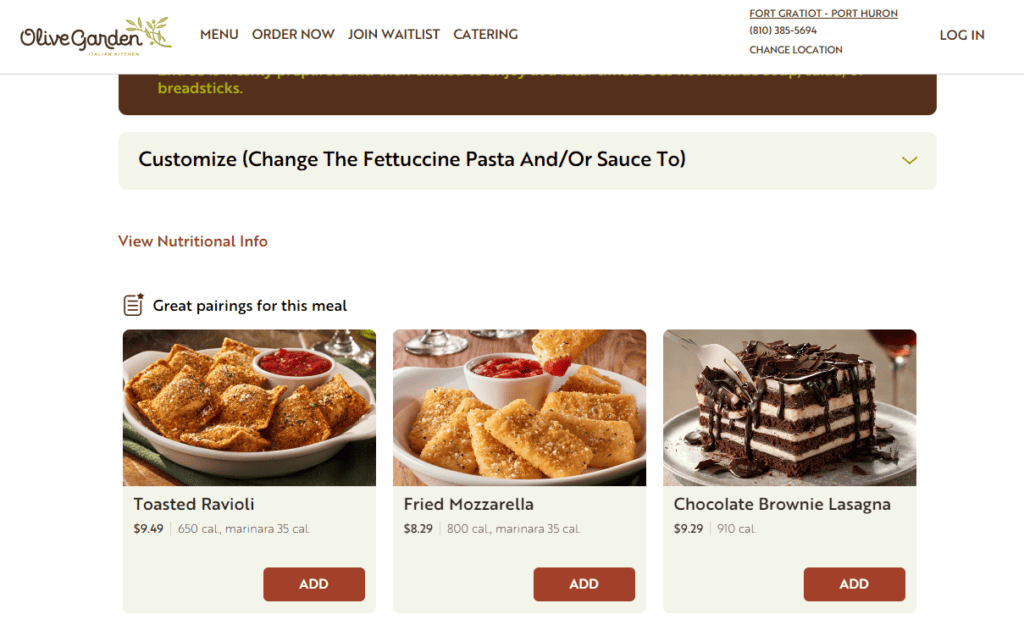
Step 4: Focus on your restaurant brand identity
Your brand identity is the heart and soul of your marketing plan. It’s what makes your restaurant unique and should be reflected in every piece of marketing you produce.
There is no checklist for building a strong brand identity, but several factors can impact how good of a reputation you build.
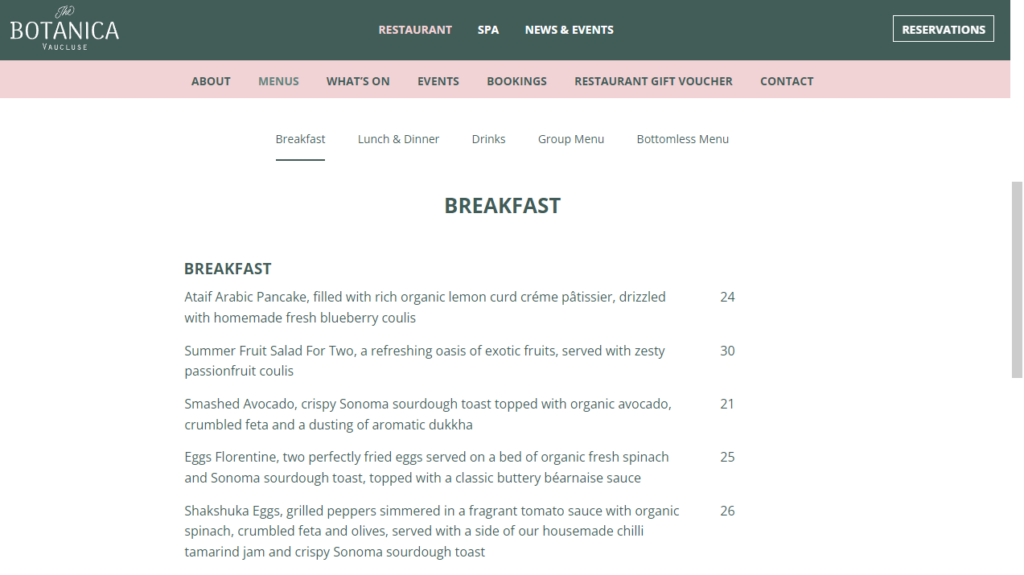
Defining your unique selling proposition (USP)
Your Unique Selling Proposition (USP) is the personal touch that sets your restaurant apart from competitors in your customers’ minds. It’s what makes your business unique and can be a deciding factor in influencing customer choices.
To define your USP, consider what you offer that others don’t – this could be a special dish, an exceptional dining experience, a unique location, or sustainable practices.
For example, a restaurant might focus on farm-to-table dining, offering fresh, local ingredients that competitors do not provide. Another might highlight an exceptional wine list or a historic dining environment.
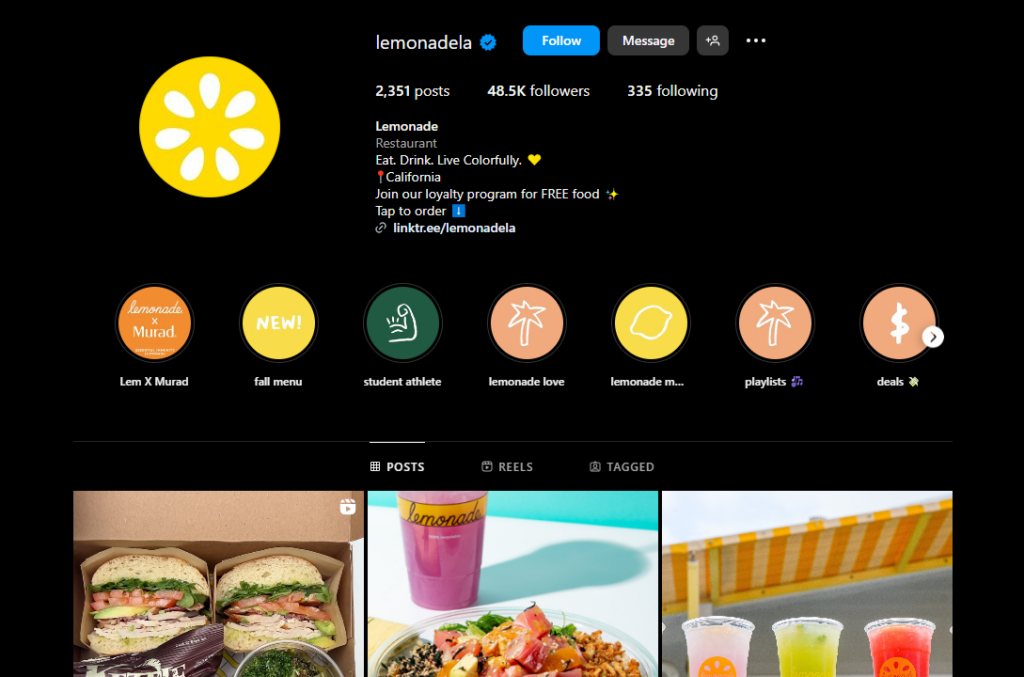
Create consistency across all marketing channels
Consistency across all marketing channels is key to building a strong, recognizable brand. This means your brand’s look, message, and customer experience should be cohesive. A customer interacting with your brand online, via social media, in print advertising, or in person should have a similar experience.
For example, if your restaurant is known for quick service, this should be evident not only in the dining room but also in how quickly you respond to online inquiries or feedback.
The tone of voice, aesthetic elements, and core messages should align across all platforms, from your website and social media to your physical menus and decor.

Crafting a memorable visual and verbal identity
Having a memorable visual and verbal identity is more than just a logo or a tagline. Visually, think of color schemes, typography, imagery, and the overall design style of your marketing materials and interior decor.
Verbally, think of the language you use in advertising, menus, staff communication, and even the style of your content on social media.
For example, a modern, hip restaurant might use bold, contemporary fonts and a cheeky tone in its communications. At the same time, a traditional, upscale one might choose a more classic font and a formal tone.
Your brand identity is the heart and soul of your marketing plan. It’s what makes your restaurant unique and should be reflected in every piece of marketing you produce.

Step 5: Outline your marketing strategies and choices
Choosing the right marketing tools is critical to reaching your defined goals. This section will cover various tactics you can adapt to fit your needs.
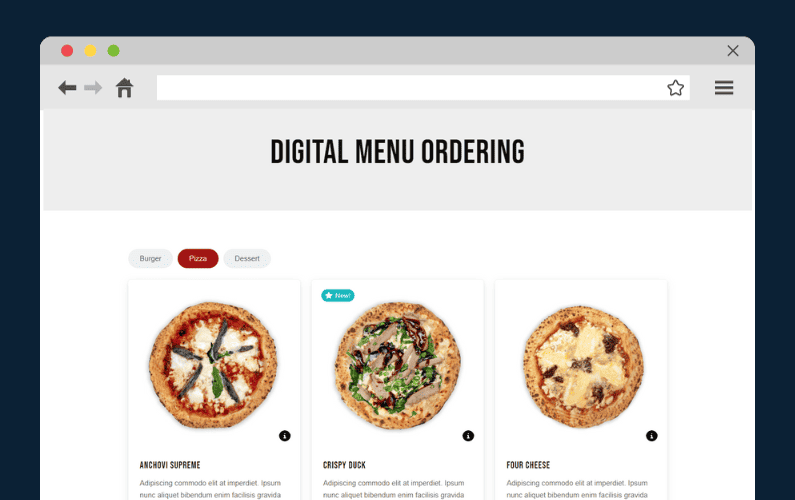
Include online ordering
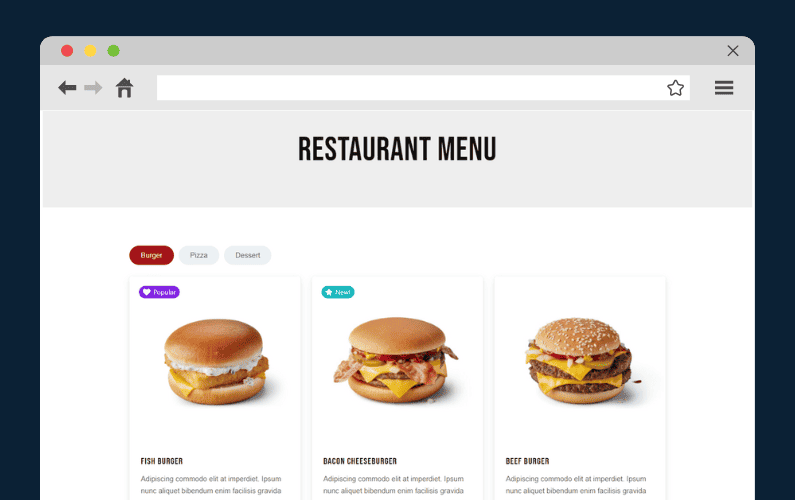
If you have a WordPress website, you’ll benefit tremendously from implementing an online ordering system, such as the WooCommerce plugin Orderable, which can make the customer’s experience much more enjoyable.
With Orderable, you can:
- Let your customers place orders directly from their smartphones or computers, reducing wait times and improving the efficiency of your operations.
- Integrate online ordering into your existing website to keep costs down and keep the customer experience within your branded ecosystem.
- Set up a delivery schedule and update customers with delivery notifications (via WhatsApp and text) to let them know when their order arrives.
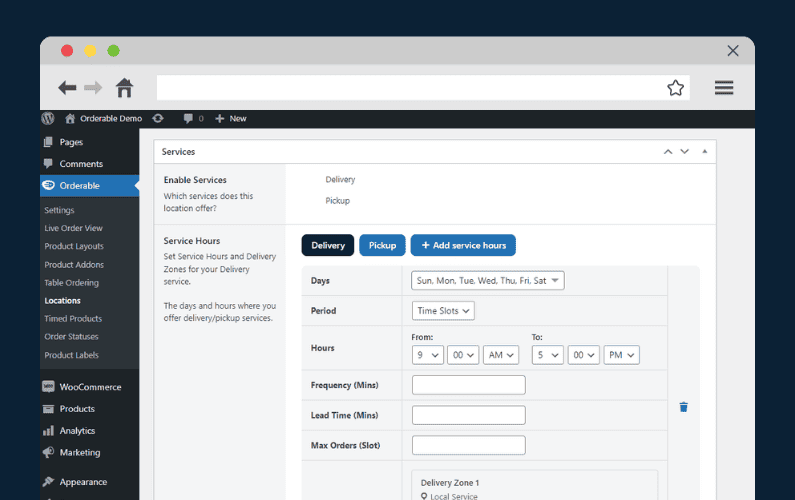
Some other amazing benefits come with it, such as:
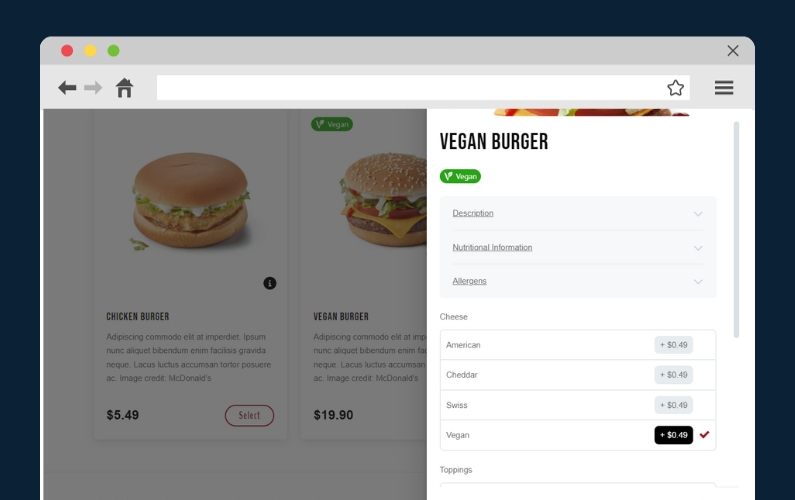
- Customizable product options. Customers can customize their orders exactly how they like them. Whether adding extra toppings to a pizza or choosing the dressing on their salad, Orderable allows for personalized selections.
- Real-time order management. Monitor and manage incoming orders in real-time from a single dashboard. This feature helps reduce the chance of order mishaps, ensuring a smoother service flow and happier customers.
- Setting up table ordering. You can generate QR codes for the customers dining at your restaurant. Customers can order at their own pace when ready, making the process efficient and seamless.
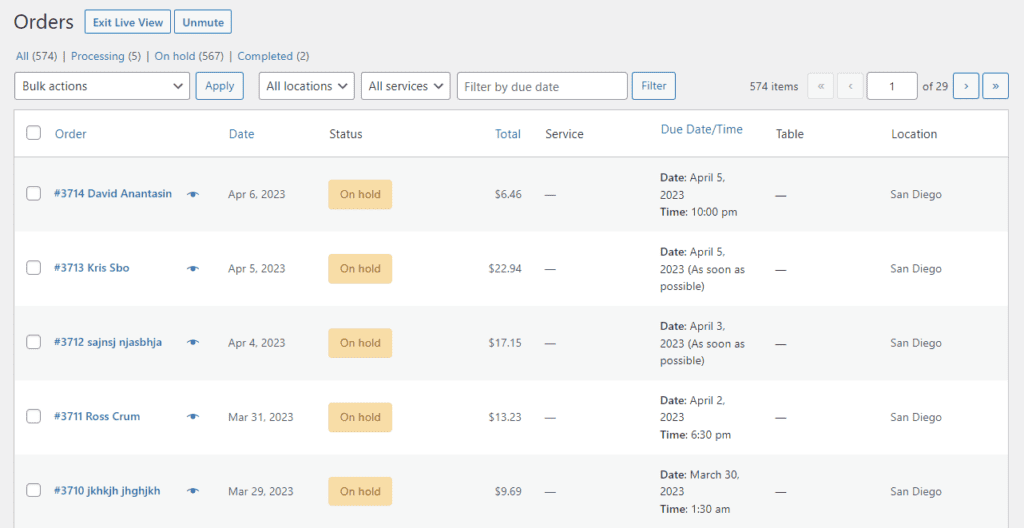
Not only will you give your customers a frictionless experience, but you’ll also benefit tremendously from having the Orderable plugin installed on your WordPress website. It will help you boost sales and improve conversions without any added fees.
Get Your Restaurant Business Online With Orderable
Orderable is a user-friendly WordPress plugin that adds online ordering to your restaurant website.
Add your dishes, create your online ordering menu, customize your delivery schedule, and manage orders with ease.
Email marketing – meet your customer in their inbox
Email marketing is still a powerful tool for connecting directly with customers. You can keep your restaurant at the top of your mind by creating personalized marketing campaigns with promotions, menu updates, and special event information.
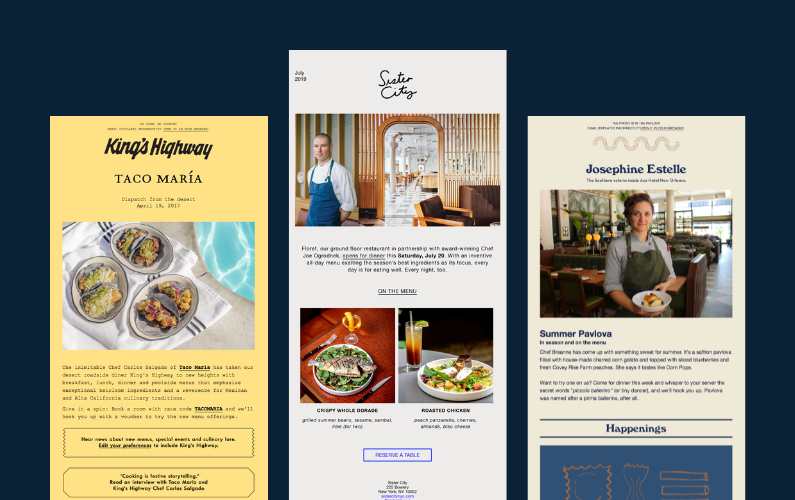
Segmenting your email list and personalizing your emails based on customer behavior and preferences can increase engagement and create loyal customers.
For example, sending birthday discounts, anniversary specials, or personalized menu recommendations can enhance customer loyalty and encourage repeat visits.
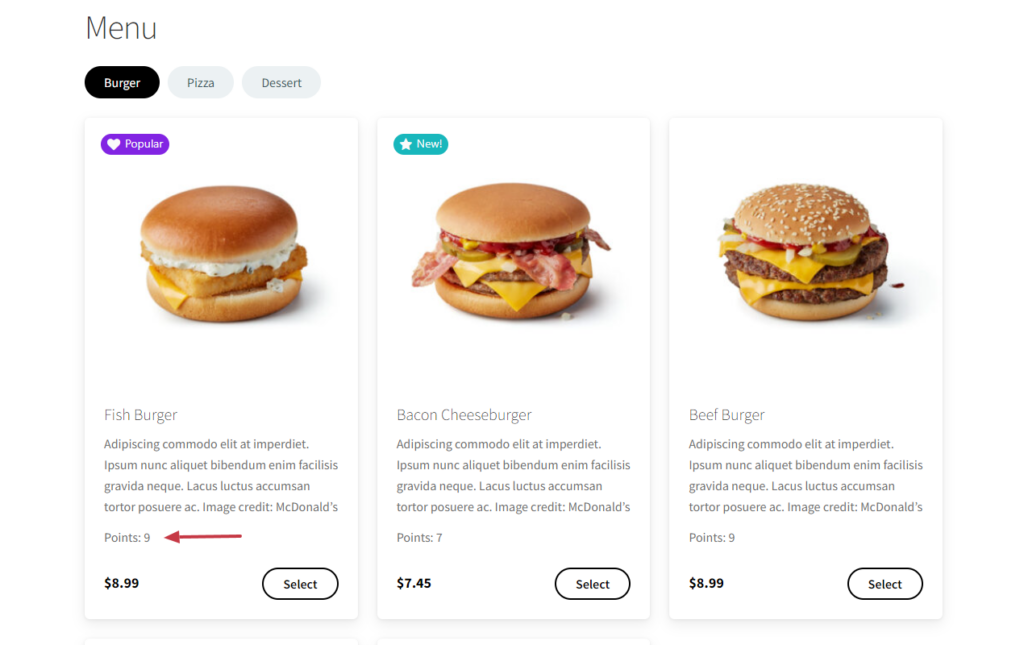
Loyalty programs – build customer loyalty and encourage repeat visits
Loyalty programs reward repeat customers and incentivize new customers to return.
Whether through a point system, discounts, special member-only events, or perks like free items on a customer’s anniversary, loyalty programs can significantly increase customer retention rates.
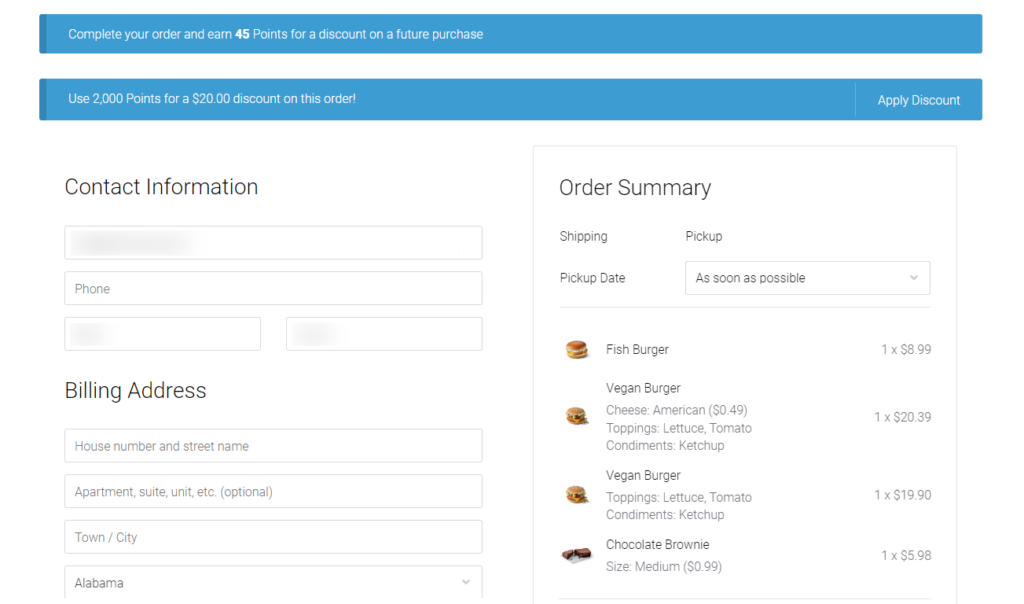
They can also provide valuable data about your ideal customer, which can help refine marketing strategies and menu offerings further.
👋 Want a more in-depth guide to help you build customer loyalty? Take a look at our restaurant customer loyalty guide.
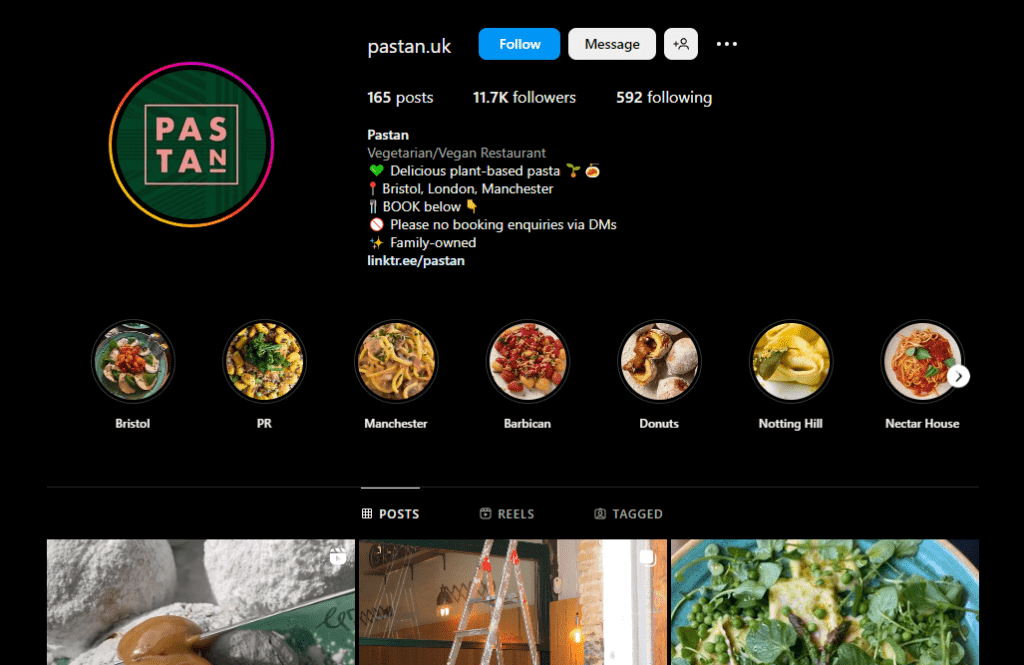
Social media marketing – connect and engage with customers online
Social media platforms (Facebook, TikTok, Twitter/X, or Instagram) are the places to connect and dynamically engage with customers. You can share daily specials, behind-the-scenes content, and user-generated content that showcases real customers enjoying their meals.
You can include interactive elements such as polls, quizzes, and contests to keep your audience engaged. Additionally, targeted ads on these platforms can help reach new potential customers based on specific demographics and interests.
Advertising – reach new customers through targeted ads
Targeted advertising can help you reach new customers more effectively than traditional advertising. You can target specific demographics, geographic areas, and interests using digital platforms like Facebook Ads or social media advertising.
For instance, you can target ads to food enthusiasts within a 10-mile radius of your location, potentially increasing foot traffic and brand awareness.
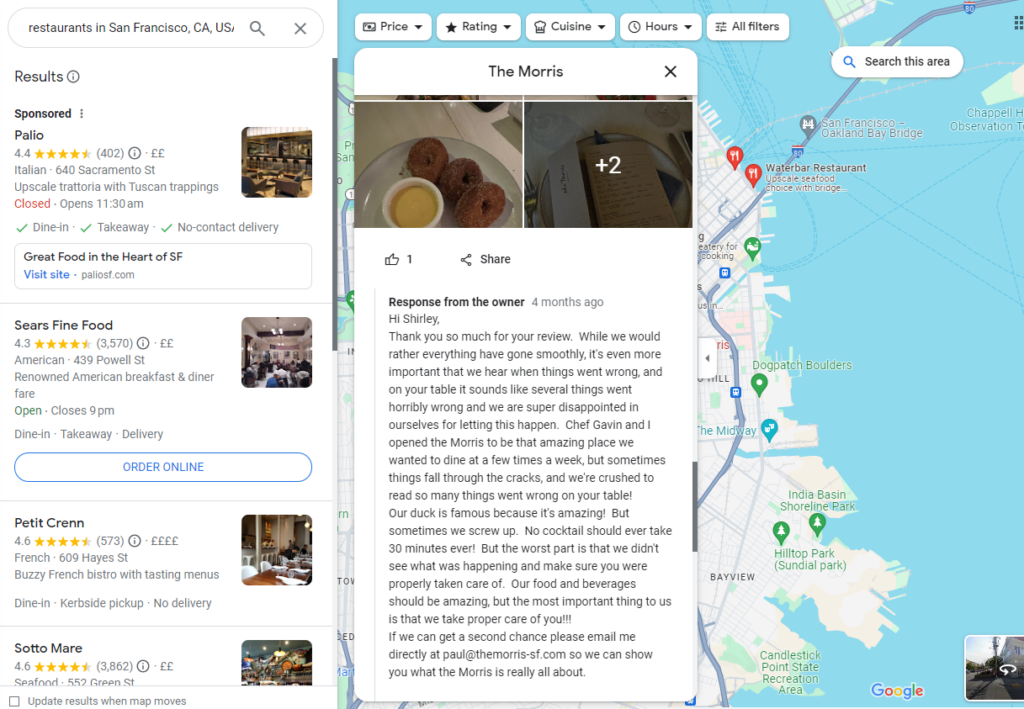
Online reviews and word-of-mouth – boost your reputation organically
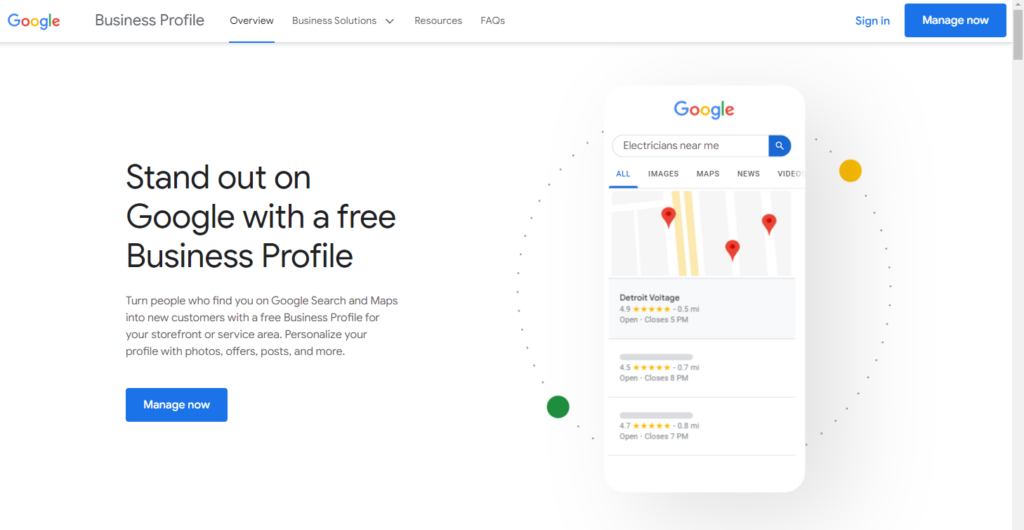
Online reviews and word-of-mouth recommendations are powerful ways to increase brand reputation in the restaurant industry. Encourage happy customers to leave positive reviews on platforms like Yelp, Google, and TripAdvisor to impact your restaurant’s online presence and credibility positively.
Digital marketing is here to stay, and using it to leverage satisfied customers can help amplify positive word-of-mouth.
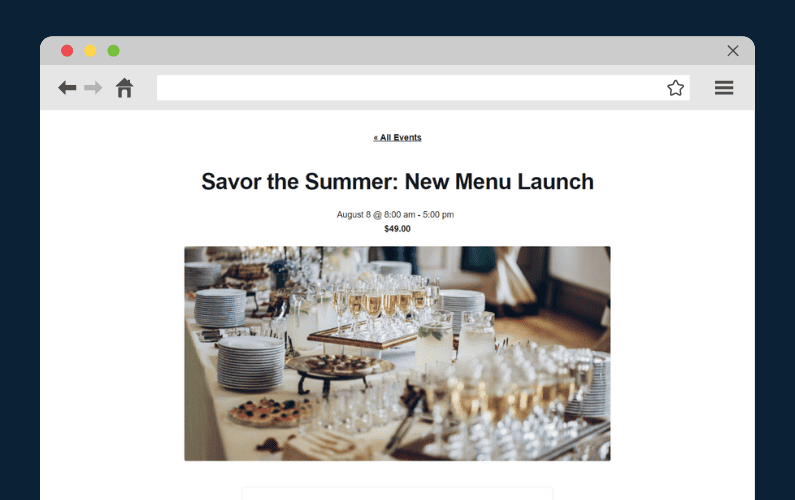
Local events and influencers – tap into local networks to expand your reach
Participating in local events and collaborating with local influencers can increase your restaurant’s visibility. Hosting or sponsoring community events, such as food festivals or charity fundraisers, can position your restaurant as a pillar in the community.
Collaborating with local influencers with their dedicated following can help introduce your restaurant to a broader audience. This approach not only broadens your reach but also enhances your local reputation.
💡 Want more in-depth tips to help with influencer marketing? Read our how to find and talk to restaurant influencers guide.
Each strategy should be considered based on its potential impact on your goals, target audience, and marketing budget.
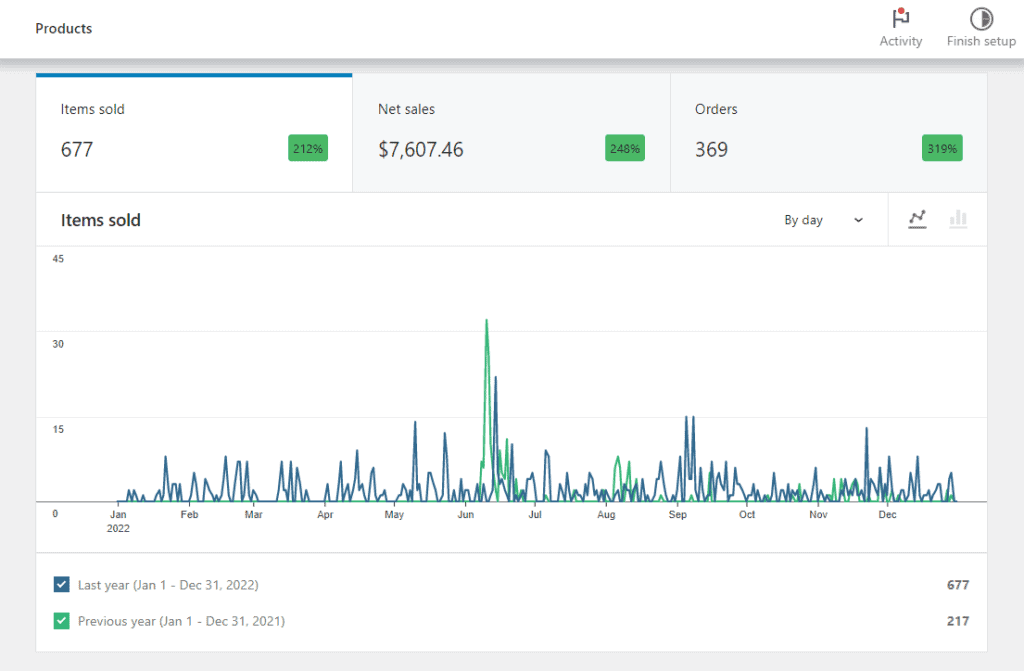
Step 6: Decide how you’ll monitor results
Establishing a system for monitoring and measuring the success of your marketing efforts is vital. This will ensure that you can continue to optimize and adjust your strategies based on performance.
Tracking Key Performance Indicators (KPIs)
Tracking Key Performance Indicators (KPIs) is crucial for measuring the success of your restaurant’s operations and marketing strategies. KPIs provide hard metrics to help you understand how well your restaurant achieves its objectives.
Common restaurant KPIs include daily sales, table turnover rates, average revenue per customer, and customer satisfaction scores. Additional marketing-specific KPIs might include the number of reservations made online, engagement rates on social media, and the effectiveness of promotional campaigns.
By regularly monitoring these, you can make smart decisions based on data to improve performance, optimize operations, and improve customer satisfaction.
Utilizing analytics tools
Utilizing analytics tools is important for gathering insights and understanding the impact of your business strategies. Tools like Google Analytics, social media insights, and specialized restaurant management software can provide detailed data on website traffic, customer engagement, and efficiency.
For example, Google Analytics can help you track how customers interact with your restaurant’s website and identify which pages or promotions drive the most interest. Similarly, social media platforms offer analytics showing which posts generate the most engagement.
Using these tools, you can measure the effectiveness of different marketing tactics and adjust your strategies based on what resonates most with your audience.
By monitoring your results, you can make informed decisions that keep your marketing efforts on track toward achieving your objectives.
Put together your restaurant marketing plan today
After reading this article, you should have a better idea of how to put together a restaurant marketing plan. The knowledge and tools you need to create a robust restaurant marketing plan are at your fingertips, and it is up to you to execute them.
From defining your goals and understanding your audience to choosing effective strategies and measuring their success, each step is designed to help you maximize your restaurant’s potential.
Implement these strategies today and see the difference they can make in your business’s growth and success. Don’t forget to download Orderable to fully optimize your online ordering system as part of your marketing efforts and to boost your sales.
Get Your Restaurant Business Online With Orderable
Orderable is a user-friendly WordPress plugin that adds online ordering to your restaurant website.
Add your dishes, create your online ordering menu, customize your delivery schedule, and manage orders with ease.
Roxana Alexandru is a self-employed instructional designer and content creator specializing in corporate training, e-learning, technical articles, and scripting. She has over a decade of experience working in multiple industries, such as Finance, IT, and product management, to name a few, which gives her a unique perspective on content creation. She has also written extensively on being an introvert, with many articles featured on Introvert, Dear. She is passionate about self-help, personal growth, and seeing life through various lenses. When she’s not thinking about writing, she’s venturing outside with her two kids and husband, often traveling to new places.
Don’t miss out on the latest Orderable news!
Sign up for our newsletter to receive the latest news from the blog, you’ll get pinged every week with a digest of the latest updates.
[fluentform id=”6″]

Related Articles
How to Increase Restaurant Sales in 2026

Introducing Orderable Multi-Vendor Compatibility
8 Important Restaurant KPIs to Track in 2026
Get Your Restaurant Online With Orderable
The WooCommerce plugin designed to help restaurants take orders online – with no added fees!
View Pricing